Public affairs and political communications consultant. Speech-writer. Former Irish Govt Adviser (2004-10). Occasional columnist and commentator: Broadsheet.ie, RTÉ.
You do really have to wonder if the Taoiseach and Tánaiste understand politics at all?
Their immediate and absolute refusal to accede to calls for a mid-point review of the Programme for Government, coming from senior representatives in their two parties, is an example of this.
What is so wrong with agreeing to a mid-point review, a political stock-take, of the programme so painstaking negotiated back in June 2020?
Why shouldn’t the moment at which the two leaders switch roles also involve an appraisal of how effective this government has been at implementing the lengthy programme announced just over two years ago?
Earlier this week, An Taoiseach Micheál Martin, accompanied by ministers Simon Coveney and Eamon Ryan headed to McKee barracks, beside the Phoenix Park, to launch the overdue and long anticipated government’s action plan response to the Report of the Commission on the Defence Forces, entitled: “Building for the future – change from within.”
It is a good document. It commits the government to moving the State’s level of defence capability to Level of Ambition 2 (LOA) over a period of six years between now and 2028. In terms of cash and people, this means growing the annual Defence budget to €1.5 billion by 2028 (in 2022 prices) plus expanding the defence establishment by 2,000 personnel (civil and military).
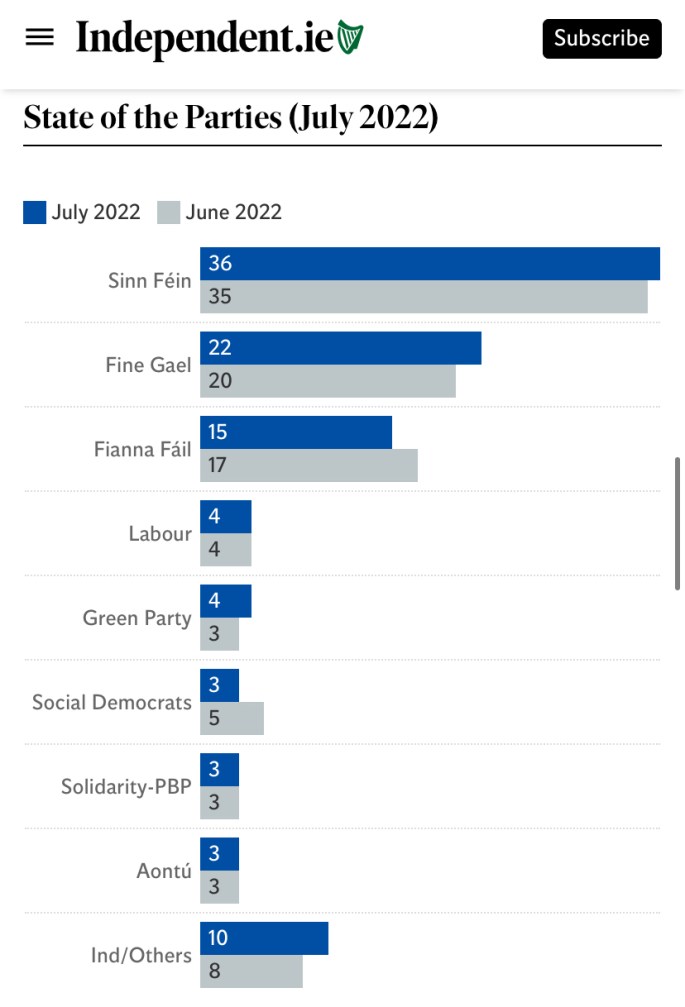
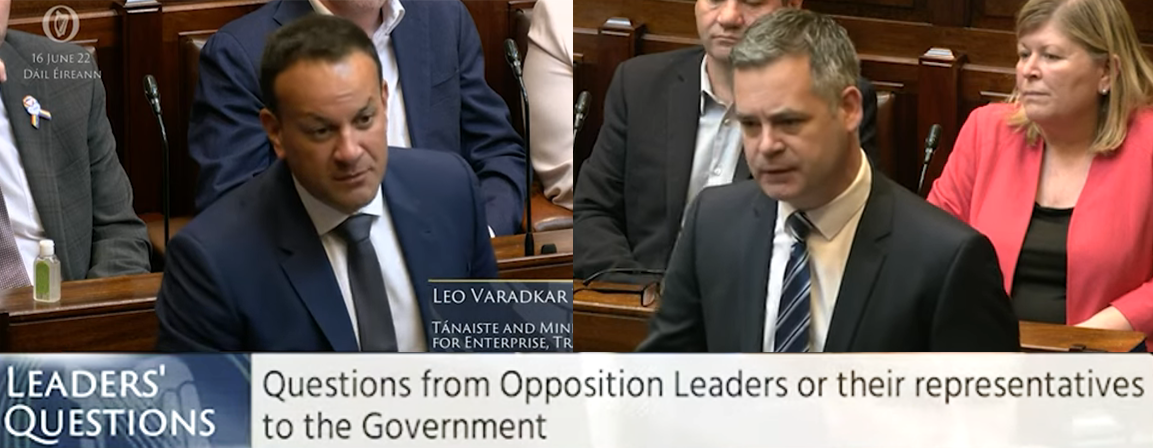
In this week’s opinion piece I look at what I term the appalling vista: the prospect of a decade of Irish politics dominated by Fine gael versus Sinn Féin. We had a worrying glimpse of what it may look and sound like when Tánaiste Leo Varadkar, T.D., and Sinn Féin finance spokesperson Pearse Doherty, T.D. clashed during Leaders’ Questions, last week. It was unedifying for all except the most passionate shinner and blueshirt partisans.
An appalling vista. The phrase most infamously comes from Lord Tom Denning’s odious dismissal of the Birmingham Six’s 1980 appeal against their wrongful conviction.
Denning was so firm a fixture of the British establishment that he refused to entertain the possibility that the West Midlands police had lied and framed six innocent Irishmen, declaring that:
…it would mean that the police were guilty of perjury; that they were guilty of violence and threats; that the confessions were involuntary and improperly admitted in evidence; and that the convictions were erroneous… That was such an appalling vista that every sensible person would say, “It cannot be right that these actions [the appeal] should go any further.
And so, Lord Justice Denning compounded the injustice being suffered by the Birmingham Six and dismissed their appeal.
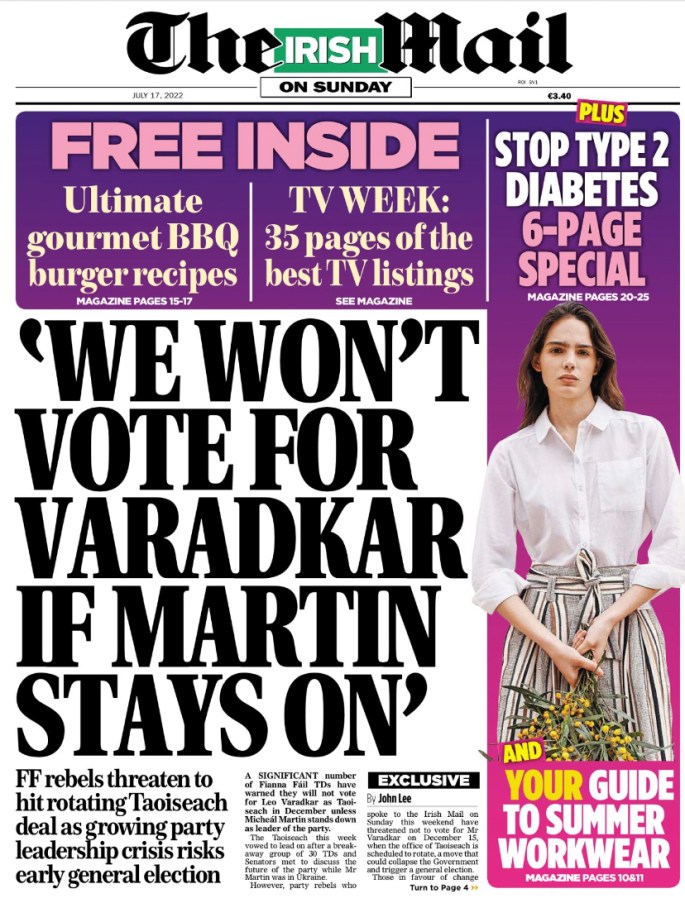
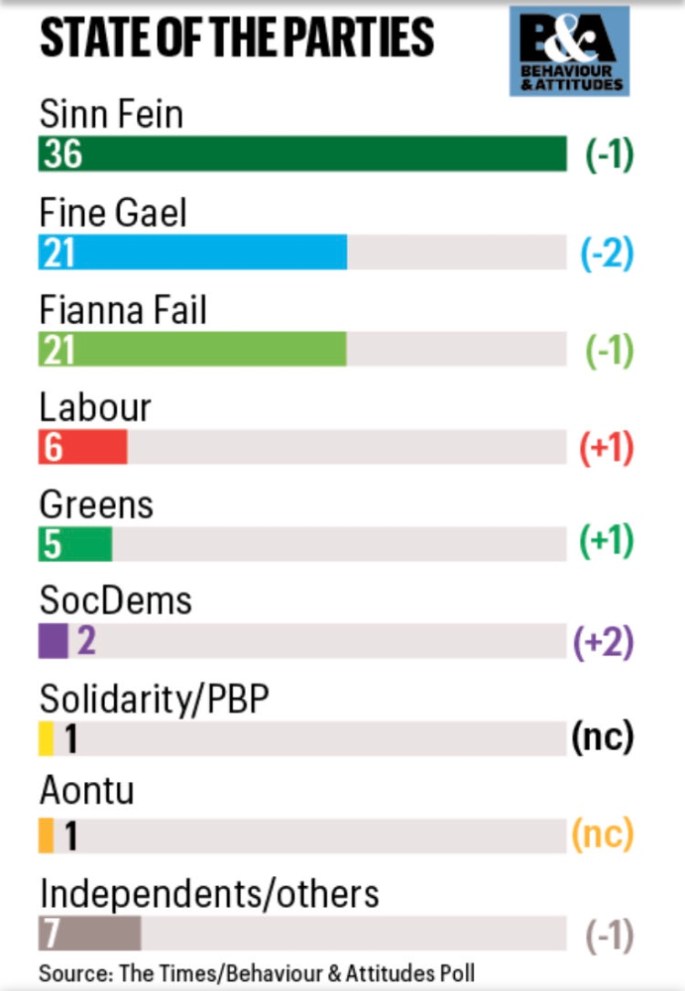
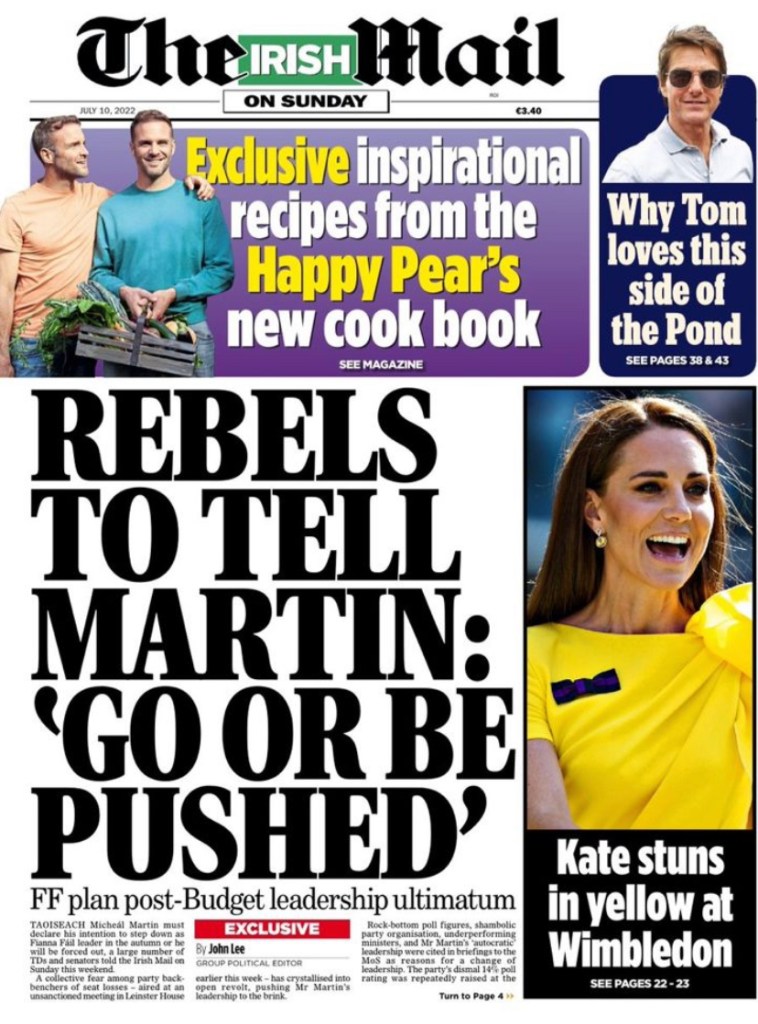
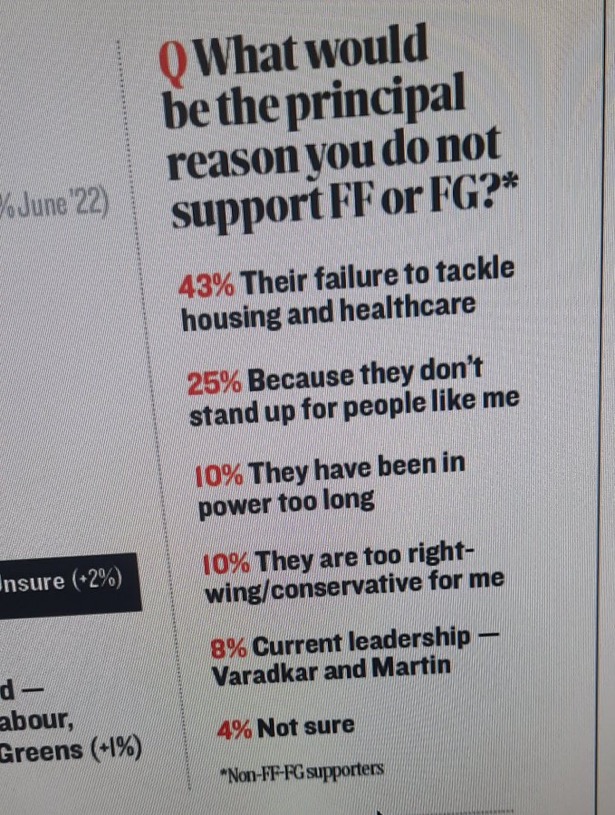
A year ago we were told by those close to the Fianna Fáil leader that the persistantly poor poll numbers were due to disunity and sniping at the leader. So why… after 10 months of back benchers holding their tongues…. are the party’s poll figures still stuck in the mid to high teens? The party fared disastrously in Feb 2020…. but that figure now looks like a long distant high water mark.
Orson Welles as Harry Lime – Switzerland had 500 years of brotherly love and peace. And what did that produce? The cuckoo clock.
Exactly two years ago, on June 15th 2020 in a column entitled Better Never Than Late, I stated that there were then three absolute truths for Fianna Fáil. Truths that highlighted how misguided the leadership’s strategy of putting Fine Gael back into government was as it ignored the reality that that Fianna Fáil had options and leverage.
I revisited those three truths several times in both late 2020 and early 2021, but it has occurred to me that I have not examined them again lately.










 derekmooney.ie