
Here are my comments during last Tuesday night’s panel discussion about the turmoil within Fianna Fáil. You can also watch the full 20 minute discussion here
Tag: Fianna Fáil
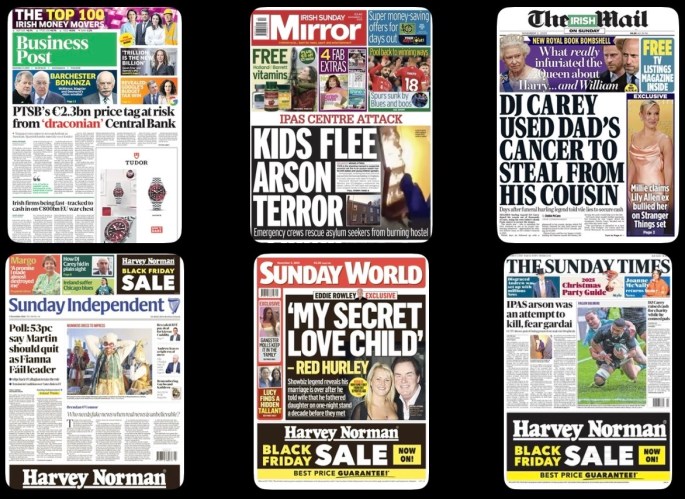
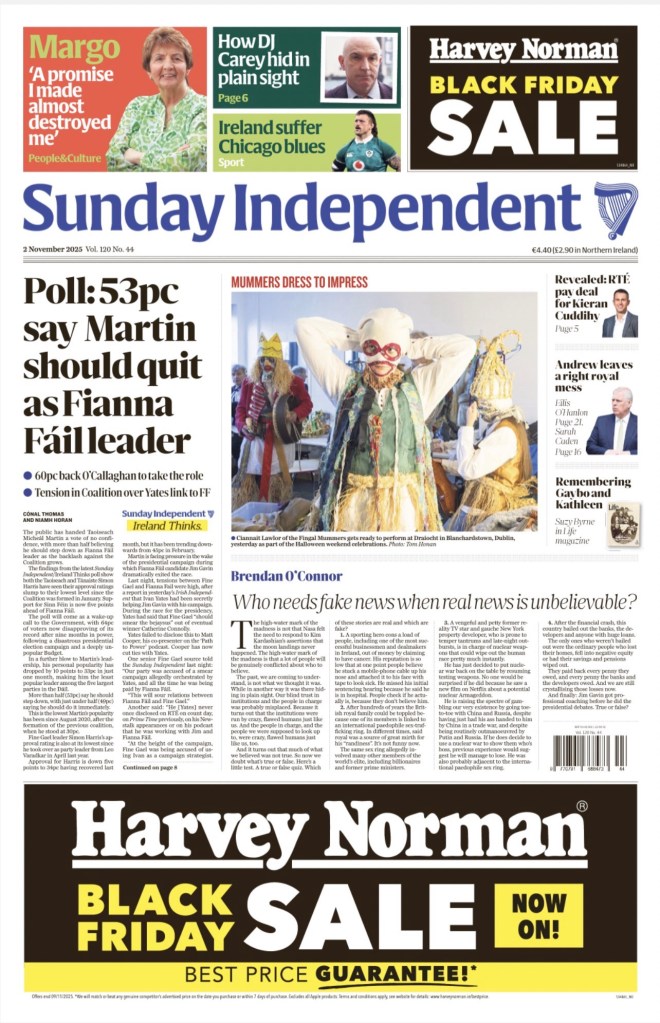
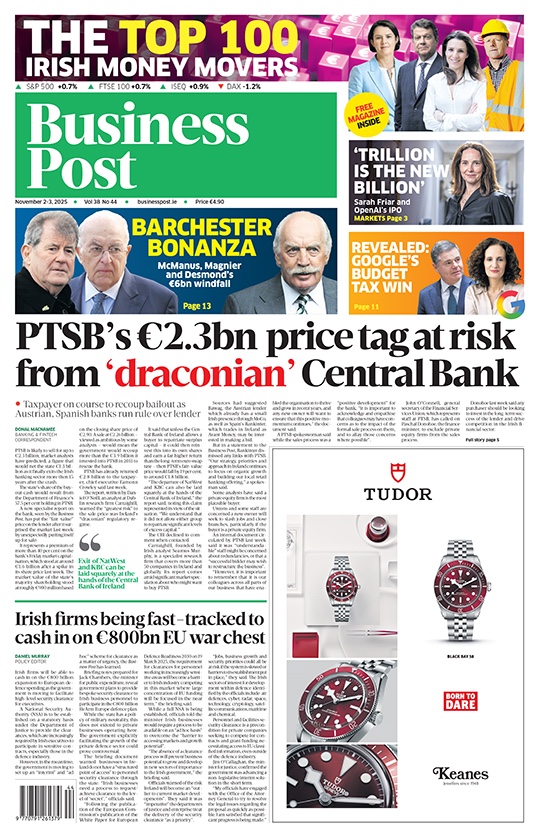
Irish Sunday newspaper #frontpages – Nov 2 [Updated]
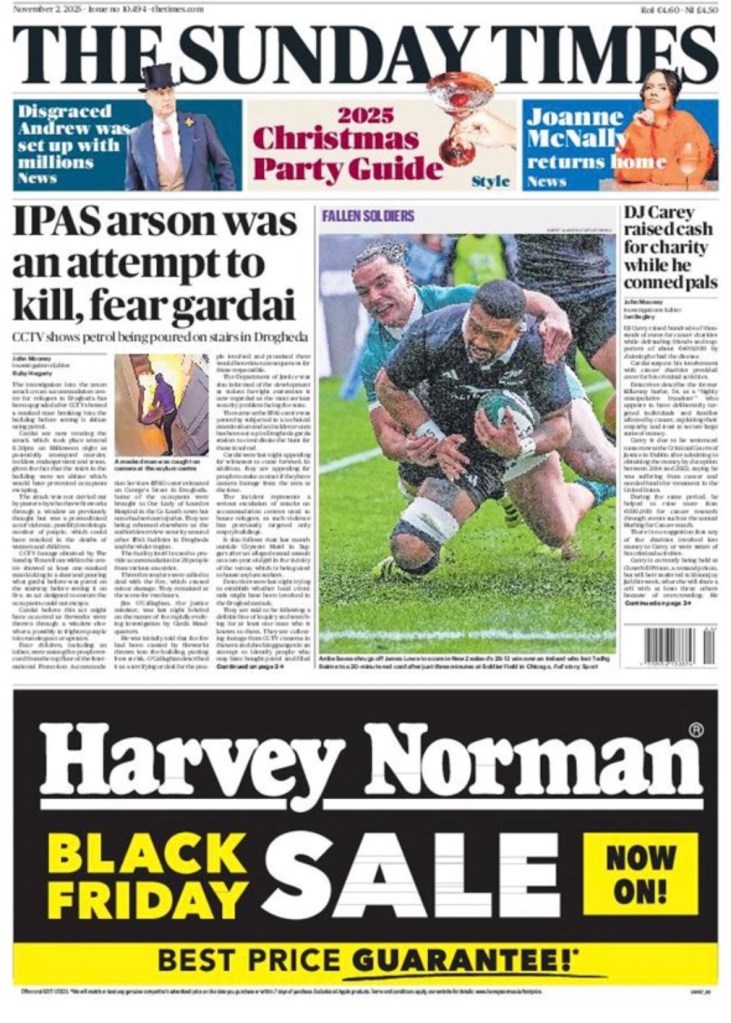

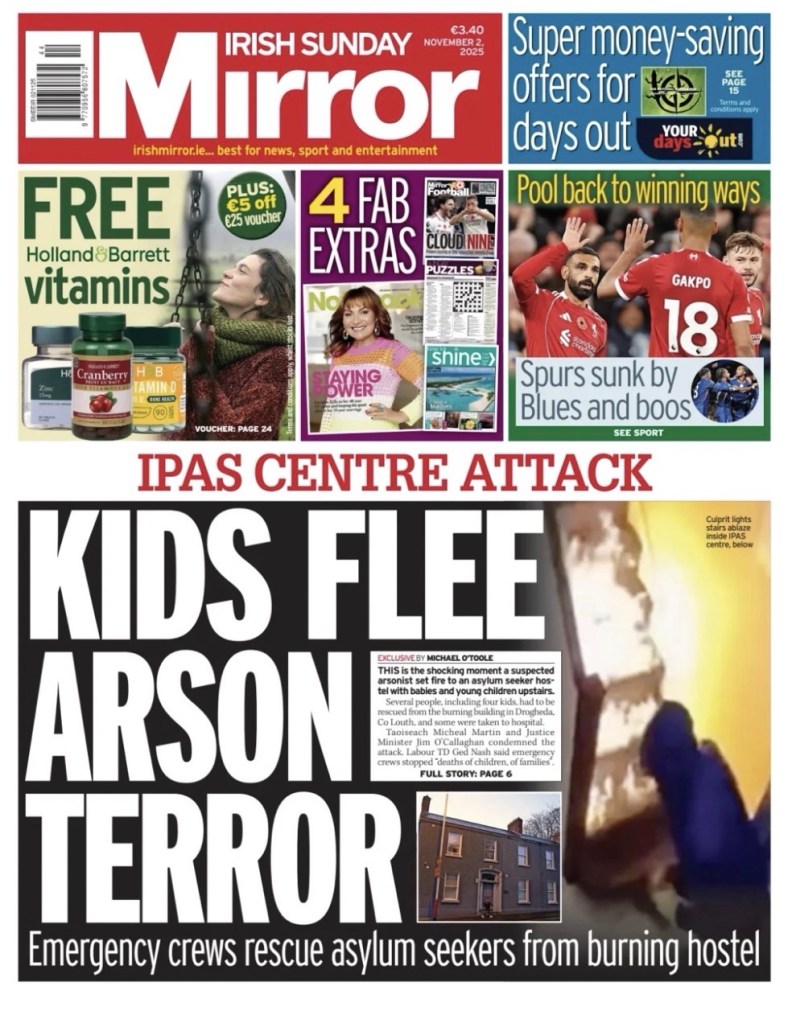
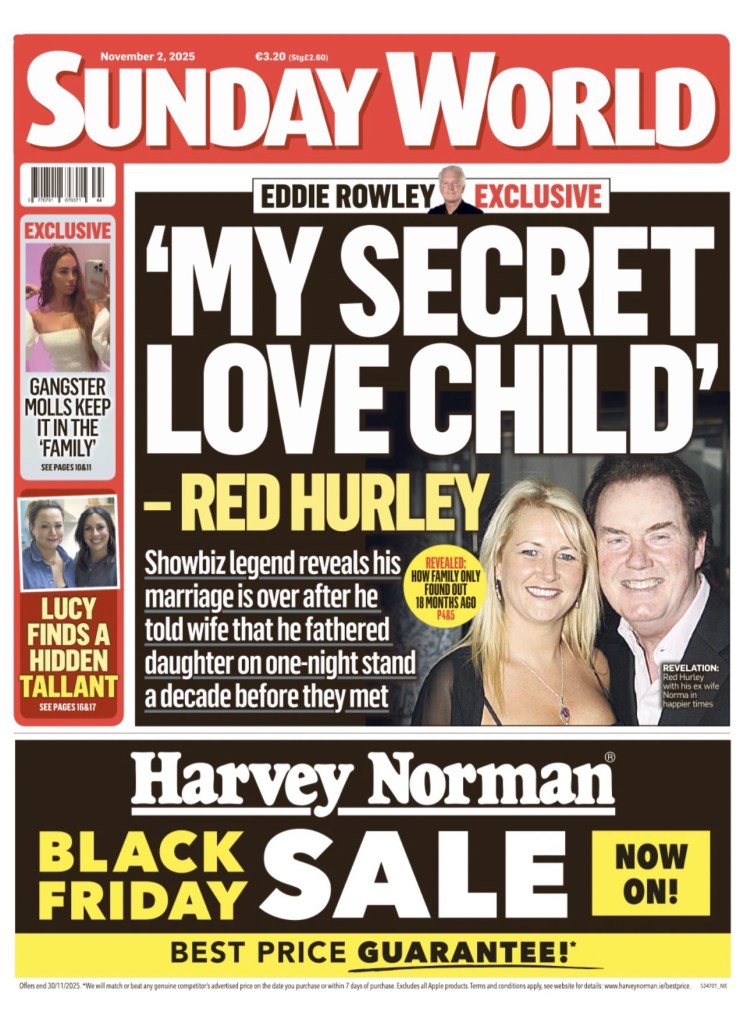
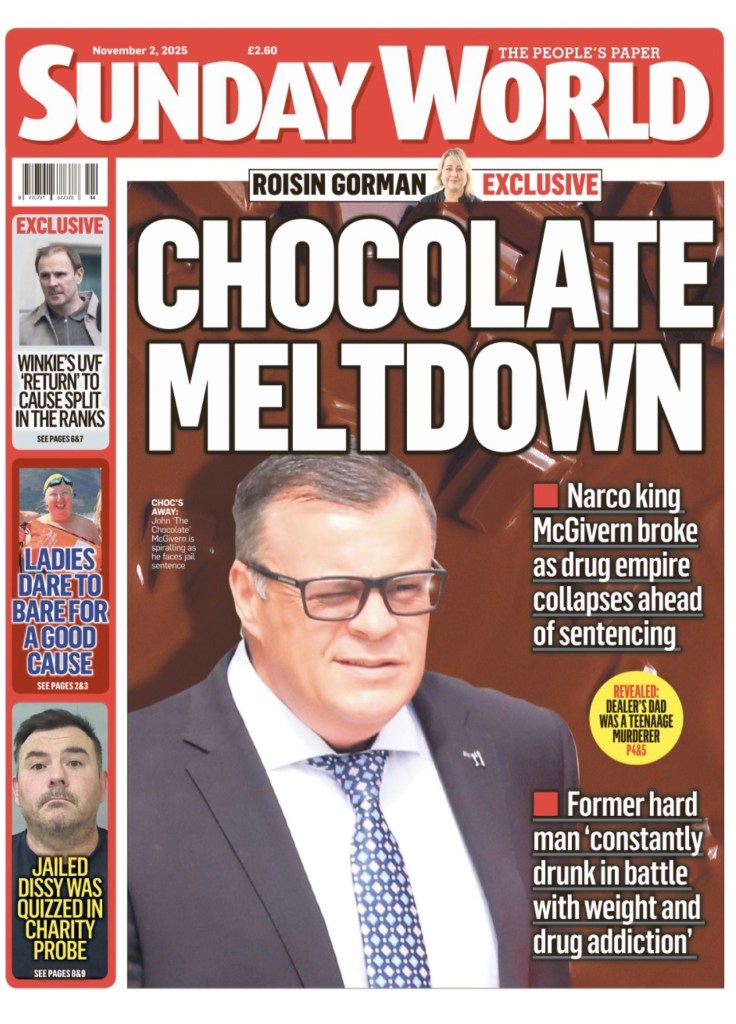
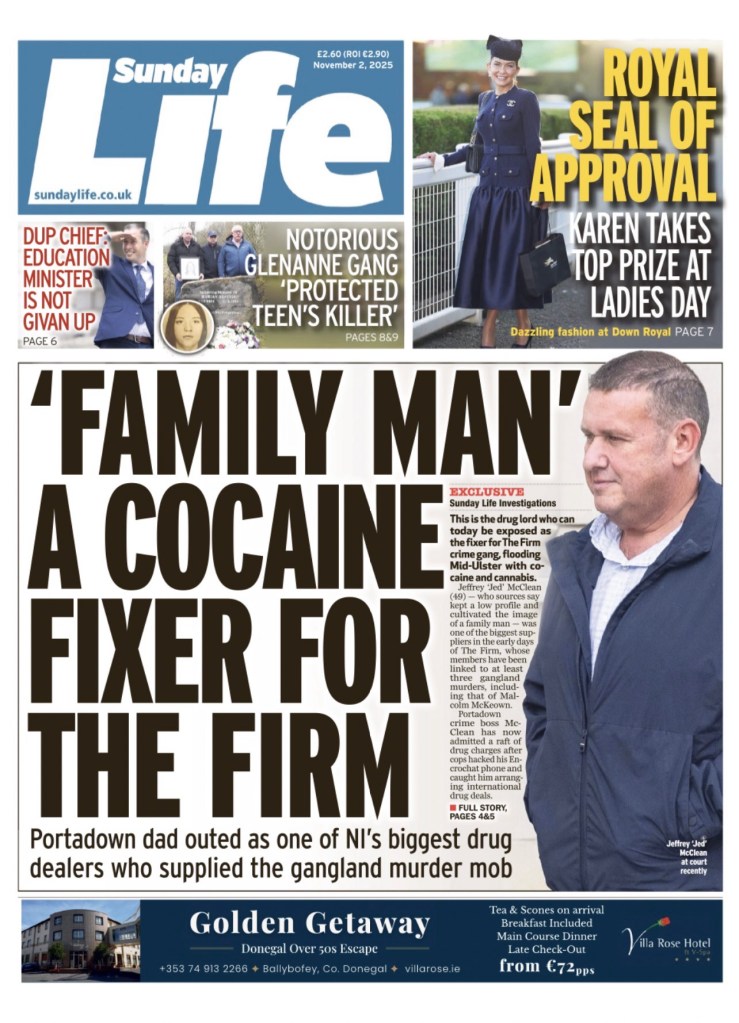
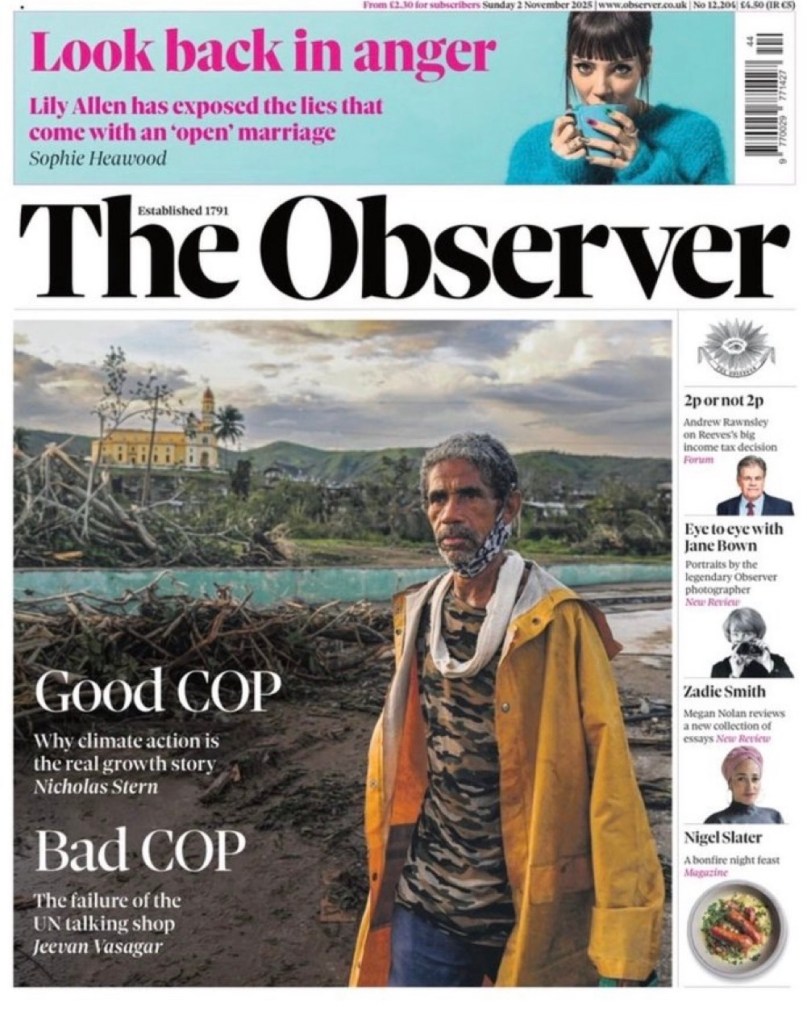

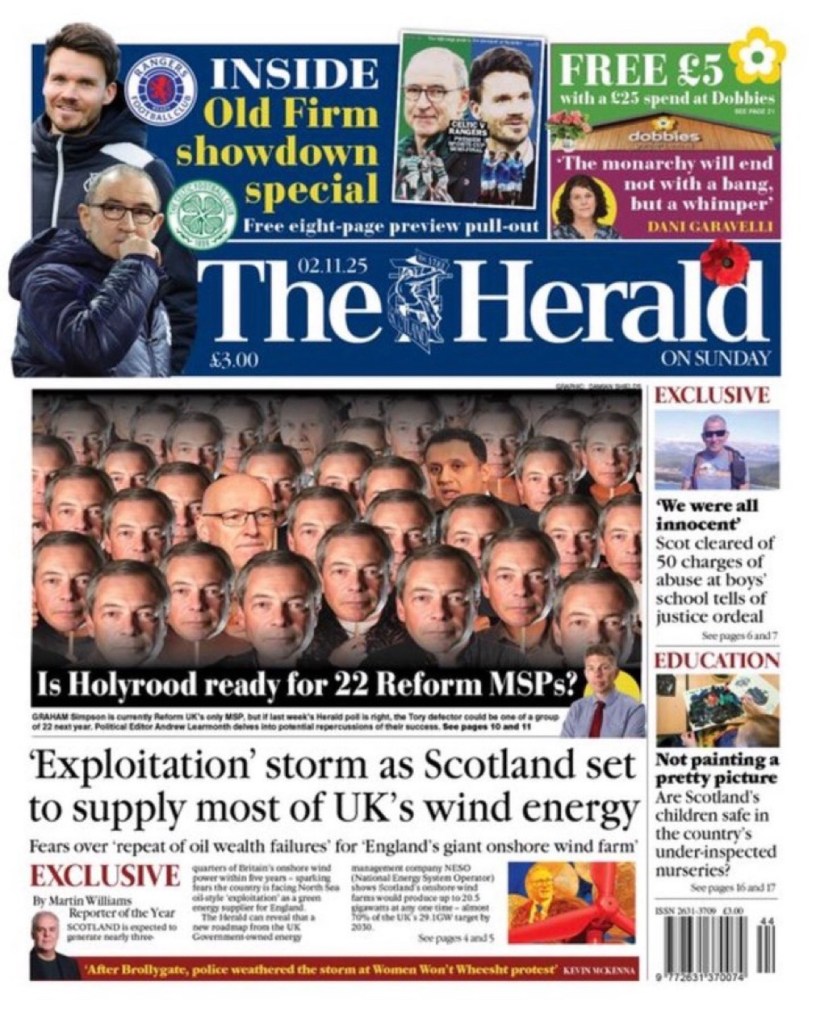

Derek responds to @LeoVaradkar criticism of Taoiseach @MicheálMartinTD
Here is a slightly edited (i.e. condensed) clip of my appearance on the BBC Radio Ulster Talkback show where I joined Aoife Moore, Gregory Campbell MP and DUP founder Wallace Thompson to discuss comments made by former Taoiseach Leo Varadkar on the BBC’s Borderland podcast where he said that the current Irish government was guilty of putting up an “artificial barrier” to a referendum on a united Ireland.
As reported on the BBC NI website, Varadkar asserts that Taoiseach Micheál Martin is not prepared to push forward with work on preparing for unity until there was “total reconciliation” across the island – something which his predecessor said may never be possible. “This is where I differ with Micheál Martin,” said Leo Varadkar.
Though I disagree with Micheál Martin on many issues and quit Fianna Fáil in 2020 because of irreconcilable disagreements on several political issues, including Martin’s approach to unity and Northern Ireland, I think Varadkar’s criticism goes far too far and is
I was on @RTEDrivetime on Tuesday
I appeared on the RTÉ Radio One Drivetime show on saturday to discuss the decision of the Fianna Fáil parliamentary party to select Jim Gavin as it’s Irish presidential election candidate
Check out my latest #MooneyOnPolitics #podcast… on #aras2025 and college fees row
Here are the key messages from the “Mooney on Politics – A cigar is just a cigar” podcast episode:
- Presidential Election Uncertainty: The outcome of the upcoming Irish presidential election is highly uncertain. Only Fine Gael, Fianna Fáil, and Sinn Féin have the resources and parliamentary numbers to nominate a candidate directly, but none have a clear or confident strategy in place.
- Fine Gael’s Strategic Risks: Fine Gael appears set on nominating Mairead McGuinness, but delaying the announcement until September is seen as a strategic mistake. This delay could allow fringe candidates to dominate the narrative and create momentum outside the main parties.
- Fianna Fáil’s Identity Crisis: There is strong internal pressure within Fianna Fáil to run a candidate, but party leadership seems reluctant, possibly preferring to back an independent. This reluctance is criticized as a lack of political nerve and clarity about the party’s purpose.
- Sinn Féin’s Dilemma: Sinn Féin wants to contest the presidency but fears the impact of another electoral setback after recent disappointments. The party is considering a “left unity” candidate with other progressive parties, but this carries its own risks and complications.
- Micheál Martin Not Running: The notion that Taoiseach Micheál Martin might run for president is dismissed outright. When he says he’s not interested, he means it—there’s no hidden agenda, echoing the phrase “sometimes a cigar is just a cigar.”
- Potential for a Centre or Centre-Left Candidate: There is speculation that a dynamic, younger candidate from the centre or centre-left (possibly backed by Labour, Social Democrats, Greens, or independents) could capture the public mood and win, especially as government satisfaction is declining.
- Generational Change: There is perceived public appetite for a younger, more media-savvy president who better reflects modern Ireland, though age alone is not decisive.
- Government Incoherence and College Fees Row: The recent controversy over third-level college fees exposes deep incoherence within the government, particularly between Simon Harris and other ministers. Public disagreements and policy freelancing are seen as symptomatic of a government losing cohesion and direction.
- Risk of Government Collapse: The government’s internal dysfunction and lack of unified decision-making could lead to its collapse before the end of its term, especially if backbenchers lose confidence in their prospects.
- Impact of External Factors: Issues such as potential US trade tariffs and economic pressures are looming, adding to the sense of instability and the need for sustainable fiscal planning.
- Presidential Election as a Political Barometer: The upcoming presidential campaign is likely to be more consequential than previous ones, potentially reshaping the political landscape and exposing the strengths and weaknesses of the main parties.
- Call for Engagement: The episode ends with an invitation for listeners to suggest political books for a forthcoming summer reading list podcast.
These points capture the podcast’s analysis of party strategies, leadership dilemmas, government instability, and the broader political context as Ireland approaches a pivotal presidential election
Shouting Match or Democracy… the Dáil Speaking Time Row
This article is an accompaniment to my recent Podcast episode entitled: “Shouting match or democracy? Dáil speaking time furore”. In this article I expand on some of my comments in the podcast, focusing on Sinn Féin’s tactics. I suggest that the aggressive approach to this issue from the Shinners stems from its comfort in being in situations of crisis and chaos and further add that this all stems from Sinn Féin struggling to reclaim some pre-eminence in Irish politics after its false dawn at the last general election
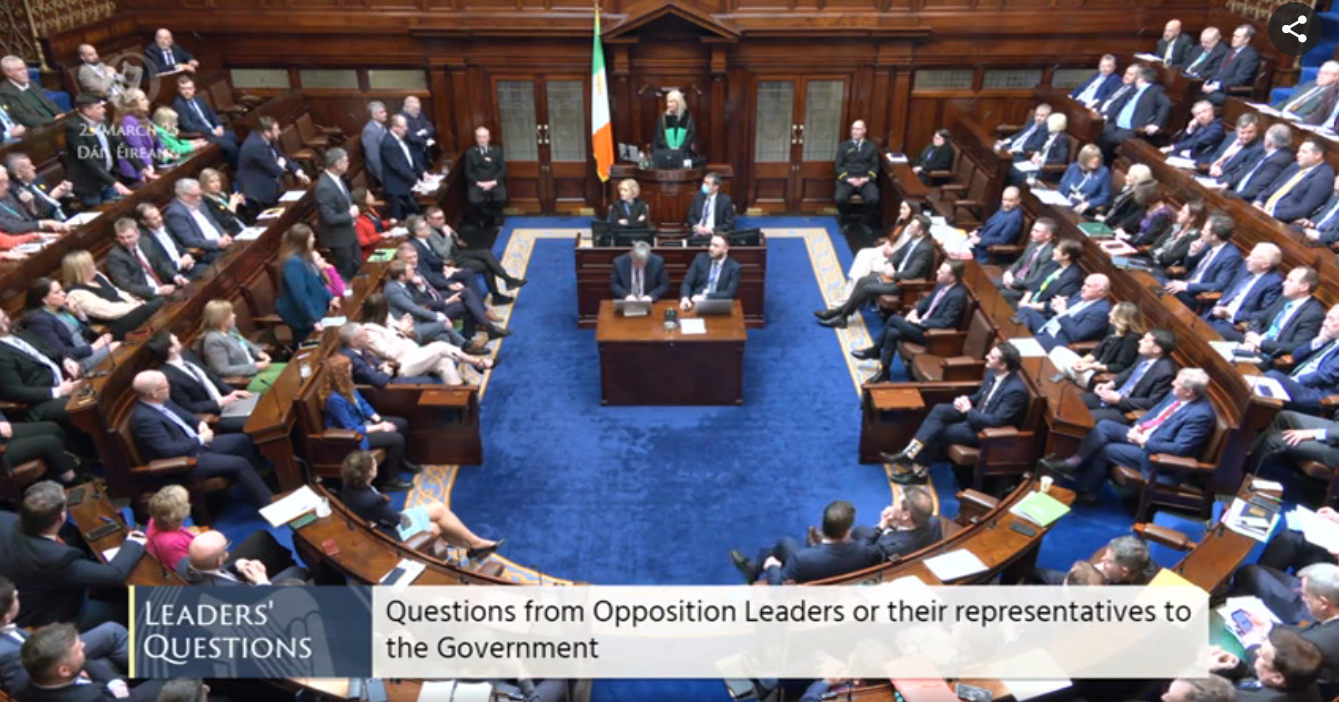
One of the soundest political lessons I even heard came from the late, great Ben Briscoe. It was back in the late 1990s now, not long before my disastrous 1999 local election run.
It happened in Leinster House. I was there to meet up with Ben before attending a public meeting with him in Crumlin, at 8.00pm. We met in Ben’s office on the 4th floor of the five Storey block, and after a short chat we headed down to his car, which was parked at the back of Leinster lawn.
As we turned to exit Leinster House, Ben looked up to the live Dail Chamber monitor to a colleague from another party speaking in a debate. Ben nudged me and jokingly said, “ah, there he is, talking his way out of this place again.
This is just a story. An anecdote. It’s not a deep piece of political philosophy. But it still makes a point. The amount of time one speaks in the Dáil, doesn’t equate to getting things done.
If anything, it’s the opposite. Continue reading “Shouting Match or Democracy… the Dáil Speaking Time Row”
Irish Sunday newspaper #frontpages for Nov 24th [Updated] #GE24
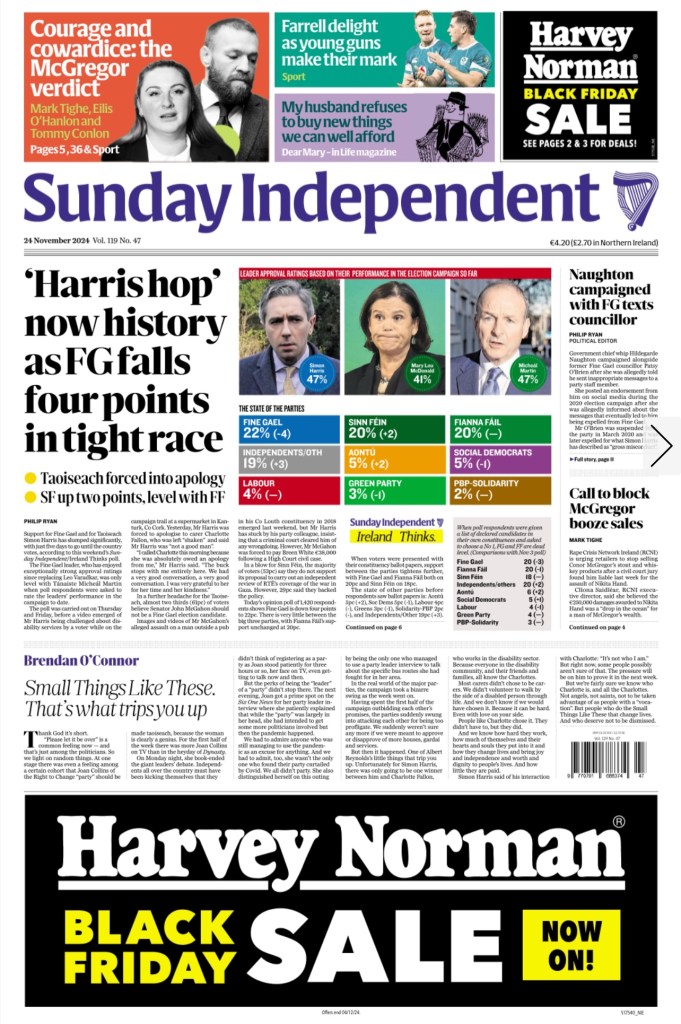
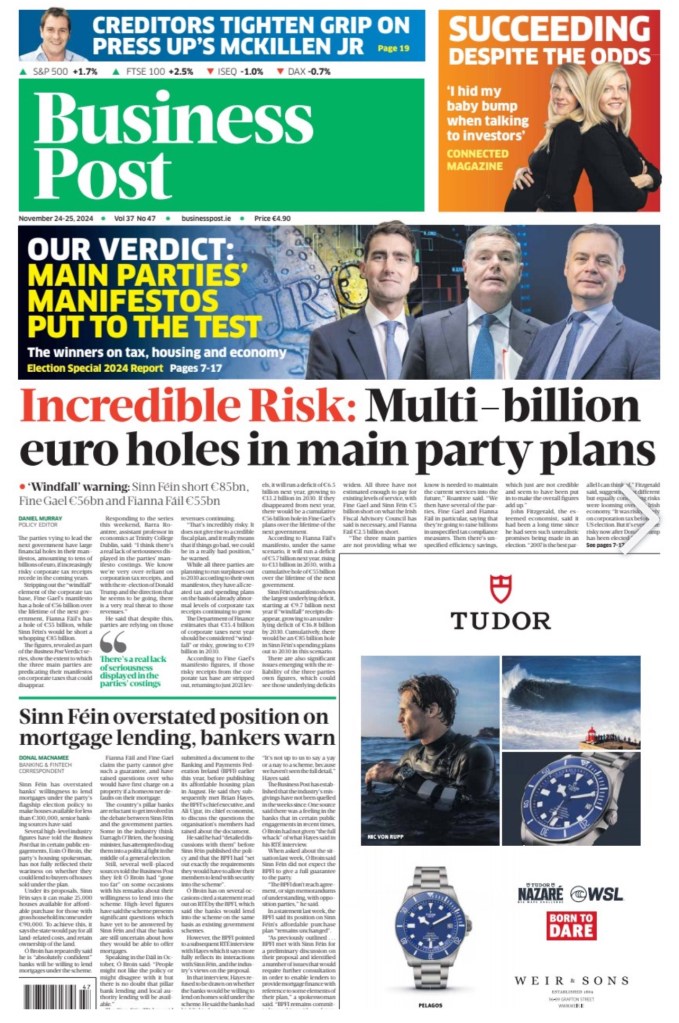
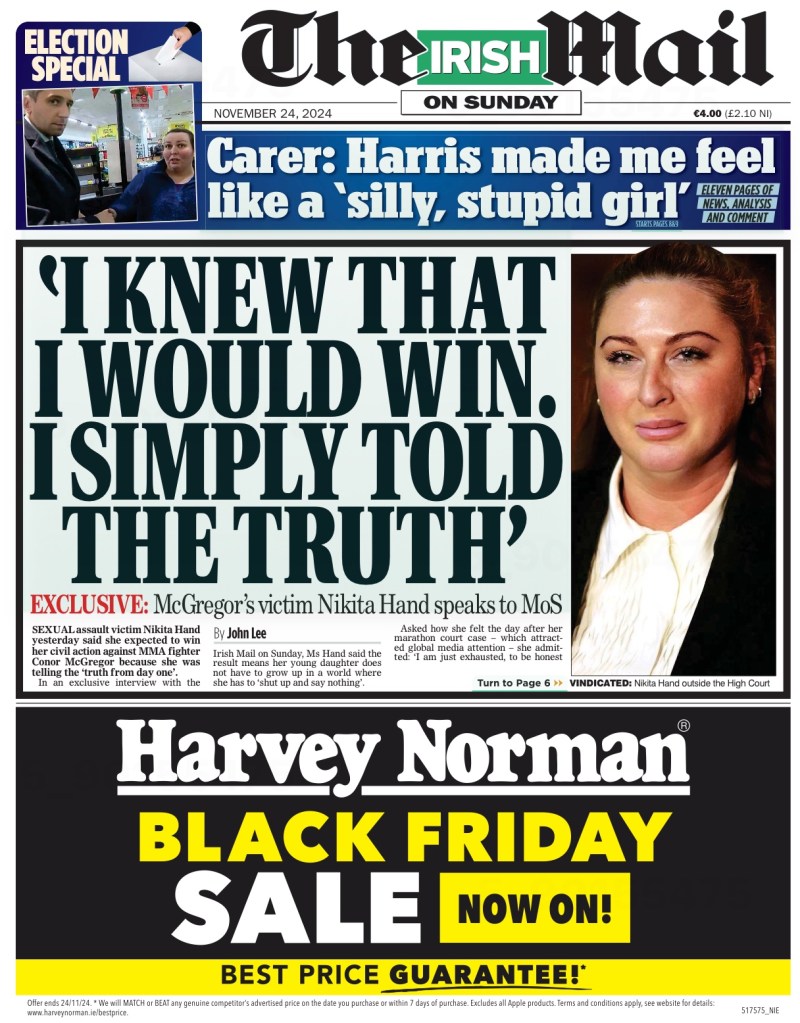
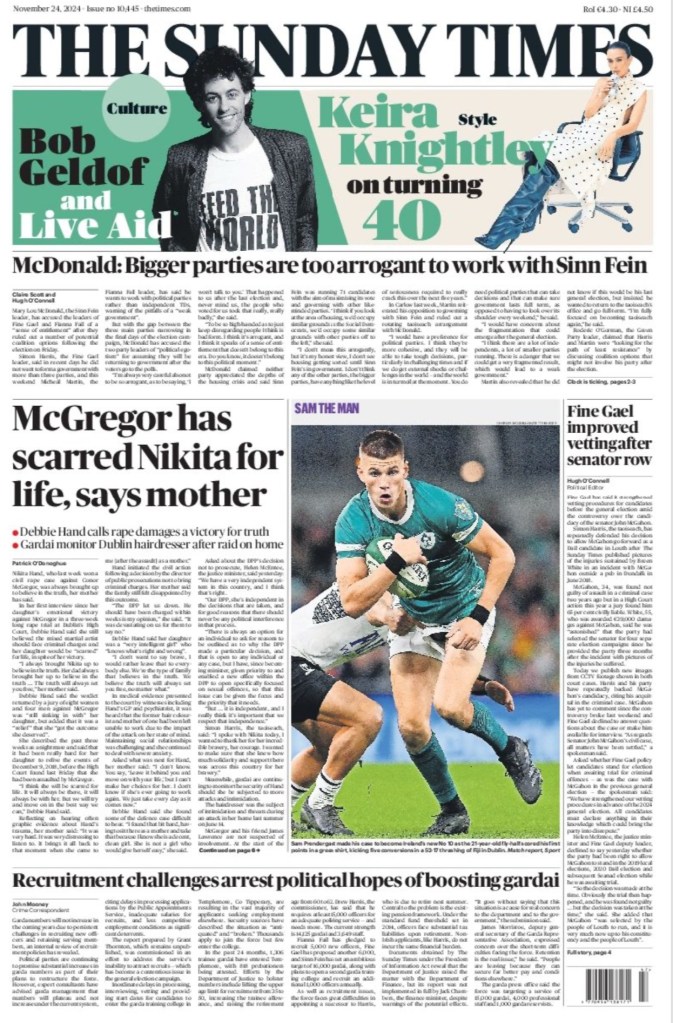
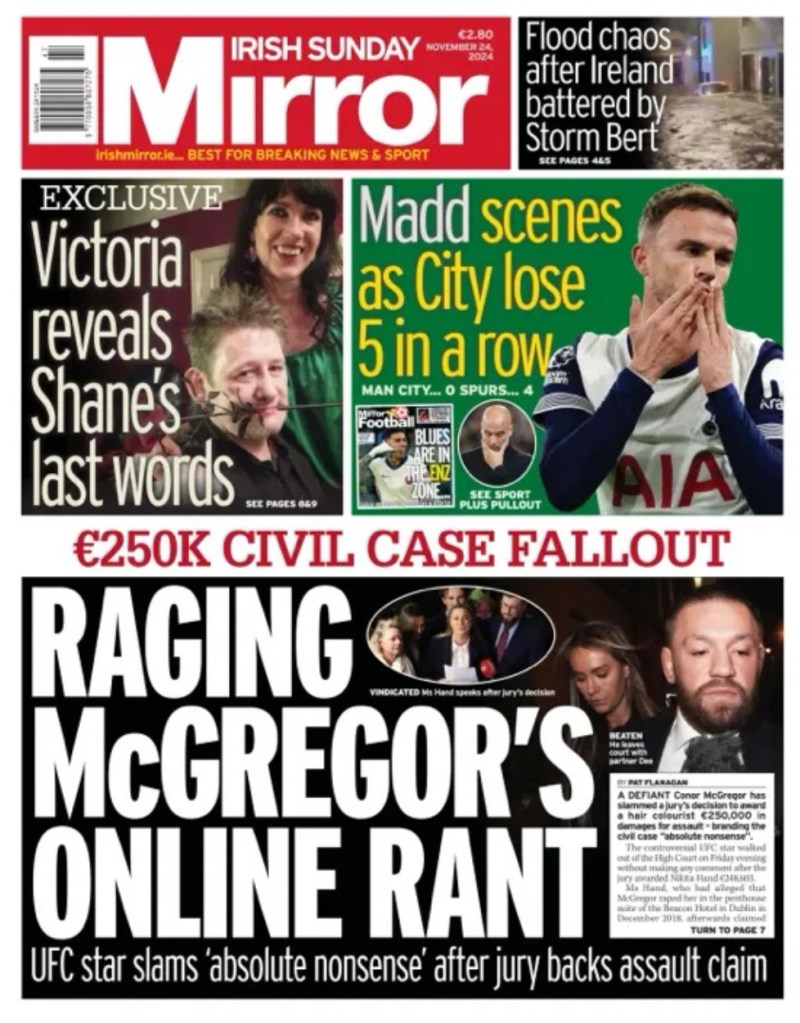

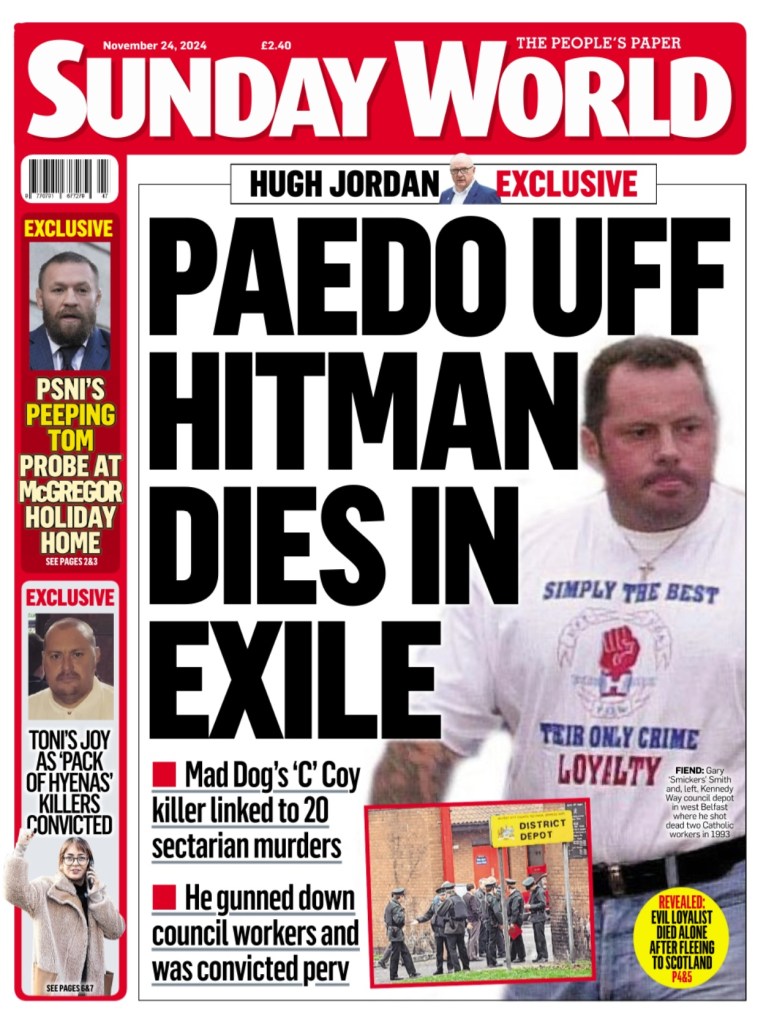
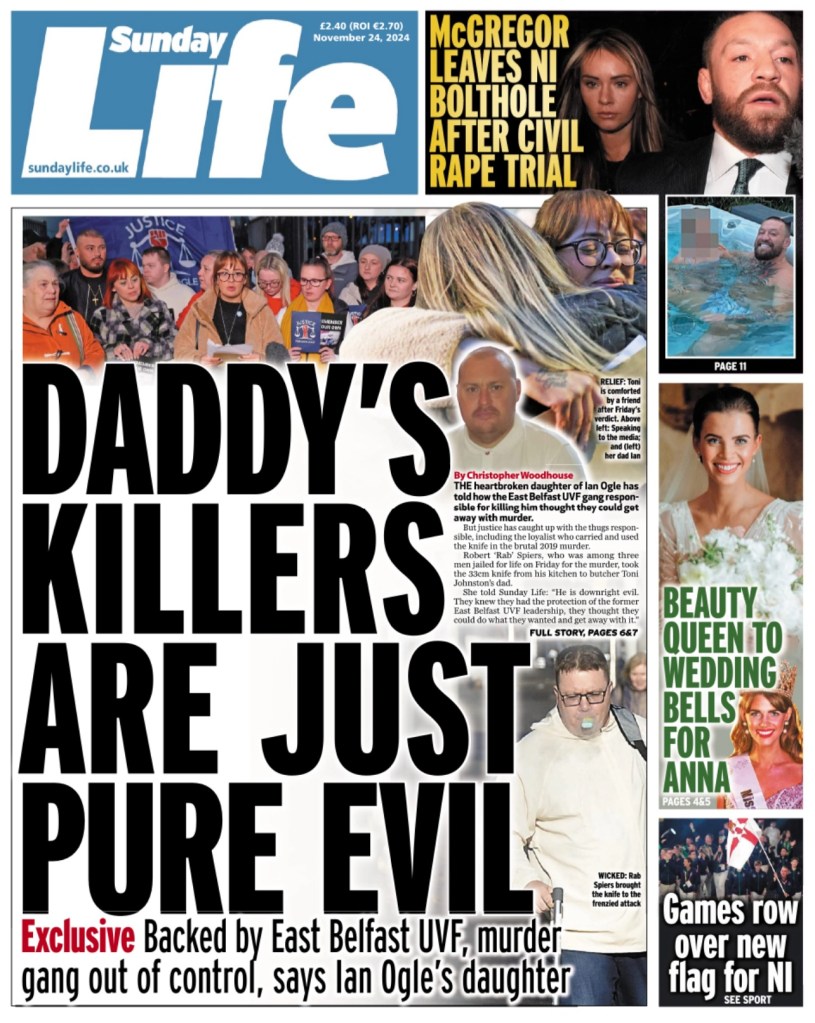
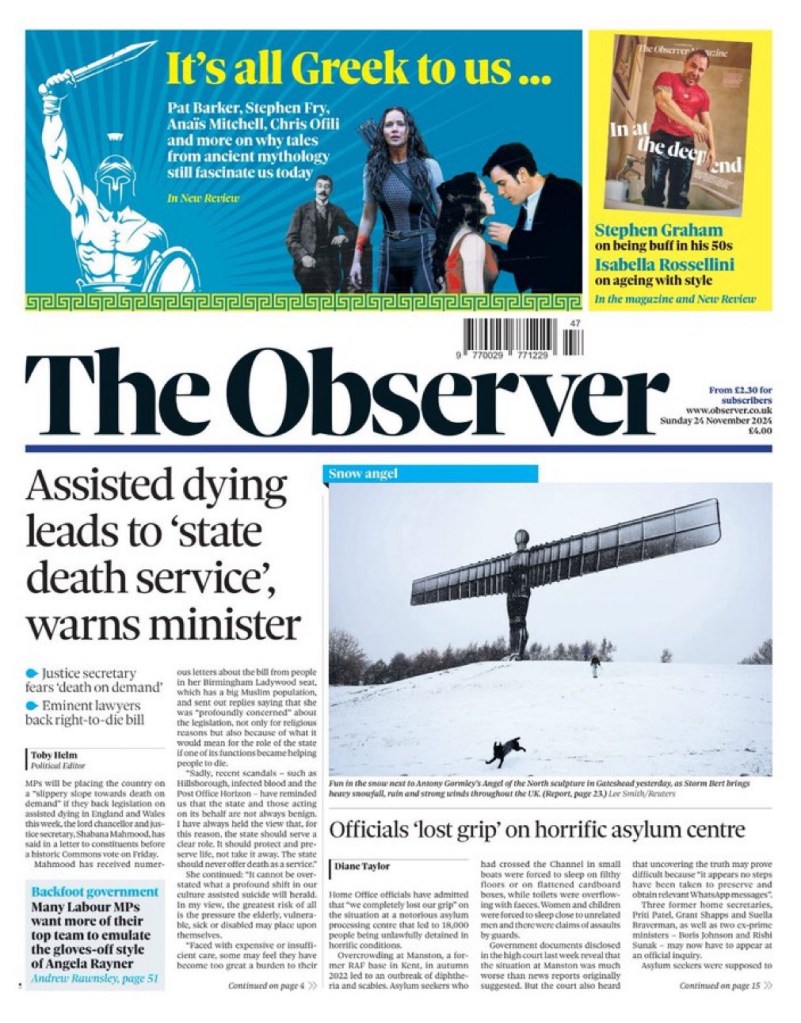
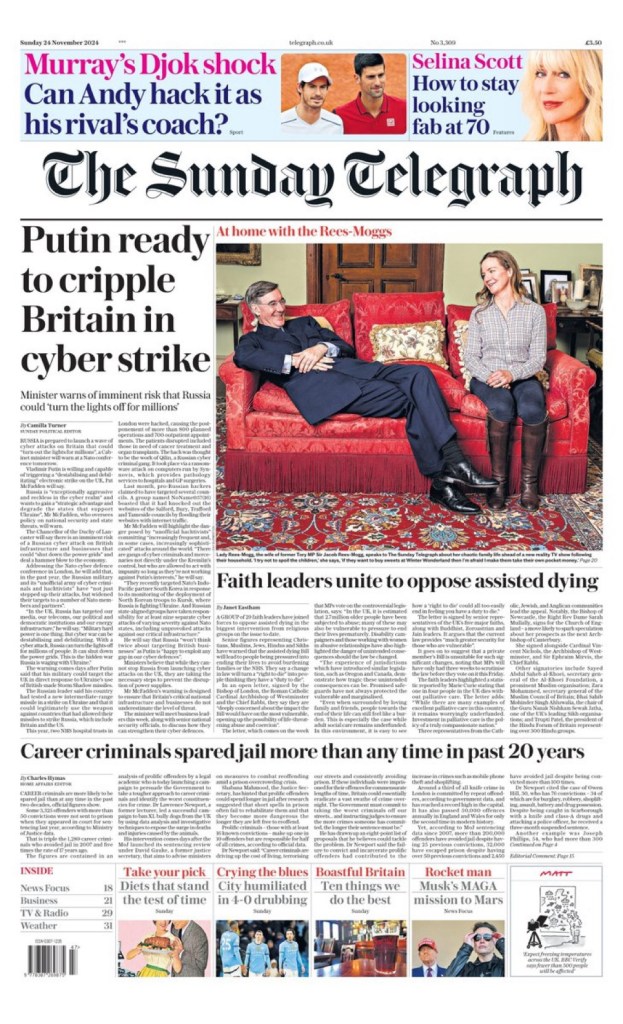
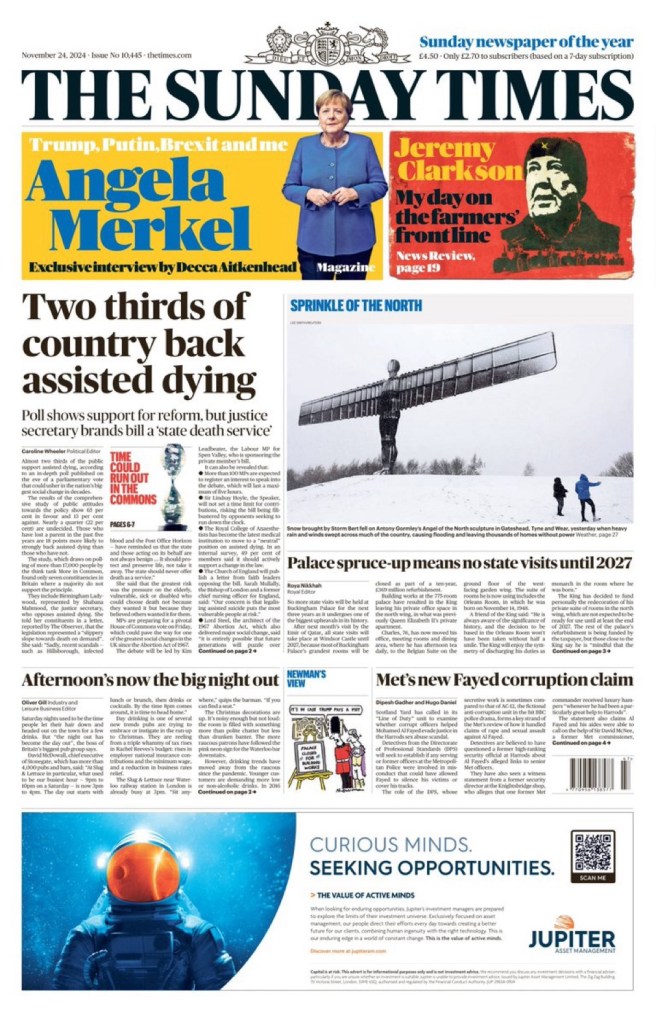
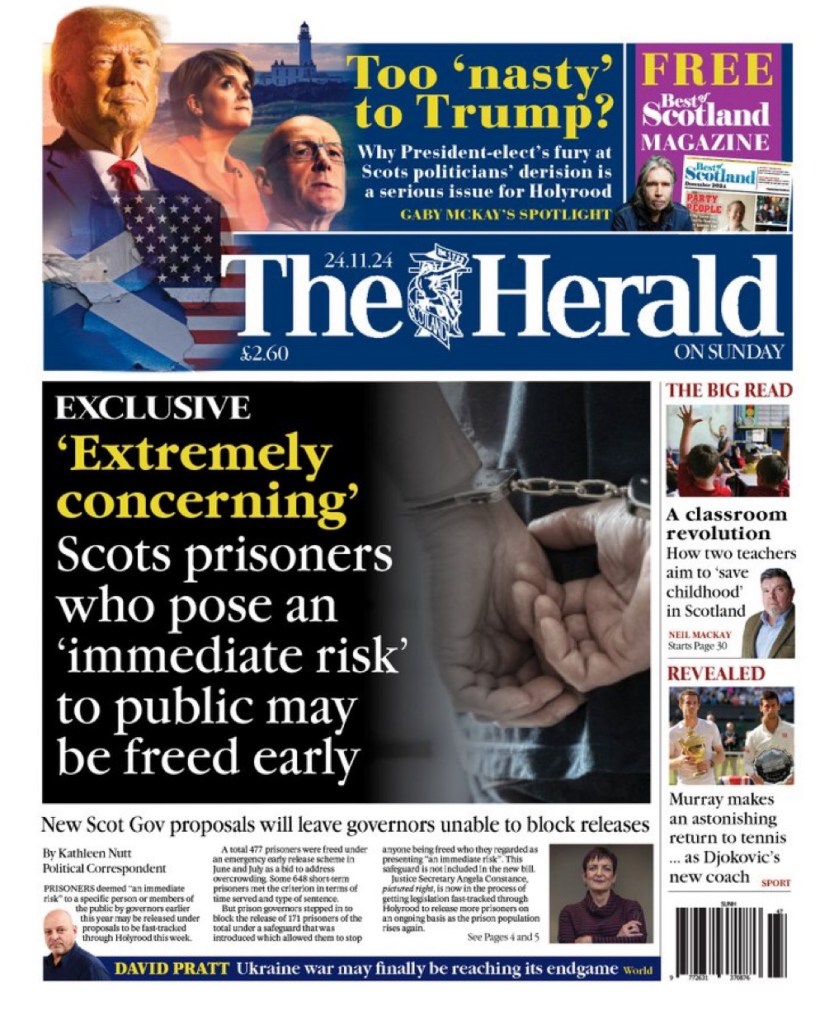
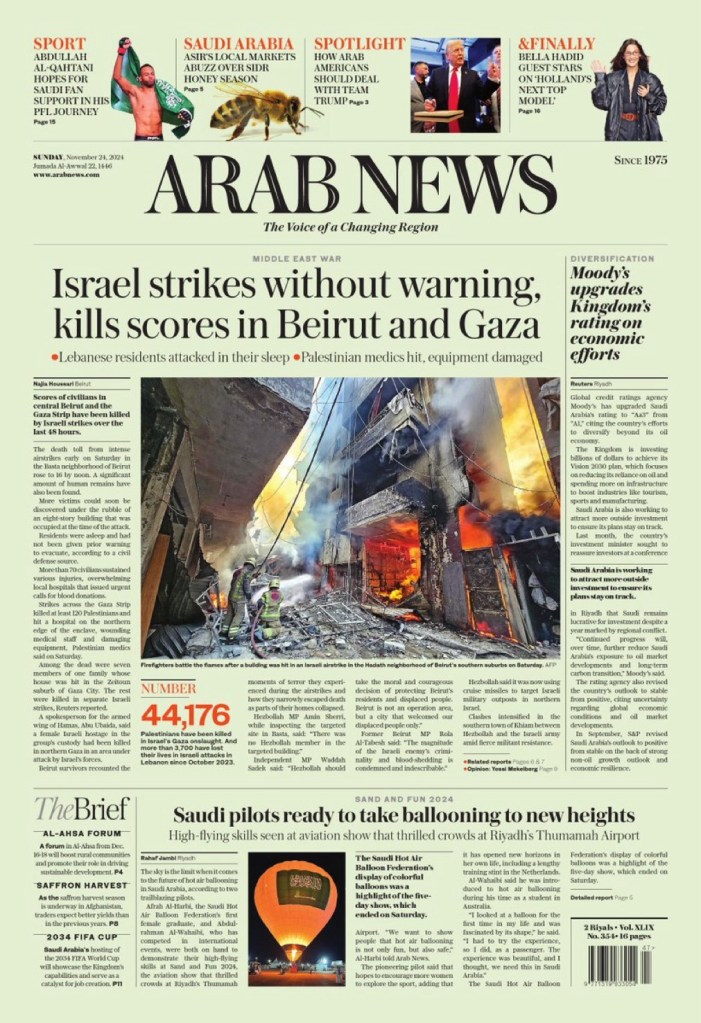

My thoughts… with about one week until the start of #GE2024 campaign
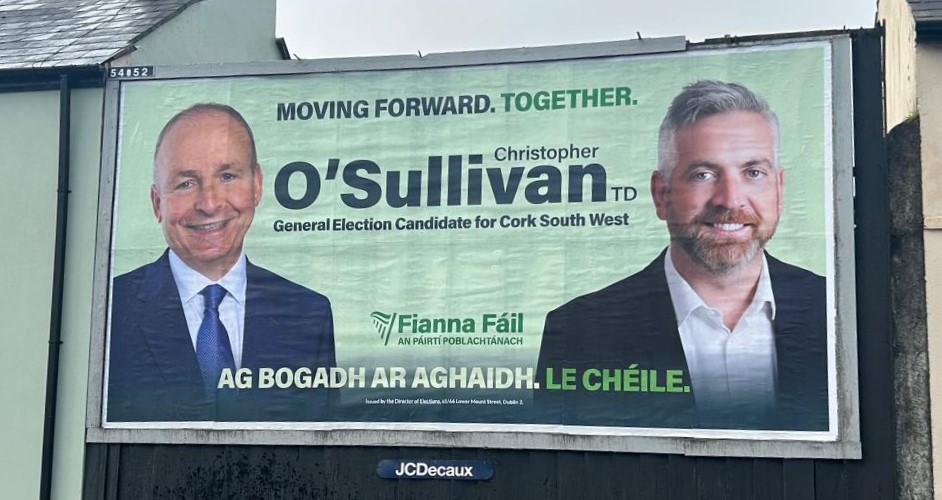
My latest MOONEY ON POLITICS podcast is based on the following text
Over the past few days, I’ve seen several political pundits offering their Irish election forecasts – offering a range of possible seat totals.
God bless their courage.
Until the campaign gets underway, I think it is wiser to avoid seat predictions, especially ones informed by polling. My main reason for this is that I think that the outcome of election will be heavily influenced by the campaign itself.
Campaigns matter… and this time around I believe the truth of this sound political adage will be very evident.
This is part due to the fact that this is will be a winter election. Though voters do like to be canvassed and the old motto that a vote worth getting is worth asking for still holds true voters might not be as inclined to engage with canvassers at their doors, especially during a cold Thursday evening. Continue reading “My thoughts… with about one week until the start of #GE2024 campaign”
Elections bring change… even when the results don’t
In this column I look at the changes since the 2024 Local and European elections and consider their ramifications and the possibility of even further changes. Though Fianna Fáil and Fine Gael are understandably exuberant after each securing 23% of the votes of those who showed up… anyone imagining this as a sign of greater things to come, should think twice. This column forms the basis of my latest Mooney on Politics podcast.
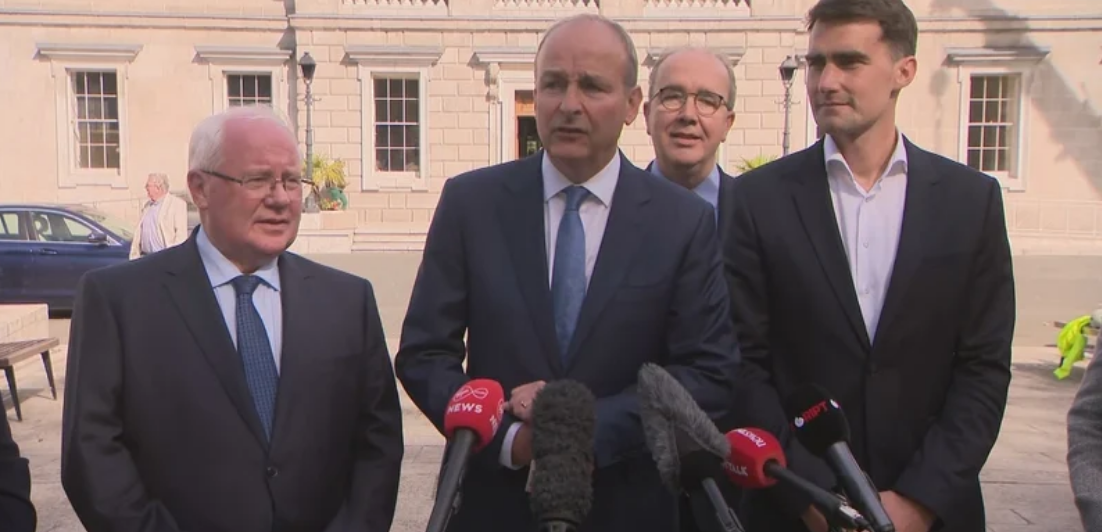
I have lost count of how many times I have started this week’s script and then had to rethink or rewrite it. These drafts have not been overtaken by events, as such, but rather by my taking a little more time to stand back and (attempt) to take a bigger overview of:
- what has happened, and
- what may be about to happen next
The first draft started with this pithy and succinct summary of the local and European election results, sent to me by a colleague soon after the first count results were announced in a number of councils:
Voters think the government is crap… but they think the opposition is crappier
Continue reading “Elections bring change… even when the results don’t”
We must base Irish Defence Policy on debate, not caprice
In this week’s column I return to a topic I have discussed many times over the years – Irish Defence. Though there are some signs that things may be about to improve, the pace is no where near fast enough. The Minister responsible is more pre-occupied with positioning and messaging, than on tackling the real problems. We see this in his hands off approach to the current Defence Bill. You can also listen to the accompanying Podcast, it also includes a short review of Eamon Ryan’s leader’s address at last weekend’s Green Party conference.
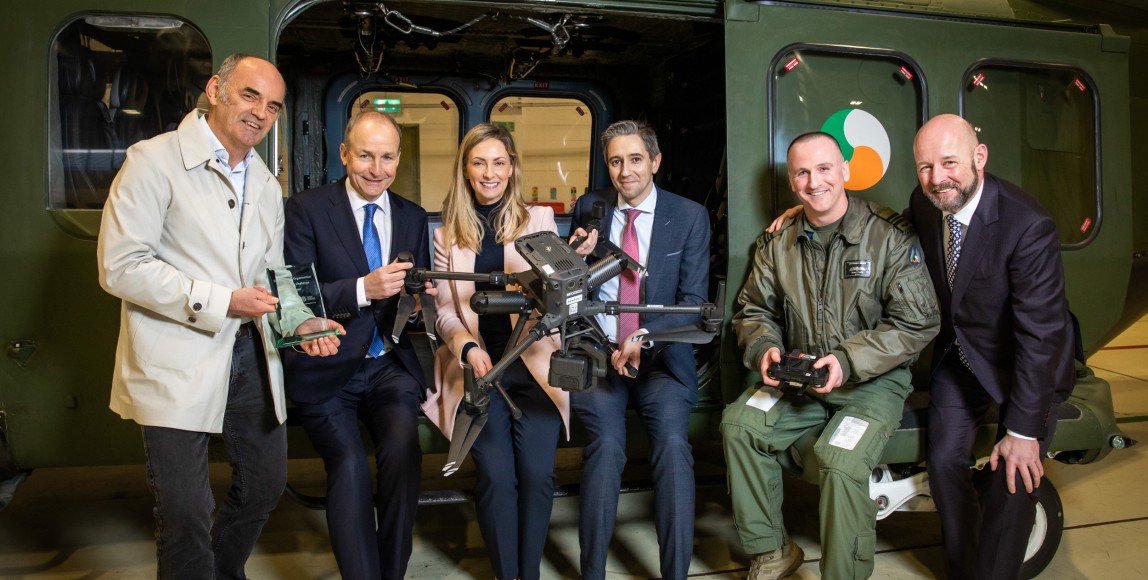
It’s deeply frustrating to tune in to TV or Radio debate on Ireland’s traditional policy of military neutrality and the Triple Lock and then hear the case for both being argued by people who seem far more interested in criticising the U.S. or the E.U. or the very concept of military defence.
Take last Wednesday’s Tonight Show on Virgin Media TV. On the panel were Deputies Dr Cathal Berry and Mick Barry and Dr Karen Devine. While the producers may have anticipated that Dr Devine and Deputy Barry would be making the case for military neutrality and the retention of the Triple Lock (and I accept the risk of using these two phrases as if they were interchangeable) I heard precious little from either one on the actual case for both.
Continue reading “We must base Irish Defence Policy on debate, not caprice”
 derekmooney.ie