
Here are my comments during last Tuesday night’s panel discussion about the turmoil within Fianna Fáil. You can also watch the full 20 minute discussion here
Tag: Aras2025

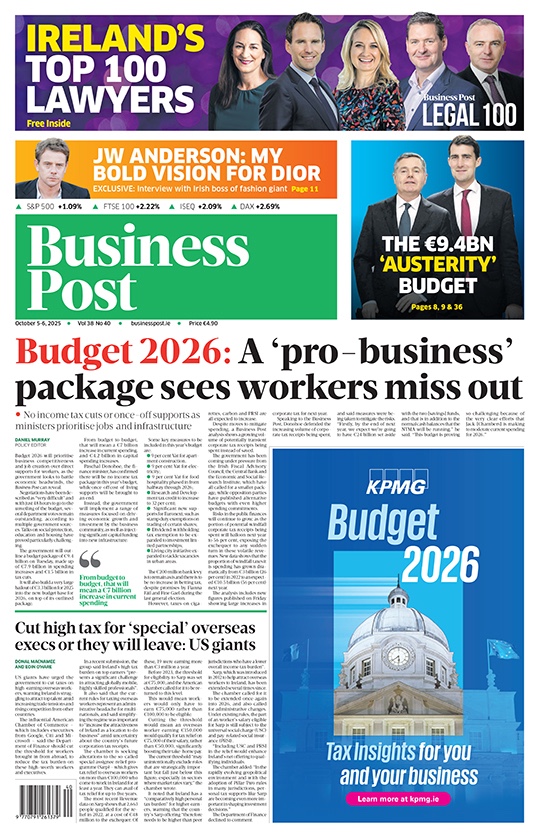
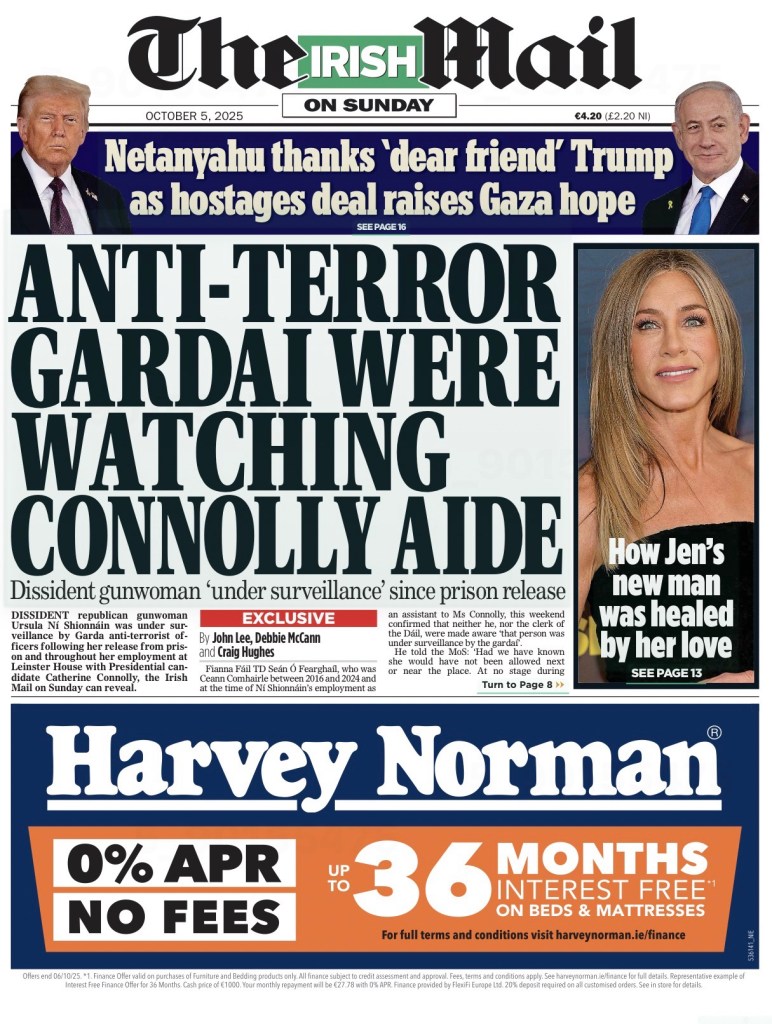
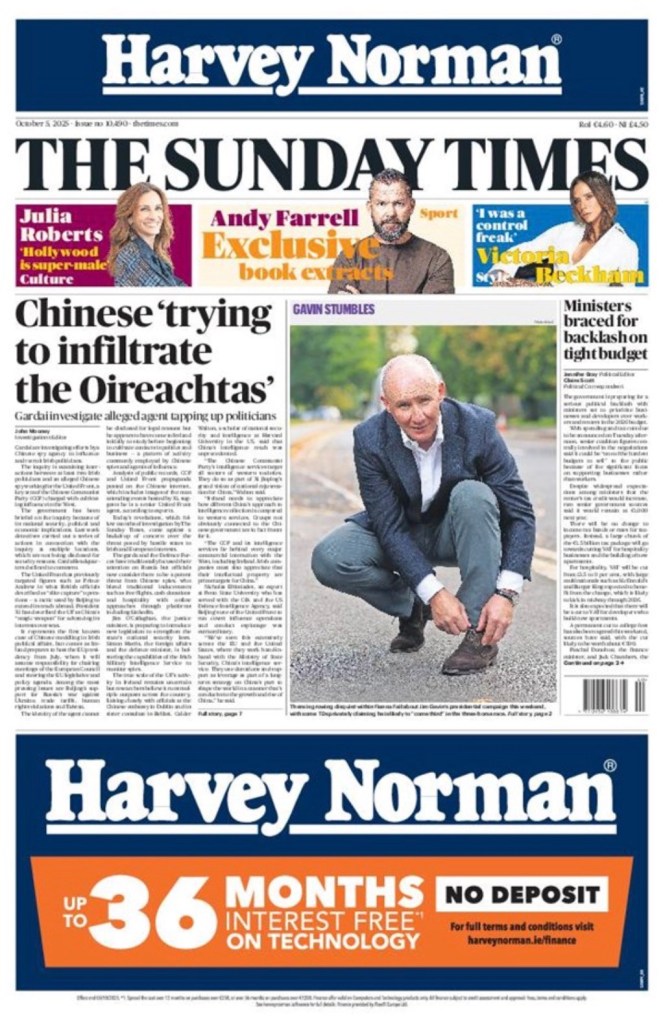
Irish Sunday newspaper #frontpages – October 5th [Updated]

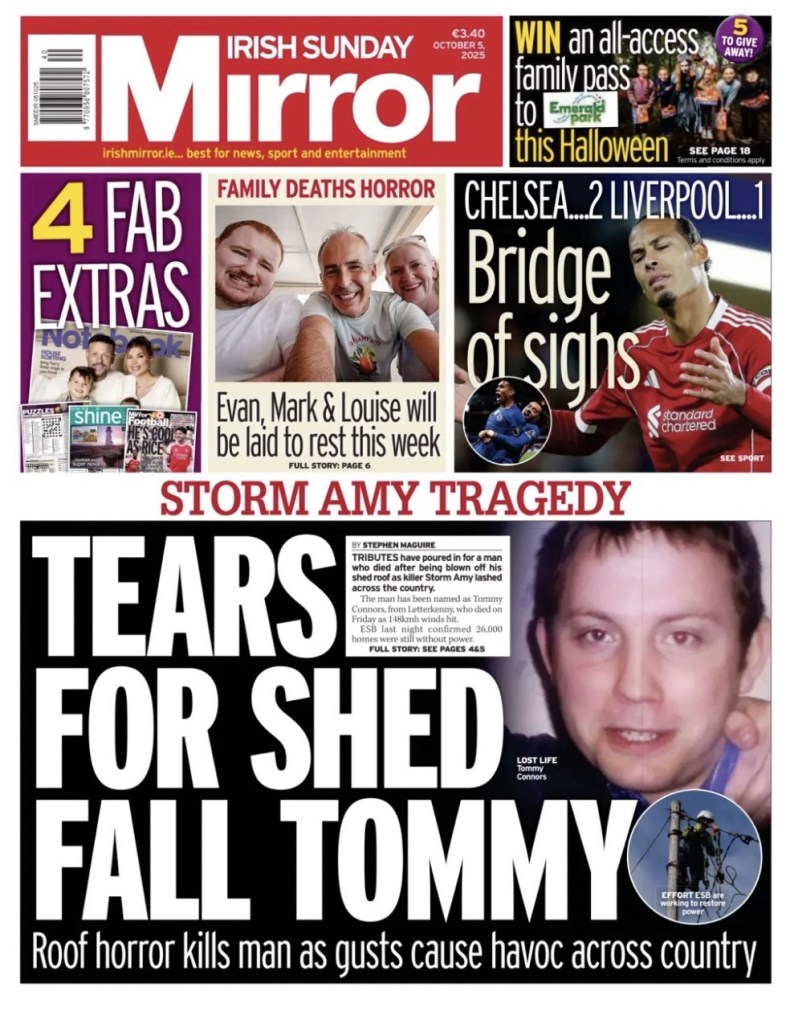
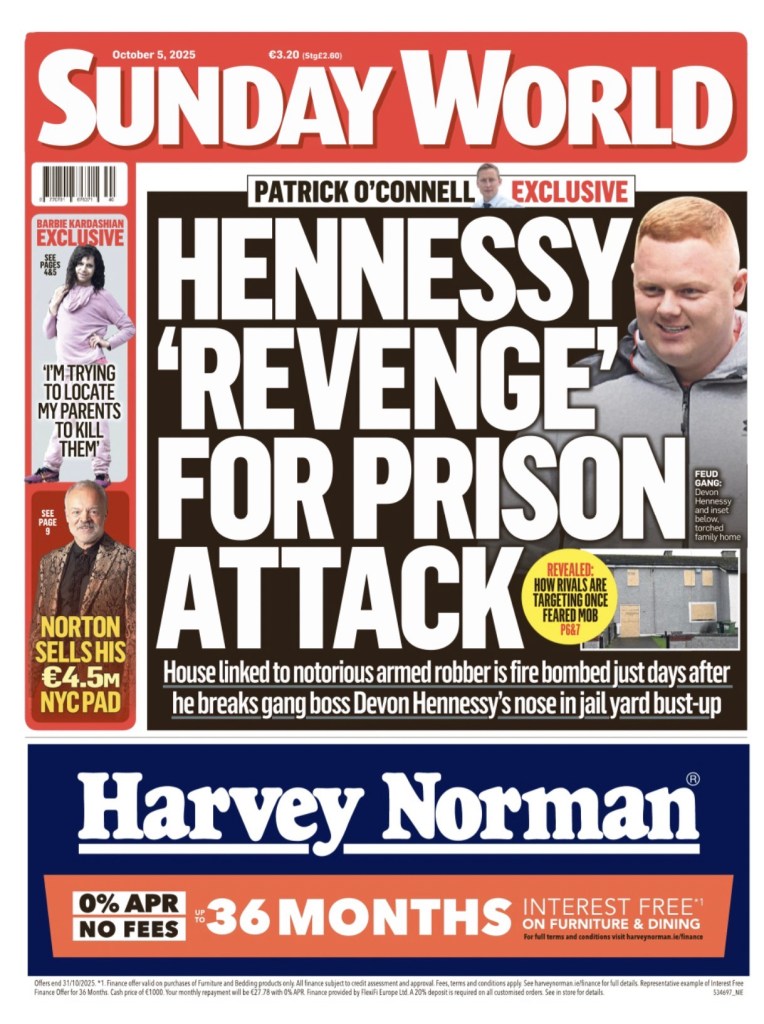
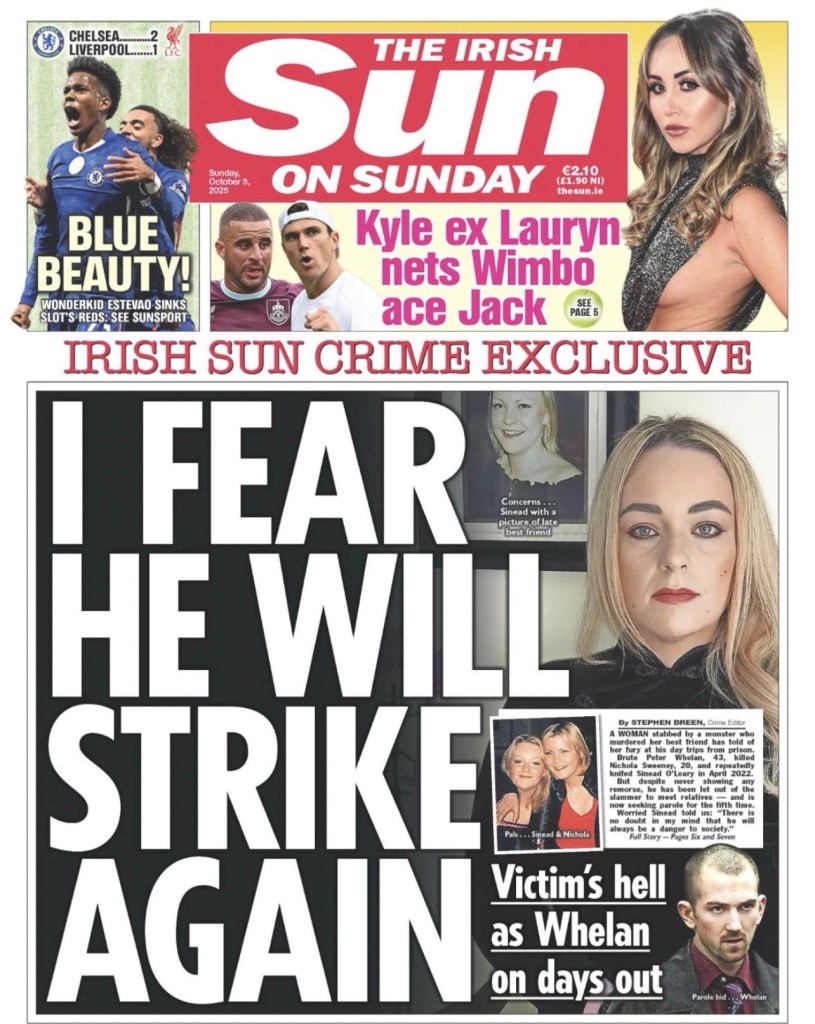
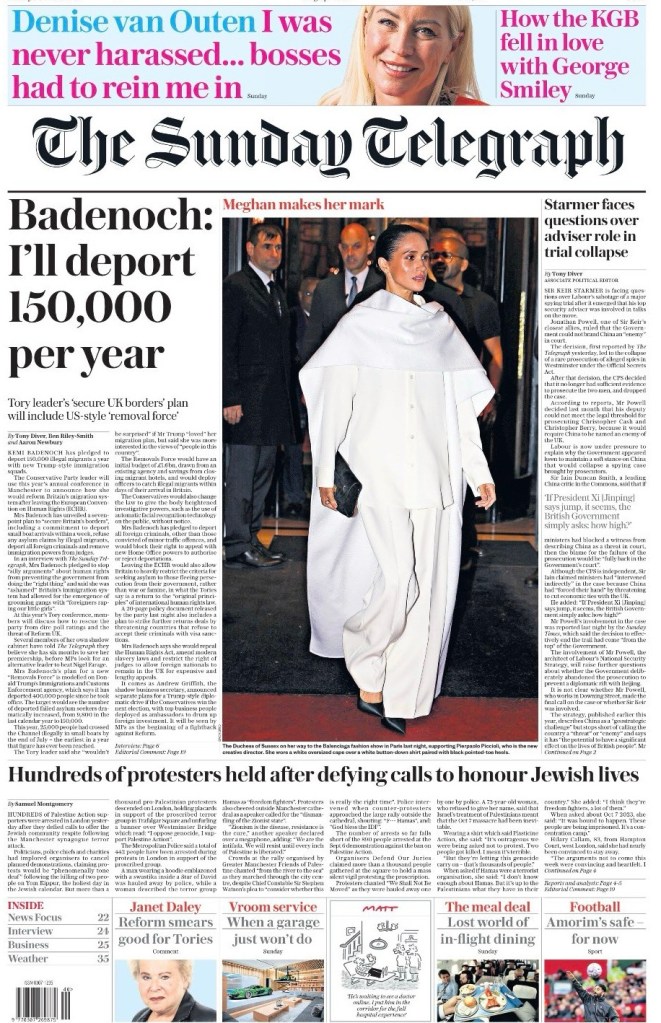
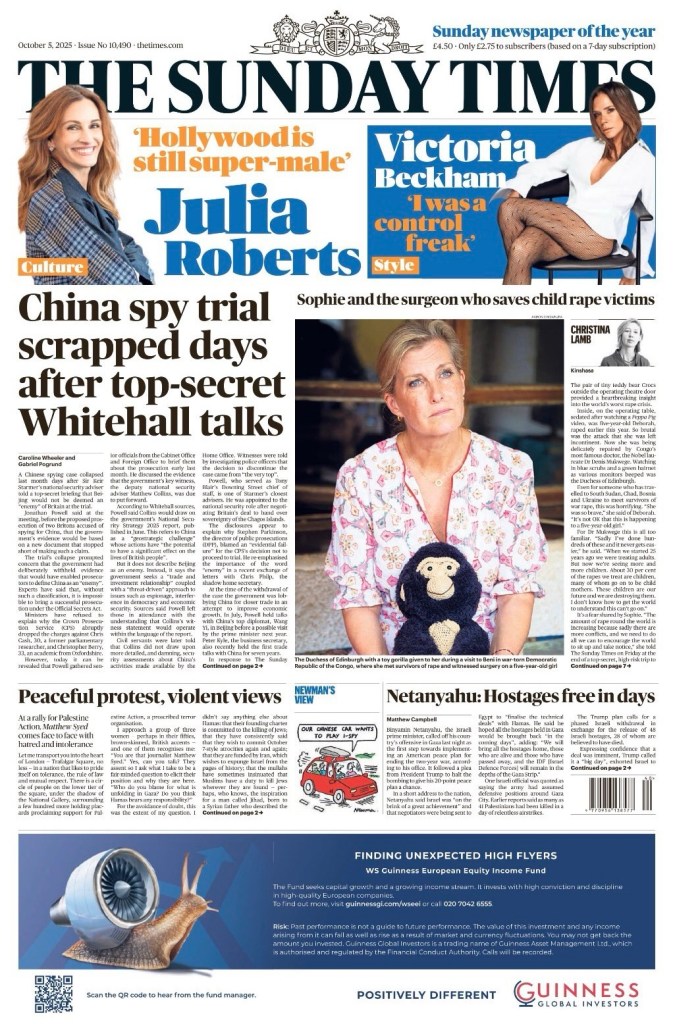
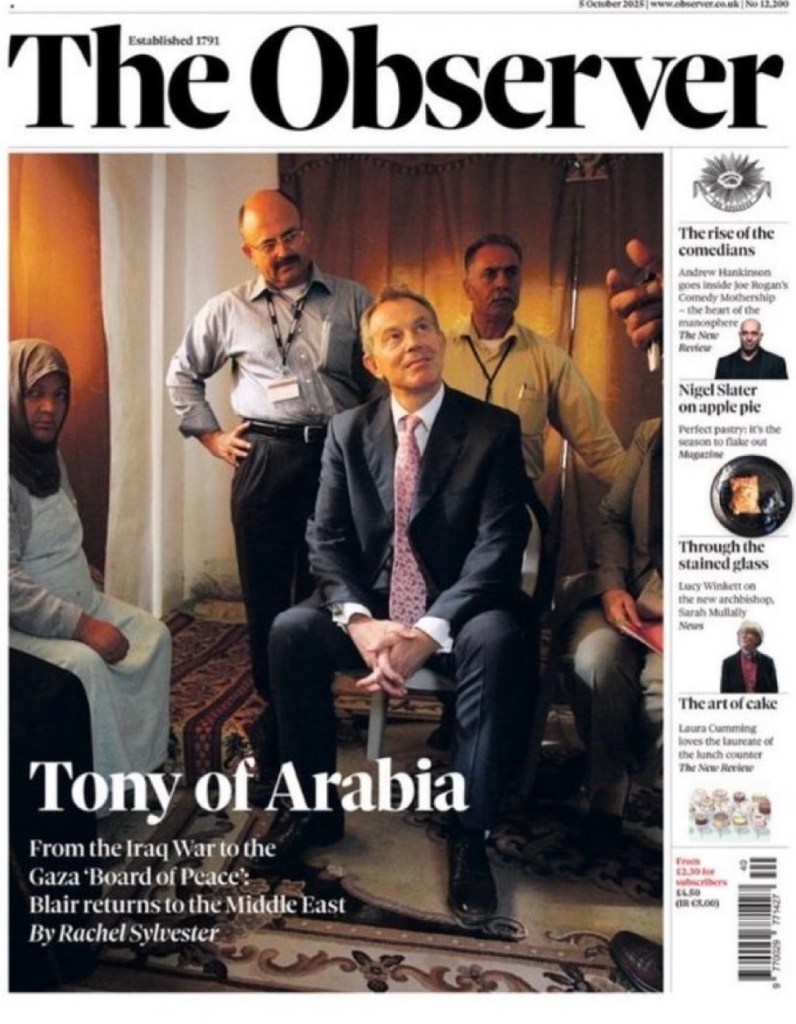
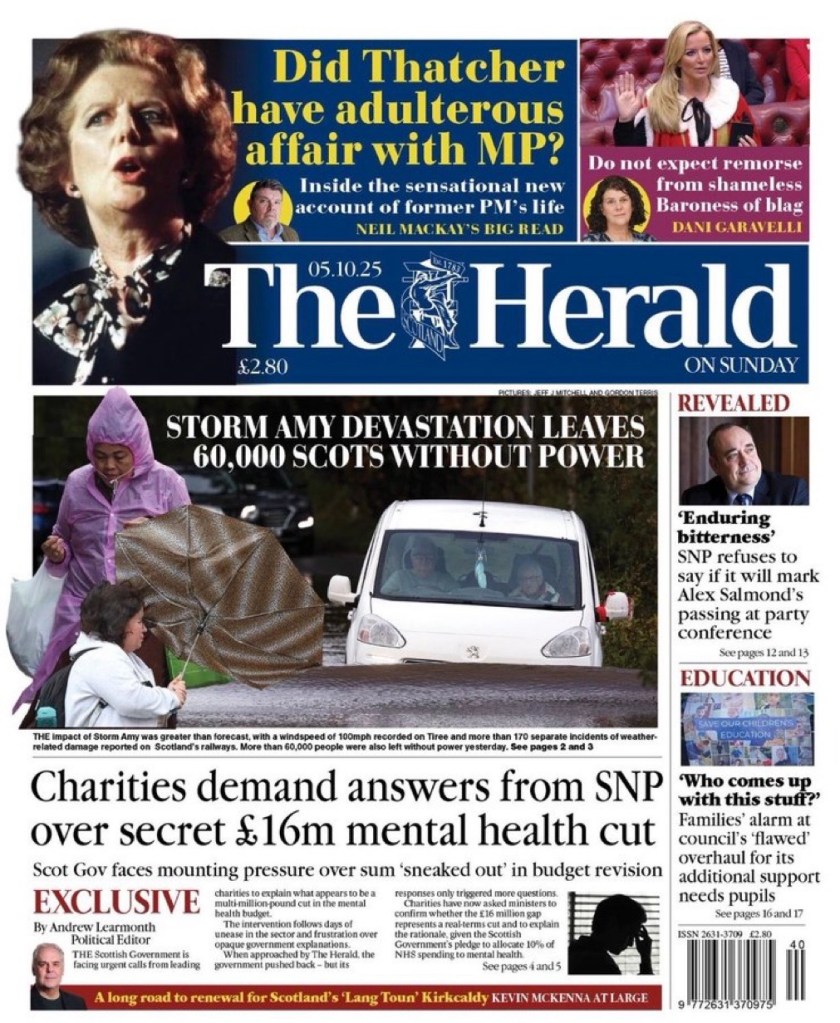
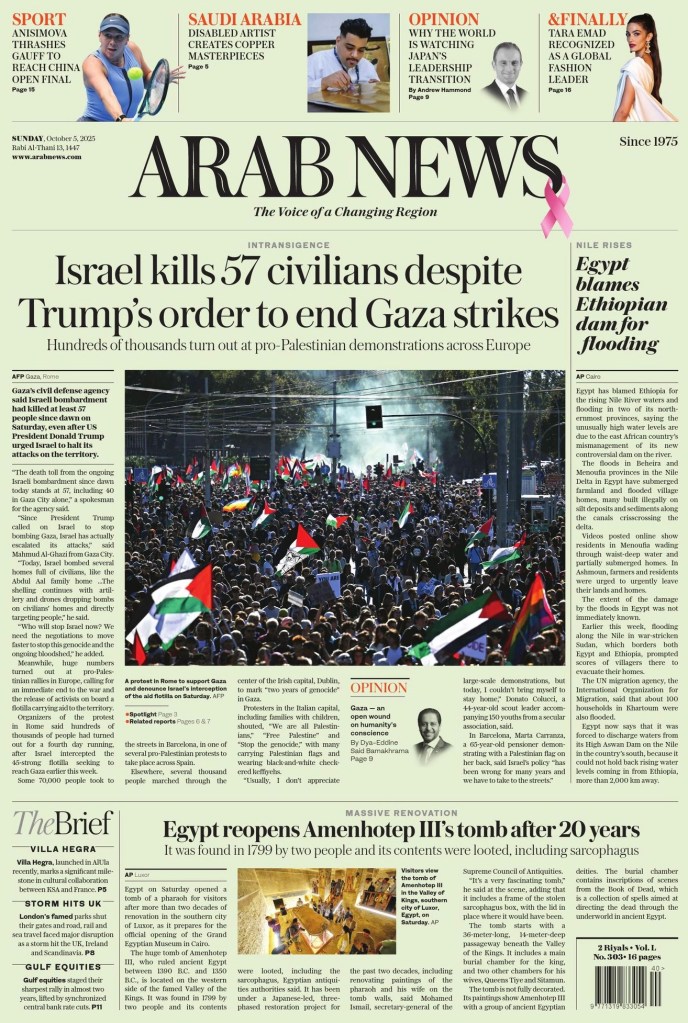
I spoke with @BBCnews @BBCradioulster on Thursday about the current state of the #Aras2025 3-horse-race
Check out my latest #MooneyOnPolitics #podcast… on #aras2025 and college fees row
Here are the key messages from the “Mooney on Politics – A cigar is just a cigar” podcast episode:
- Presidential Election Uncertainty: The outcome of the upcoming Irish presidential election is highly uncertain. Only Fine Gael, Fianna Fáil, and Sinn Féin have the resources and parliamentary numbers to nominate a candidate directly, but none have a clear or confident strategy in place.
- Fine Gael’s Strategic Risks: Fine Gael appears set on nominating Mairead McGuinness, but delaying the announcement until September is seen as a strategic mistake. This delay could allow fringe candidates to dominate the narrative and create momentum outside the main parties.
- Fianna Fáil’s Identity Crisis: There is strong internal pressure within Fianna Fáil to run a candidate, but party leadership seems reluctant, possibly preferring to back an independent. This reluctance is criticized as a lack of political nerve and clarity about the party’s purpose.
- Sinn Féin’s Dilemma: Sinn Féin wants to contest the presidency but fears the impact of another electoral setback after recent disappointments. The party is considering a “left unity” candidate with other progressive parties, but this carries its own risks and complications.
- Micheál Martin Not Running: The notion that Taoiseach Micheál Martin might run for president is dismissed outright. When he says he’s not interested, he means it—there’s no hidden agenda, echoing the phrase “sometimes a cigar is just a cigar.”
- Potential for a Centre or Centre-Left Candidate: There is speculation that a dynamic, younger candidate from the centre or centre-left (possibly backed by Labour, Social Democrats, Greens, or independents) could capture the public mood and win, especially as government satisfaction is declining.
- Generational Change: There is perceived public appetite for a younger, more media-savvy president who better reflects modern Ireland, though age alone is not decisive.
- Government Incoherence and College Fees Row: The recent controversy over third-level college fees exposes deep incoherence within the government, particularly between Simon Harris and other ministers. Public disagreements and policy freelancing are seen as symptomatic of a government losing cohesion and direction.
- Risk of Government Collapse: The government’s internal dysfunction and lack of unified decision-making could lead to its collapse before the end of its term, especially if backbenchers lose confidence in their prospects.
- Impact of External Factors: Issues such as potential US trade tariffs and economic pressures are looming, adding to the sense of instability and the need for sustainable fiscal planning.
- Presidential Election as a Political Barometer: The upcoming presidential campaign is likely to be more consequential than previous ones, potentially reshaping the political landscape and exposing the strengths and weaknesses of the main parties.
- Call for Engagement: The episode ends with an invitation for listeners to suggest political books for a forthcoming summer reading list podcast.
These points capture the podcast’s analysis of party strategies, leadership dilemmas, government instability, and the broader political context as Ireland approaches a pivotal presidential election
 derekmooney.ie