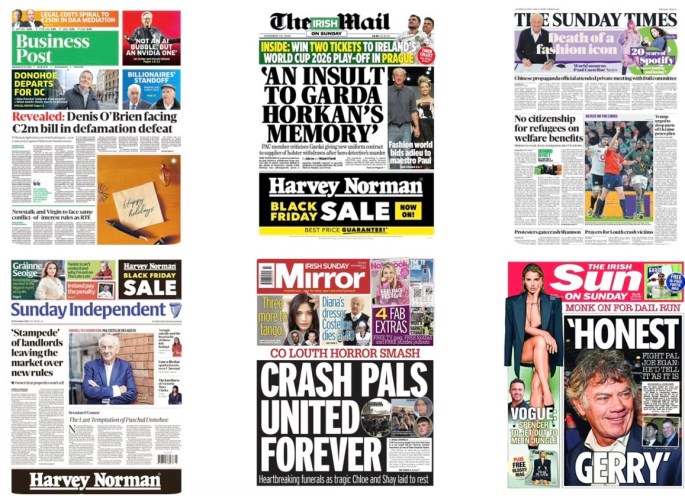
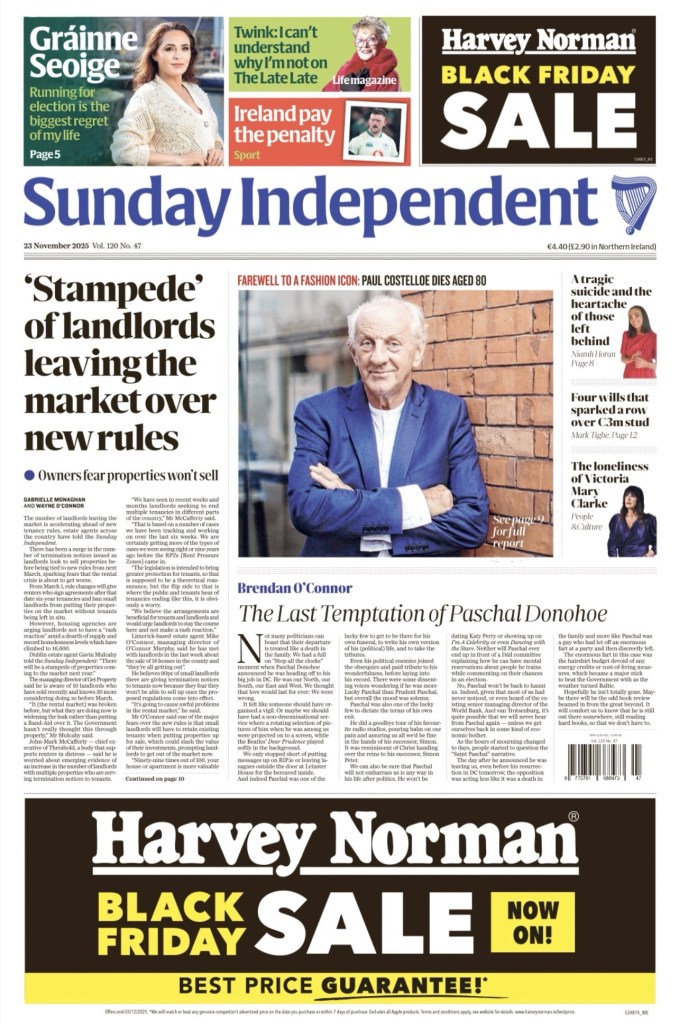
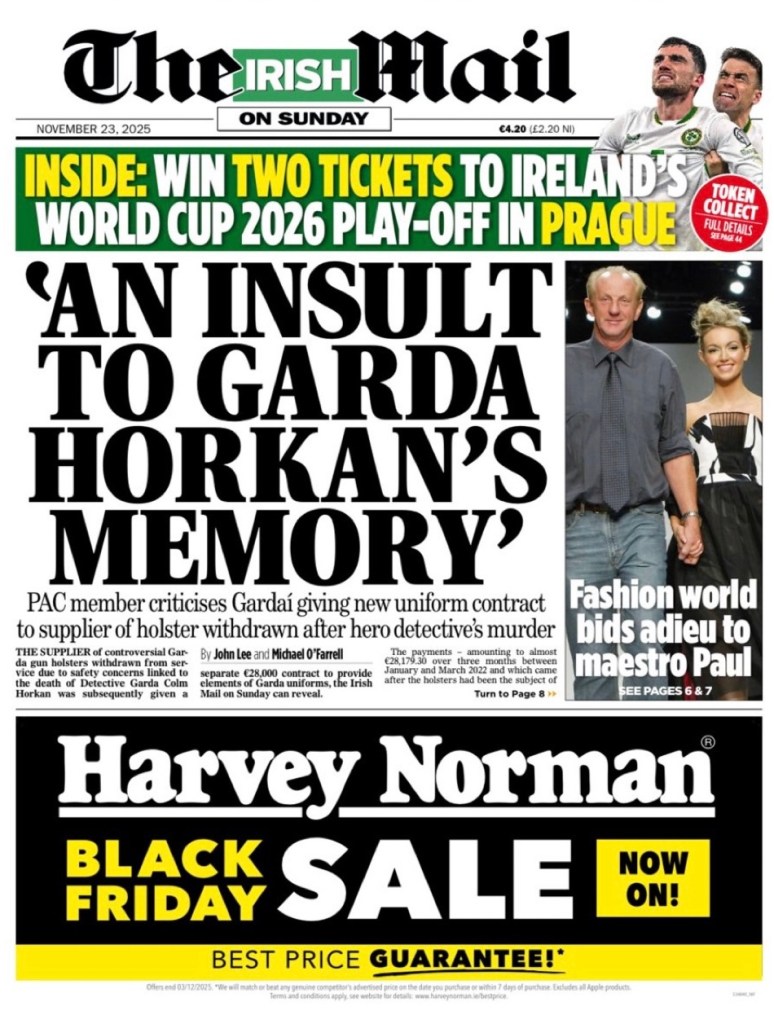
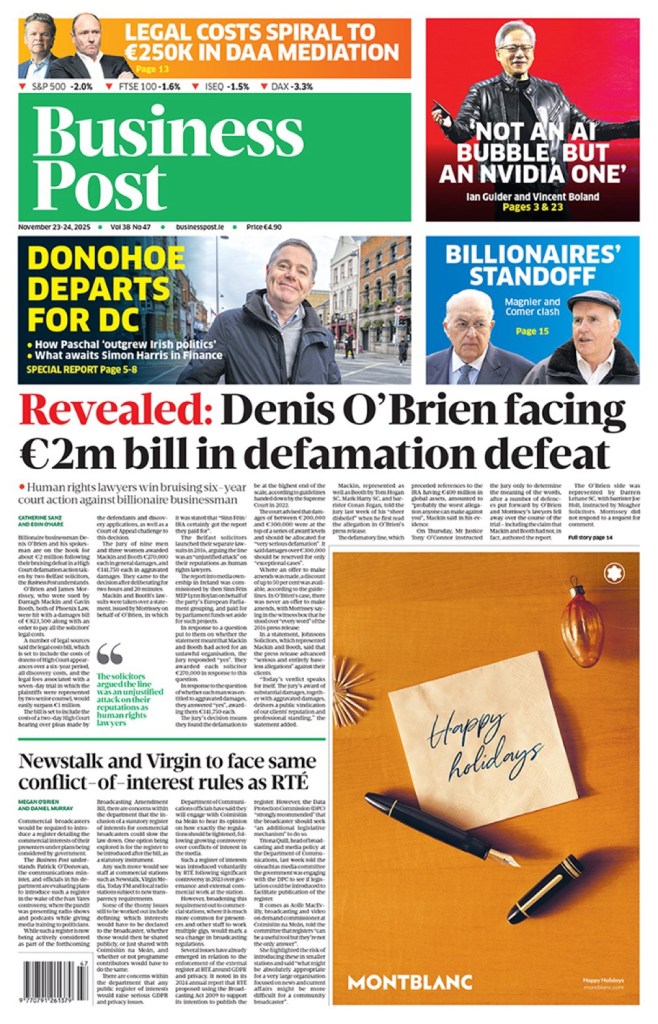
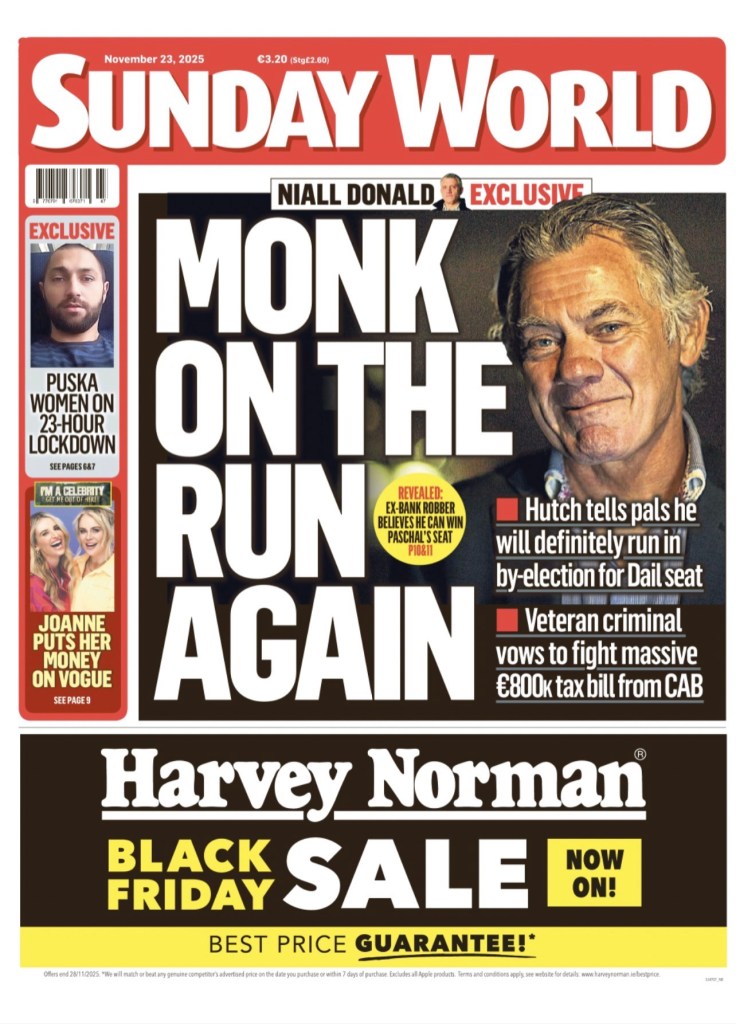
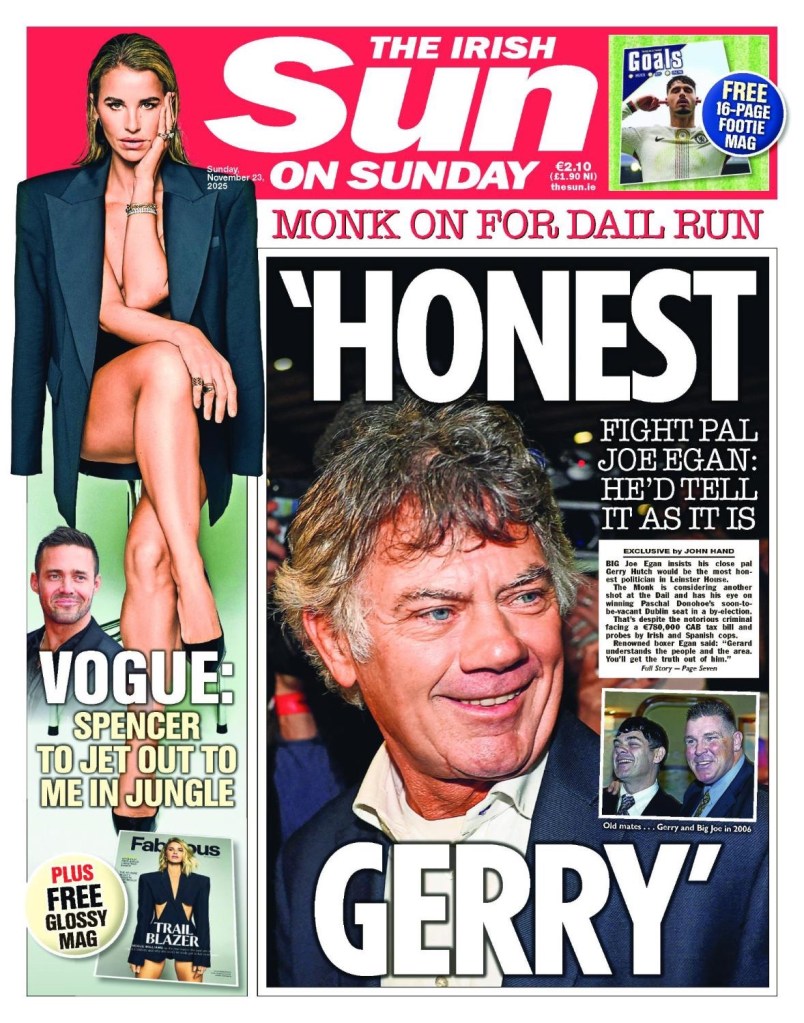
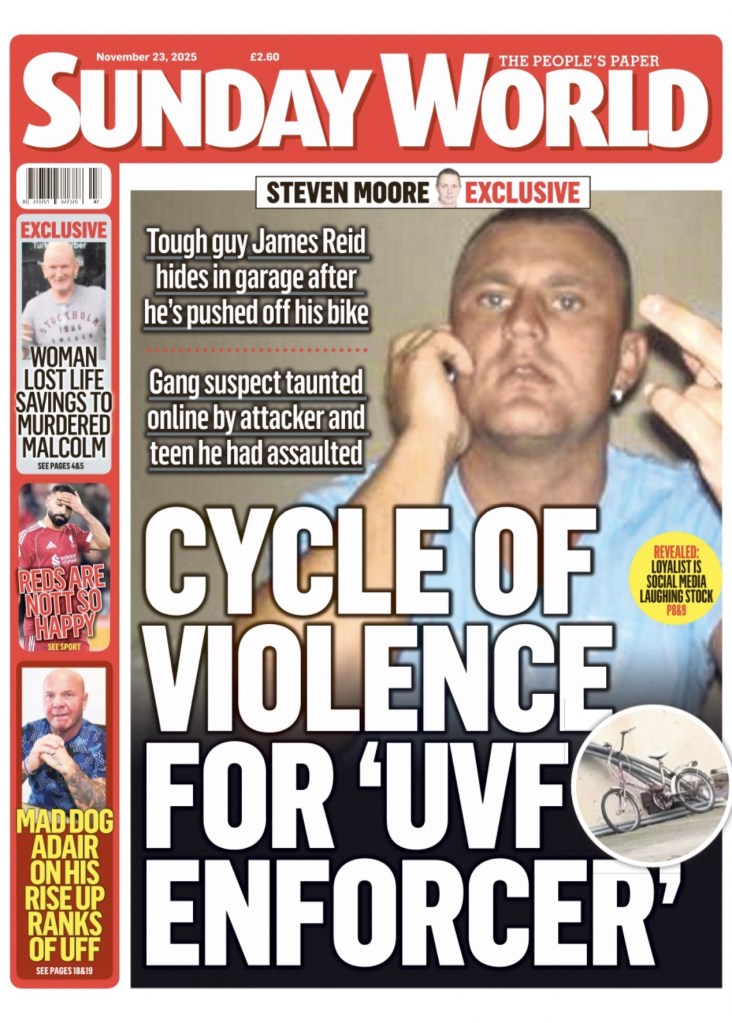
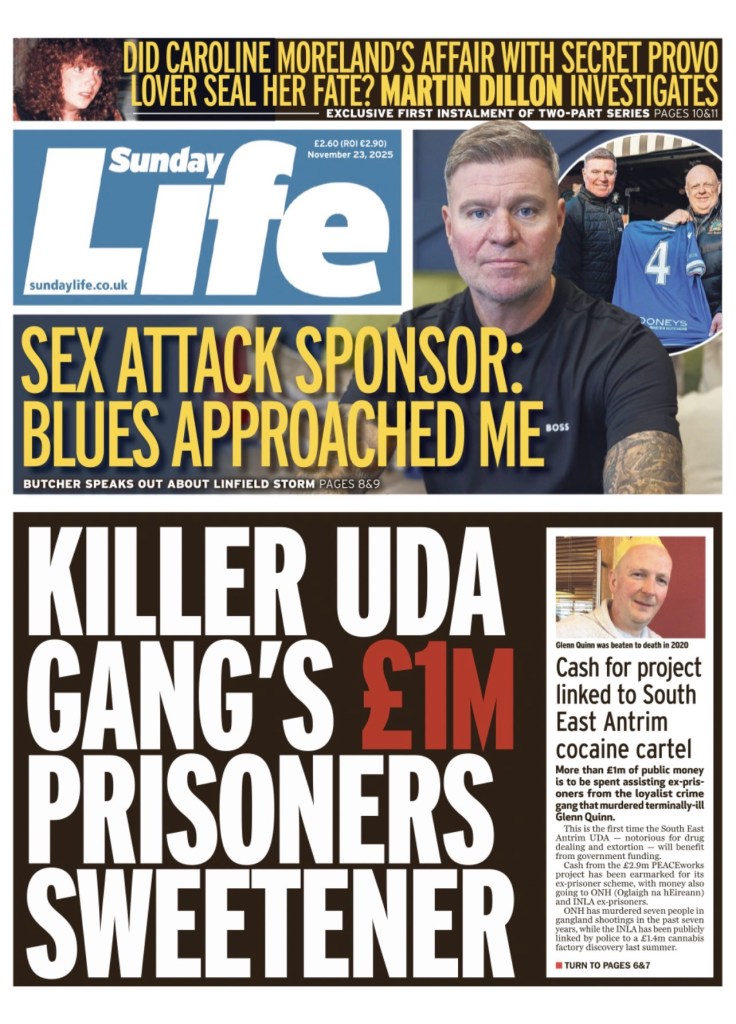
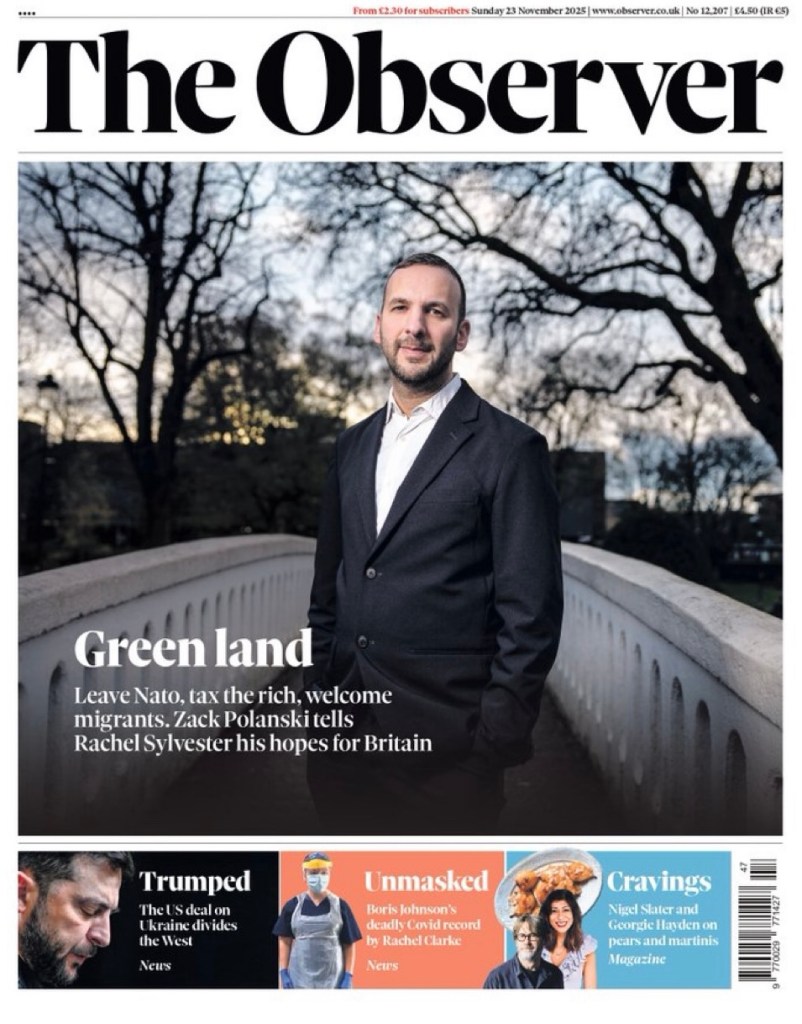
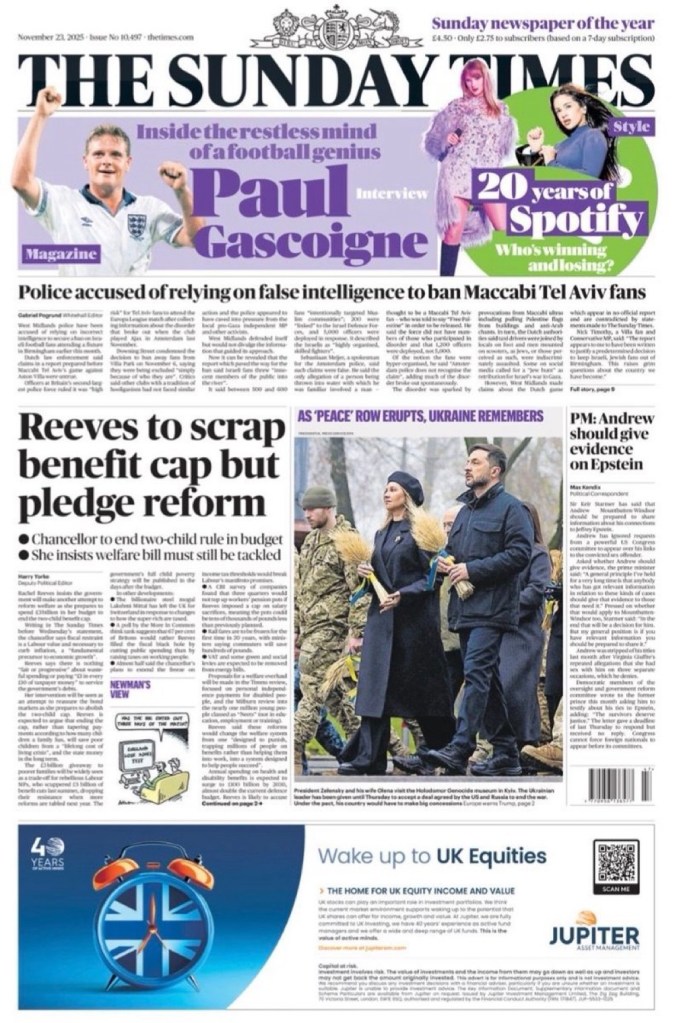
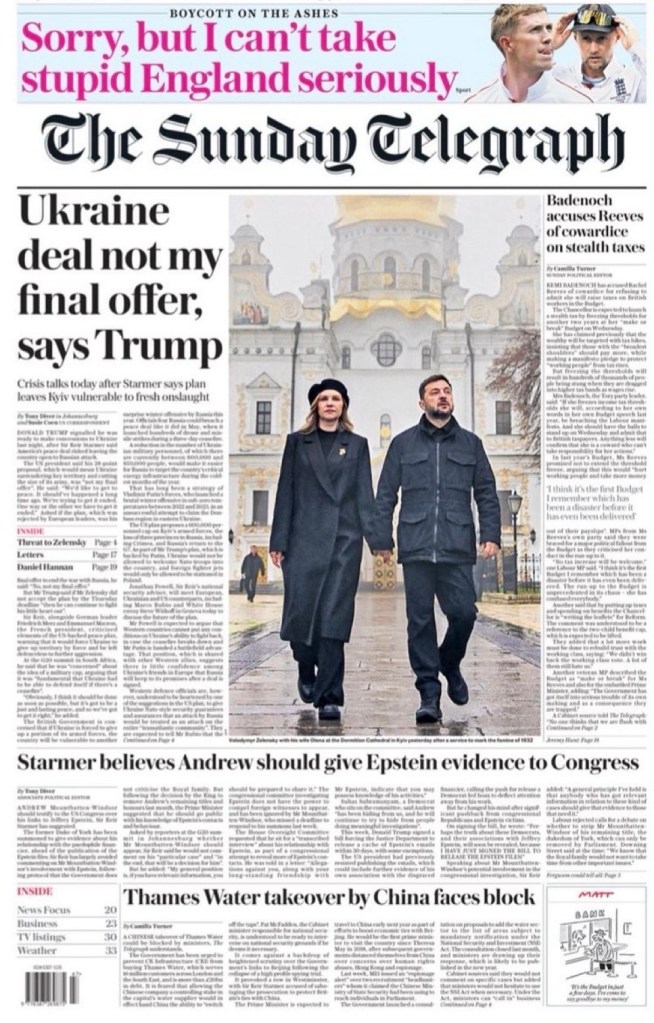
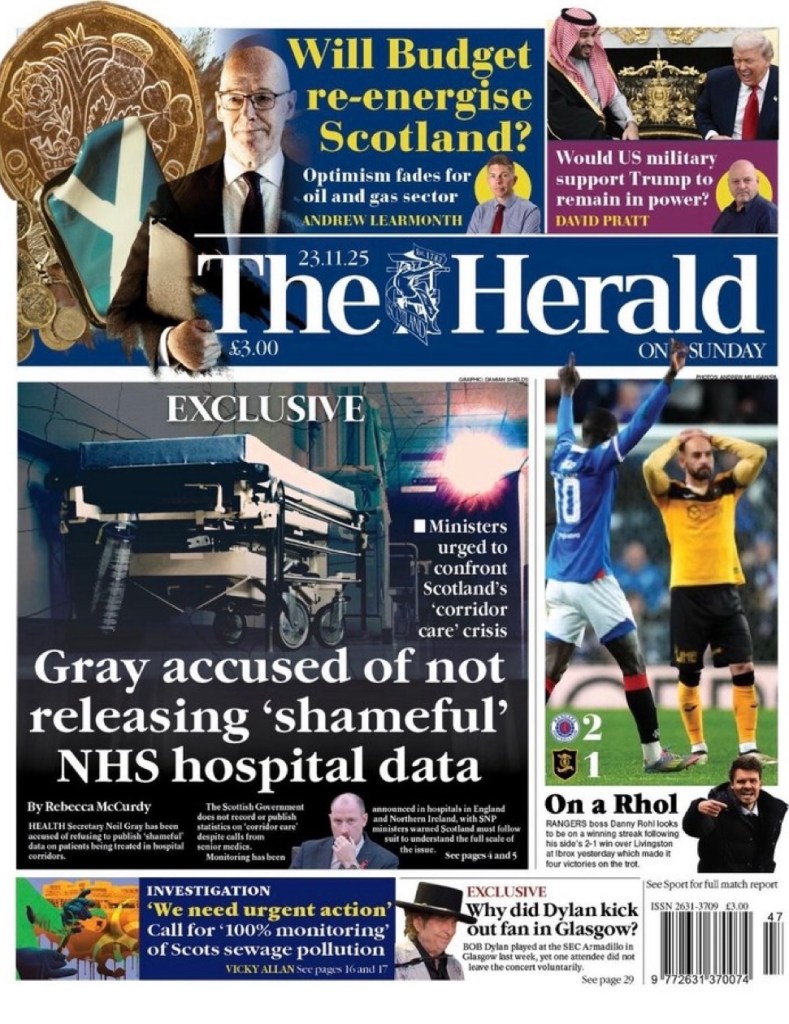
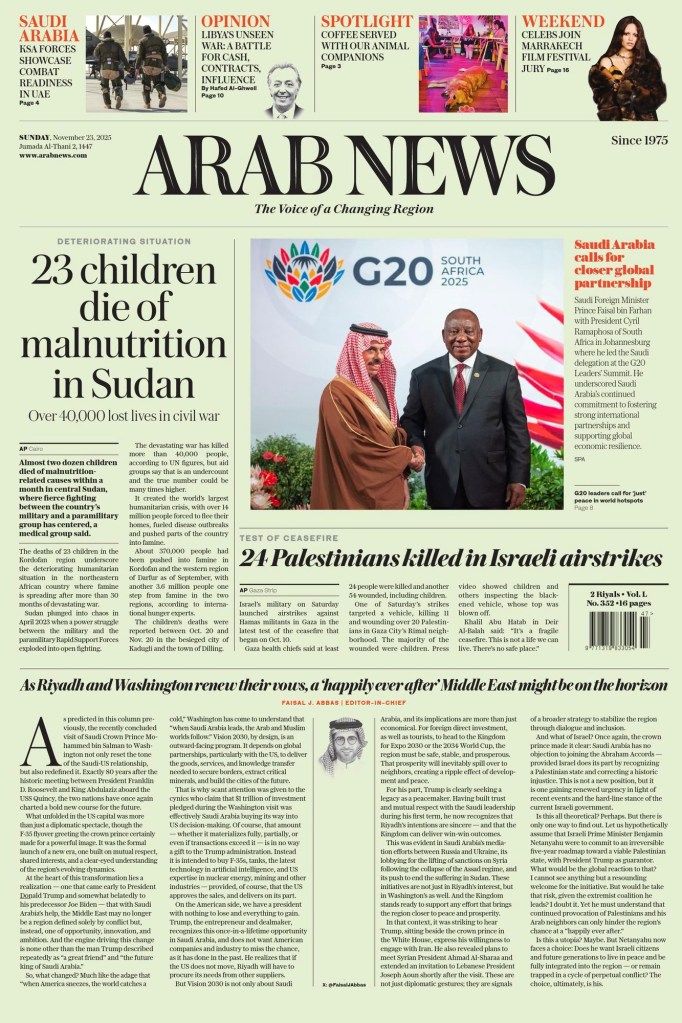
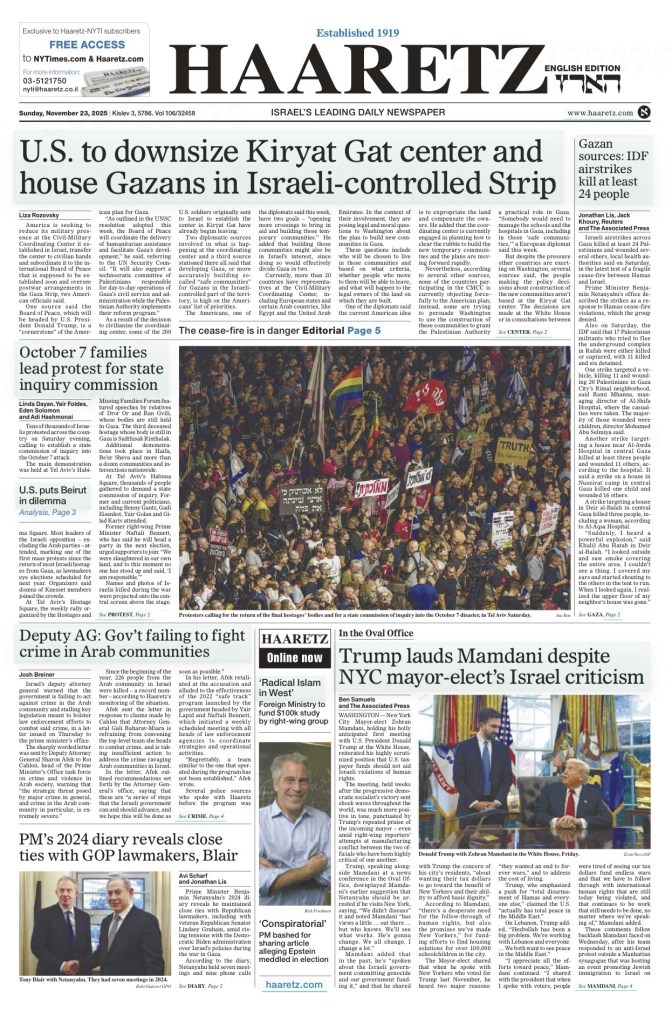
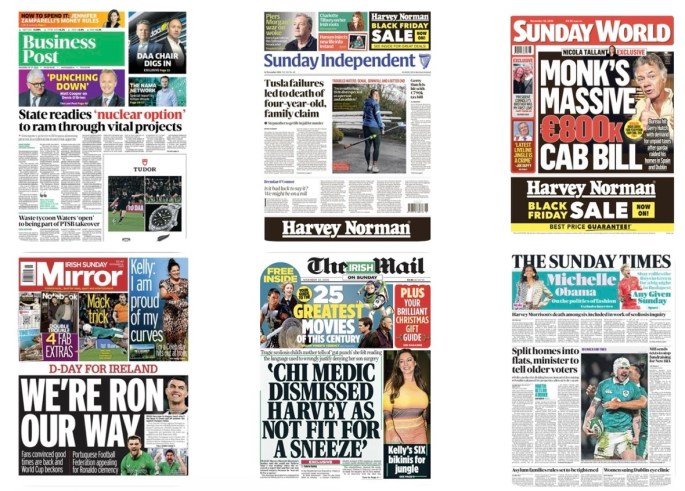
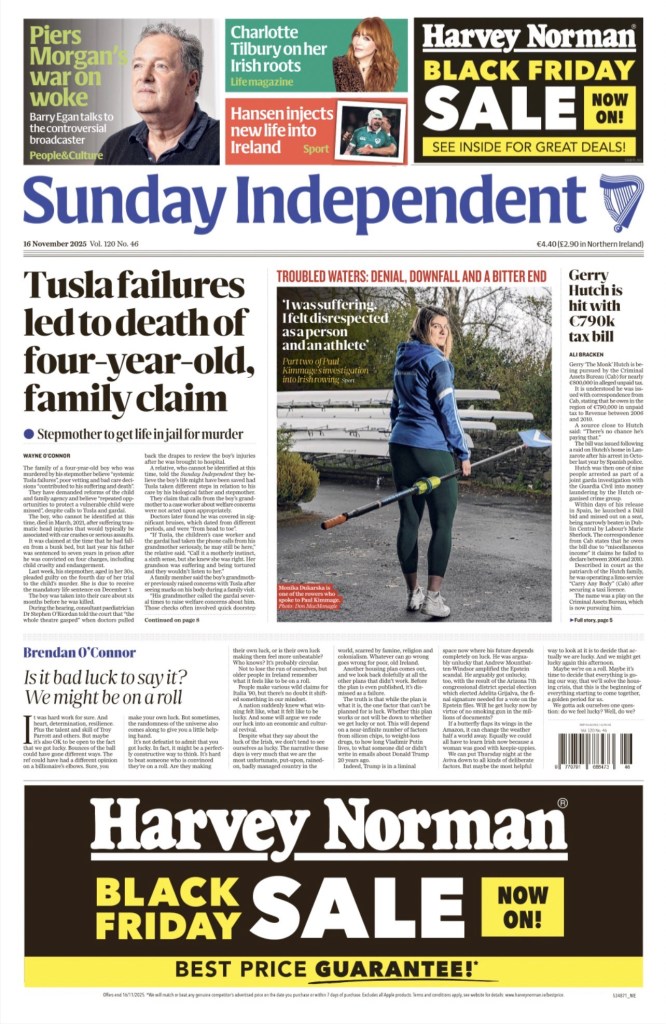
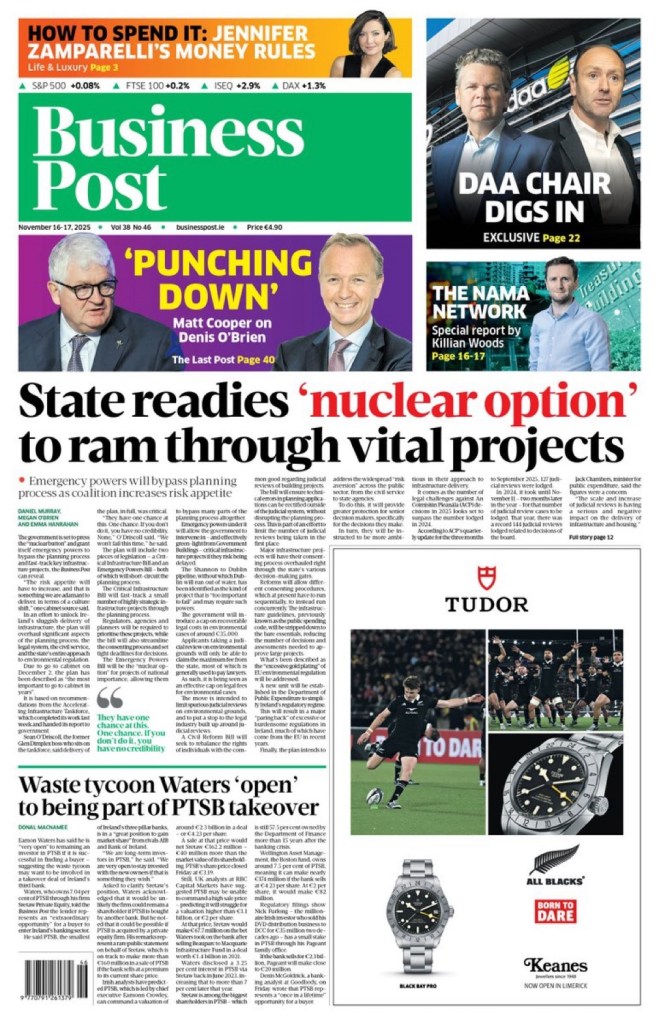
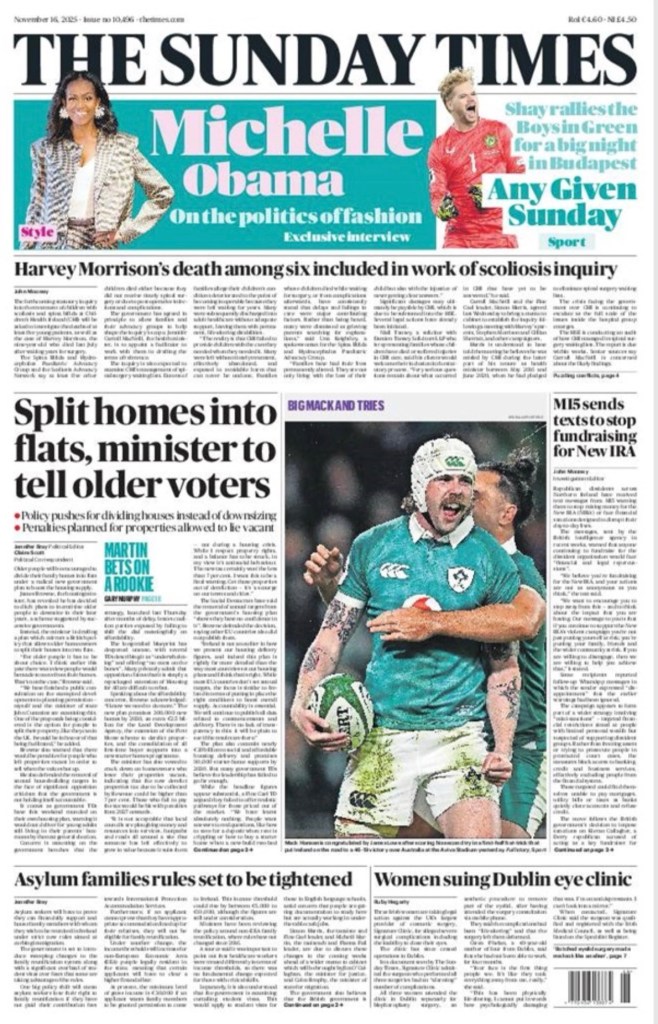
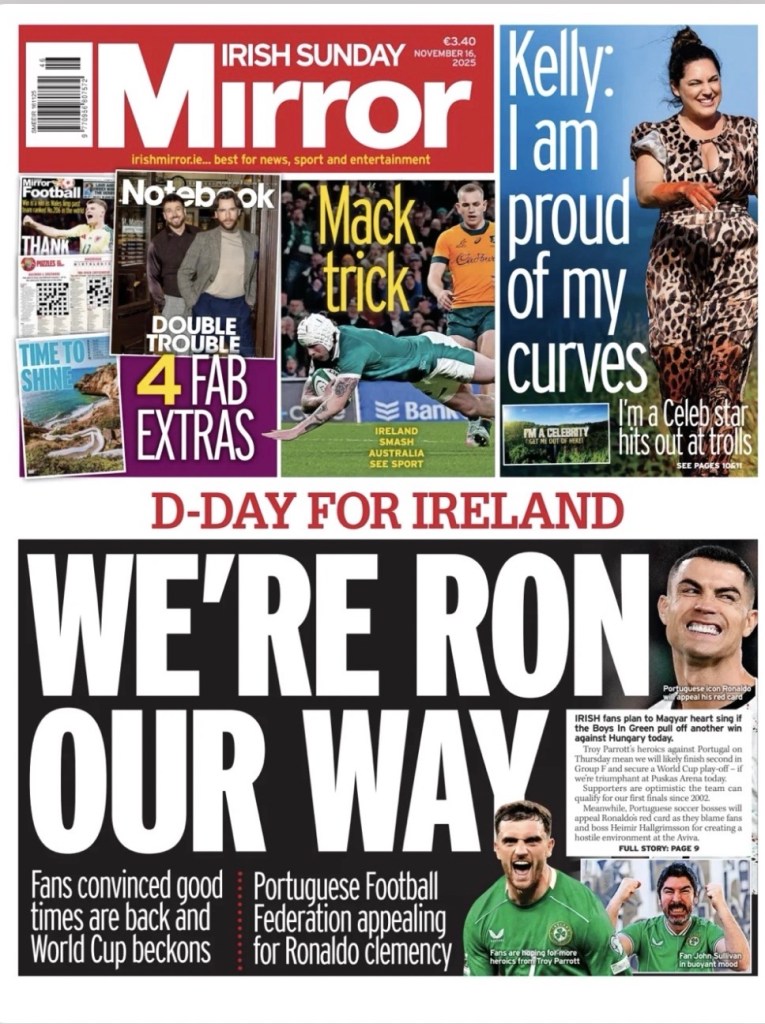
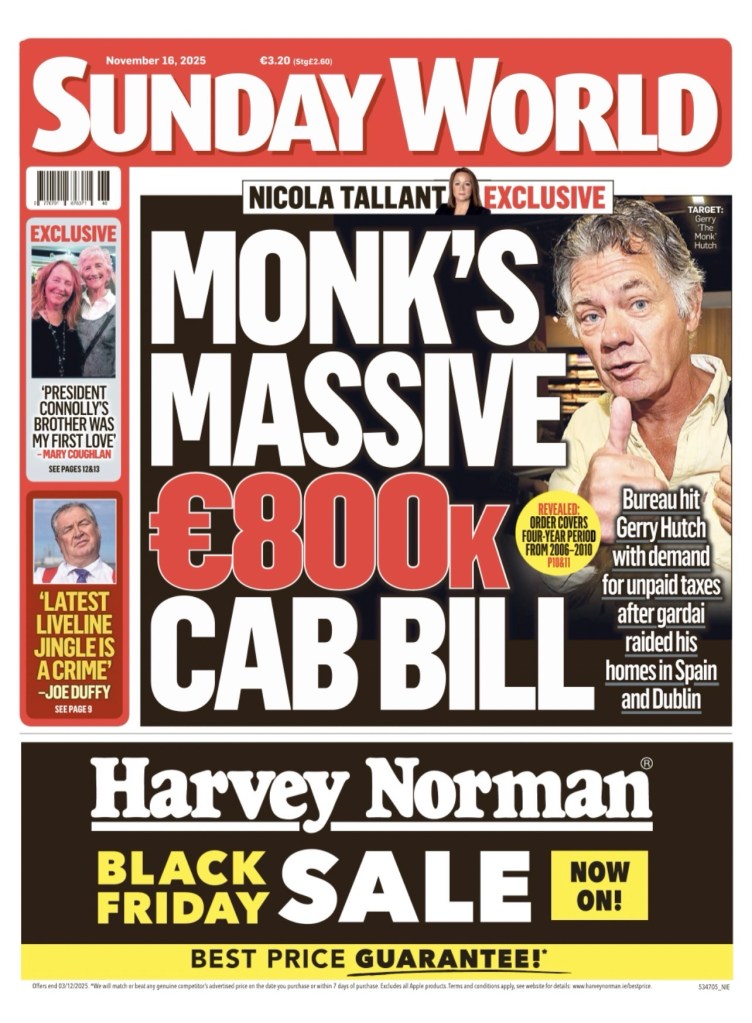
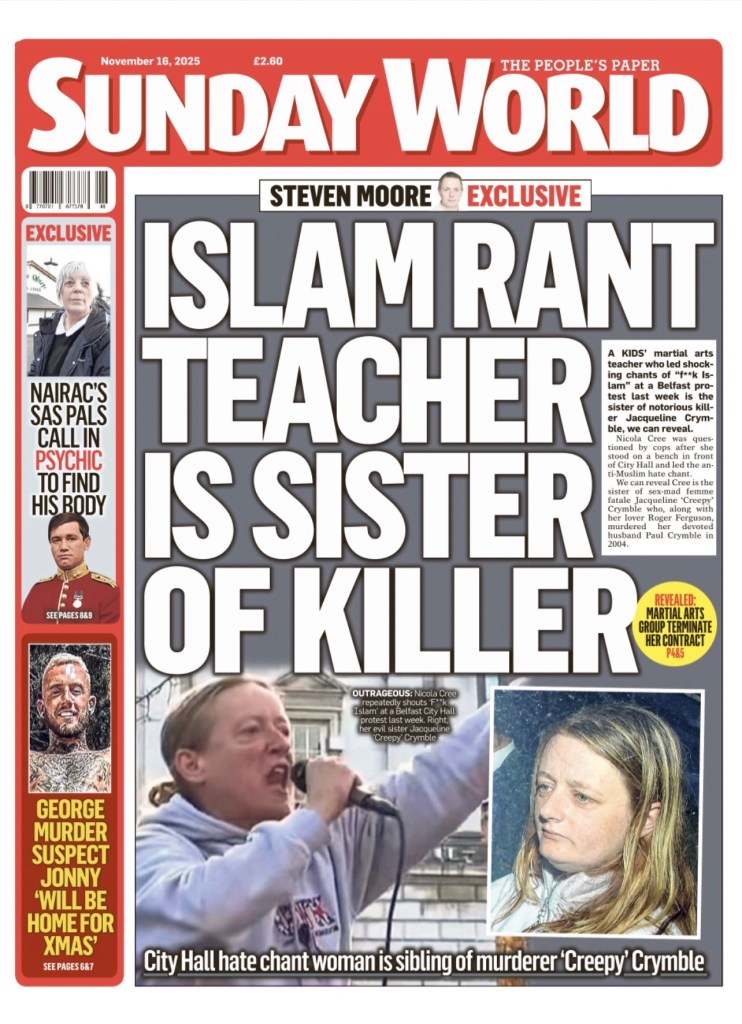
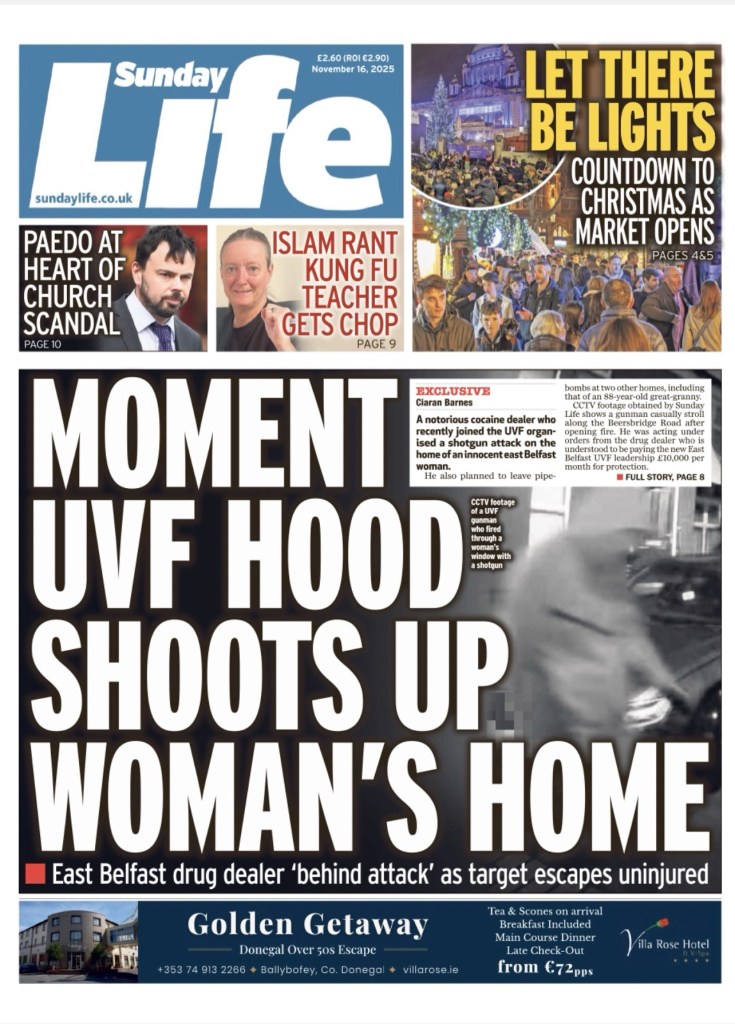
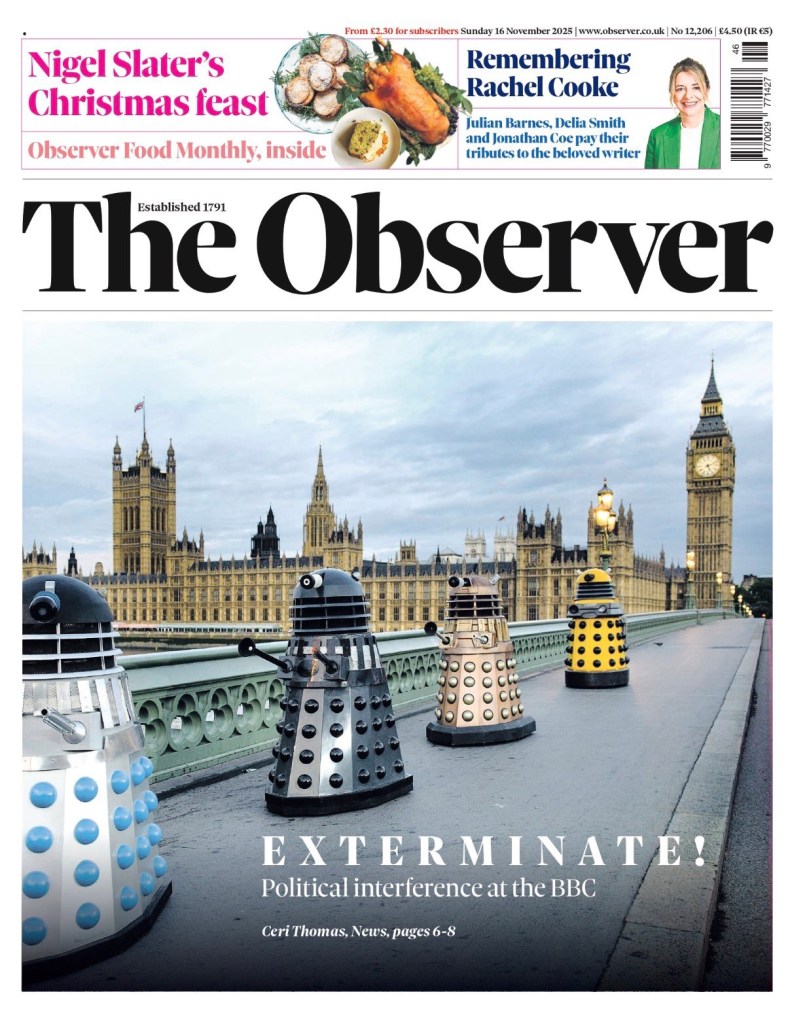
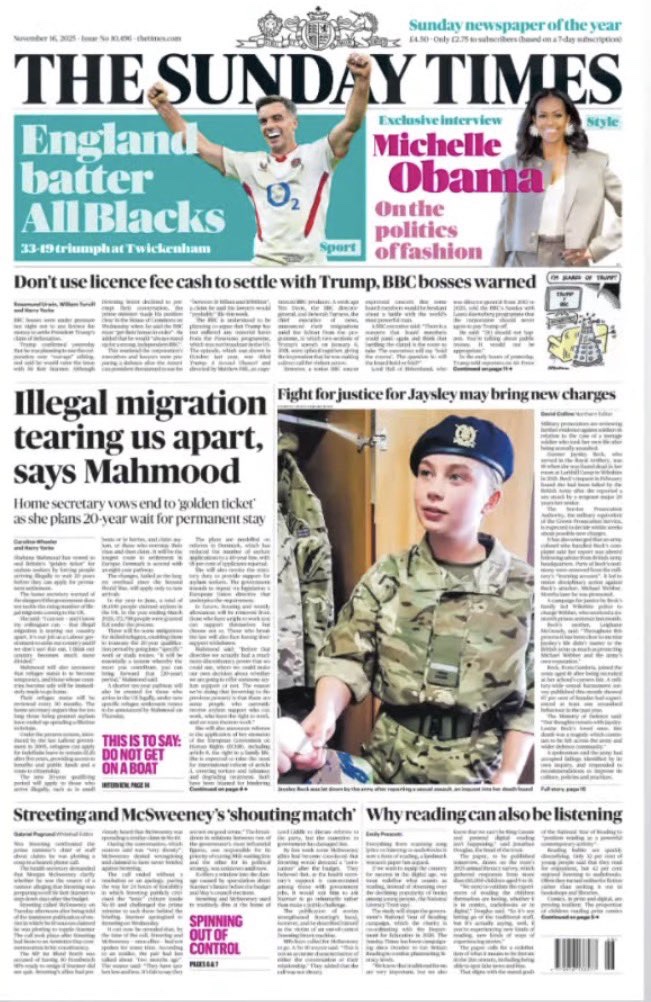
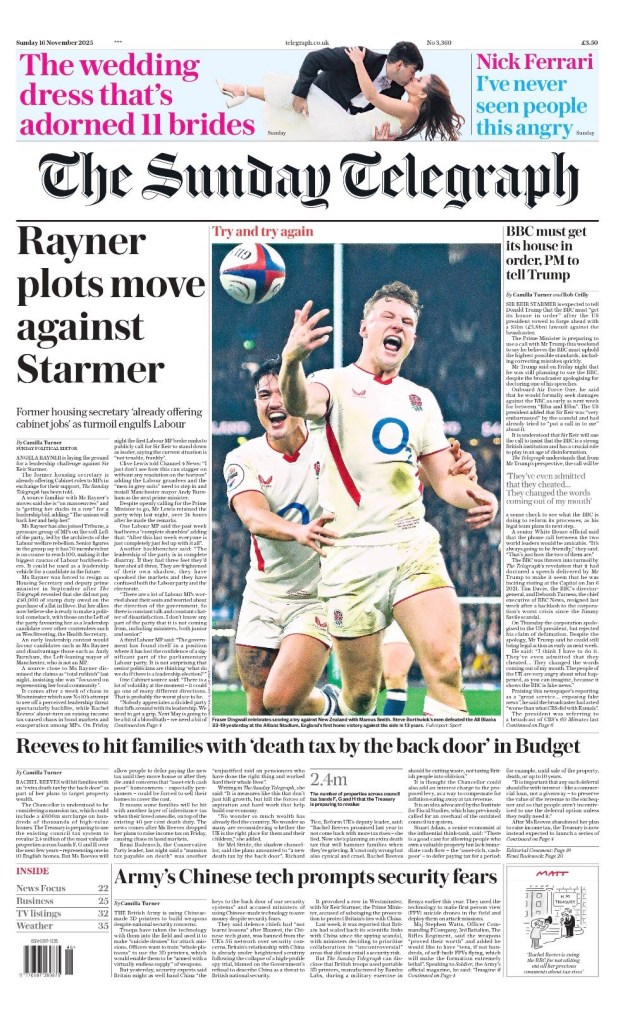
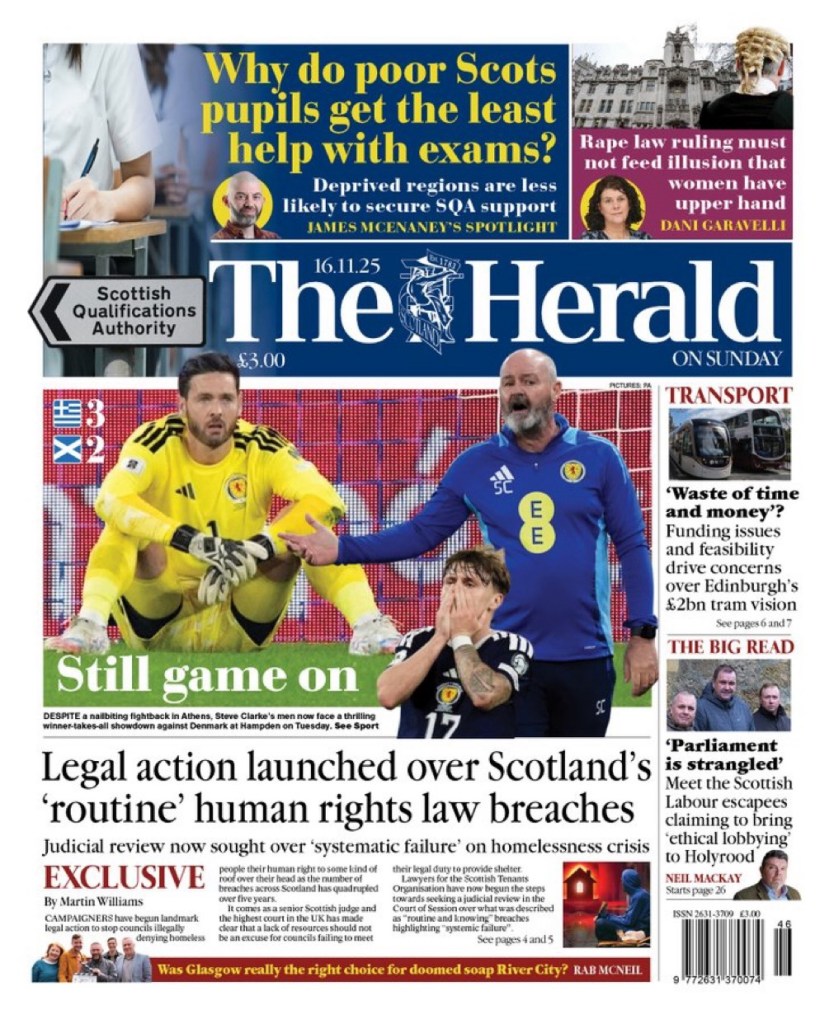
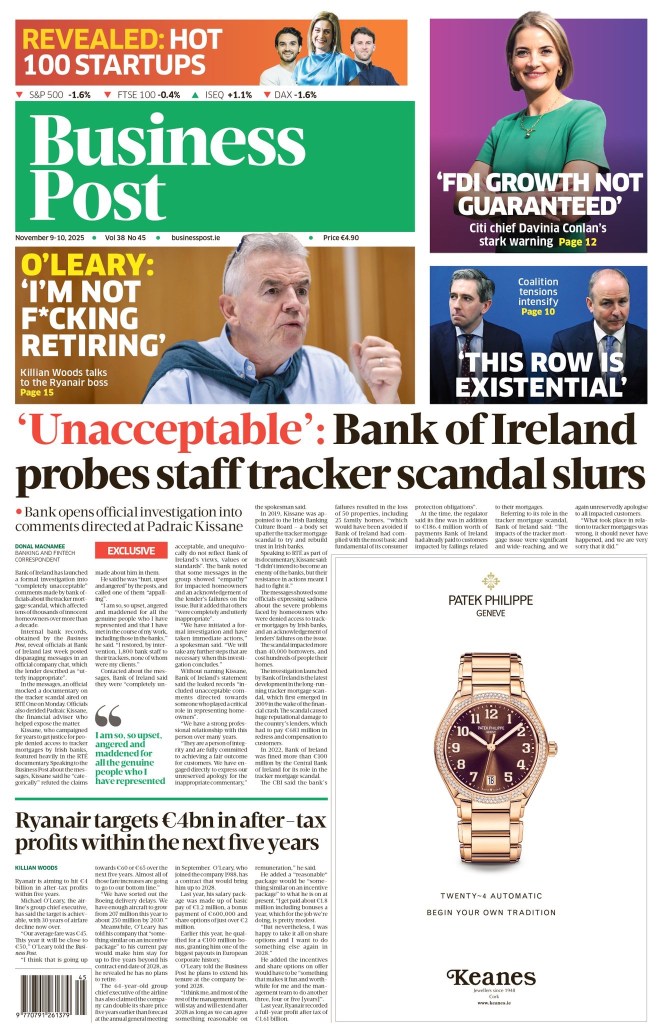
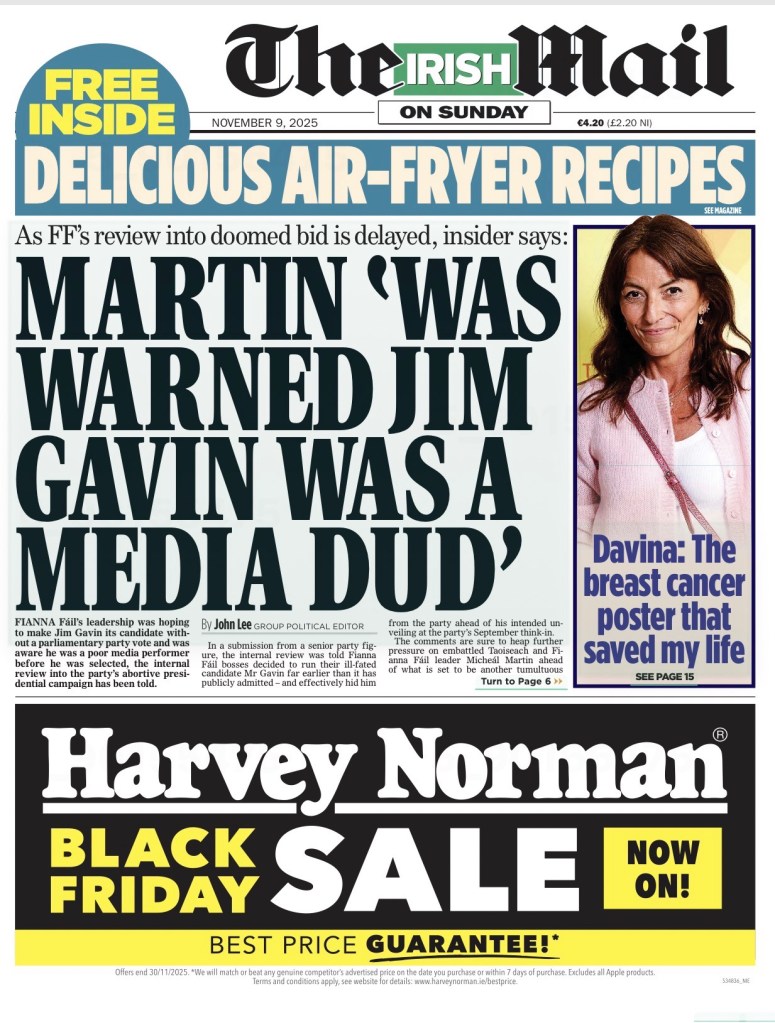
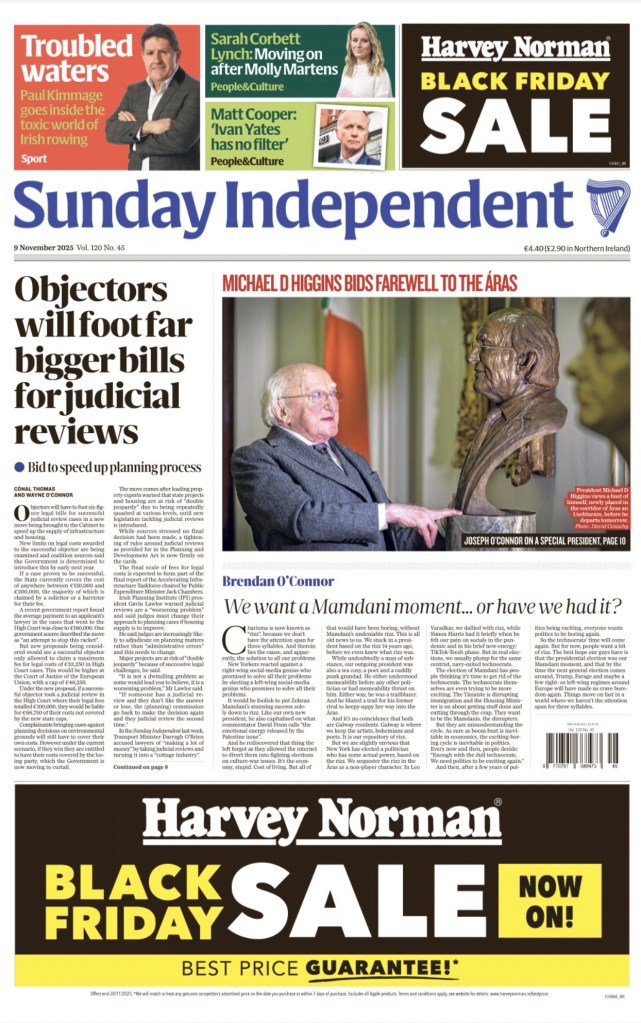
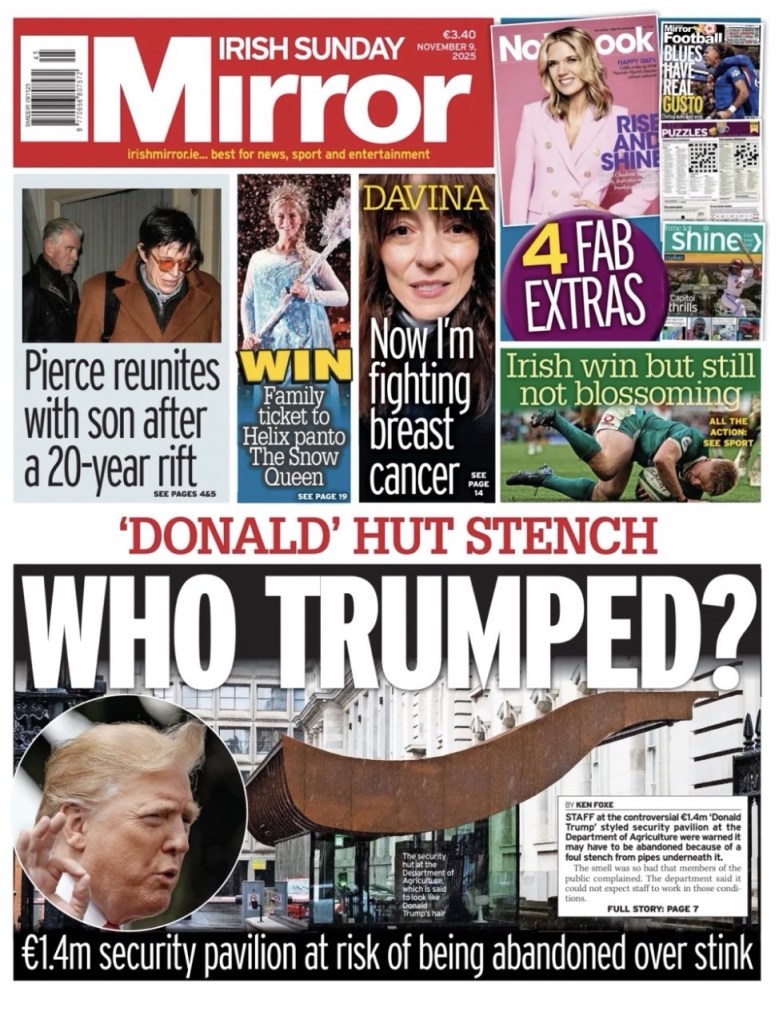
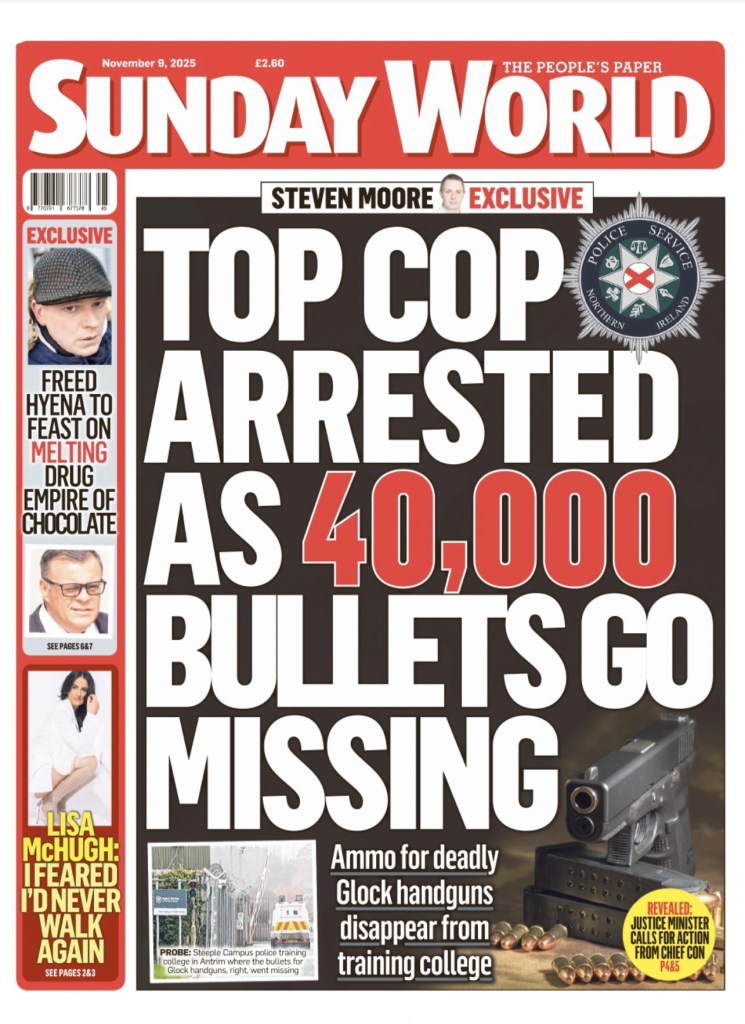
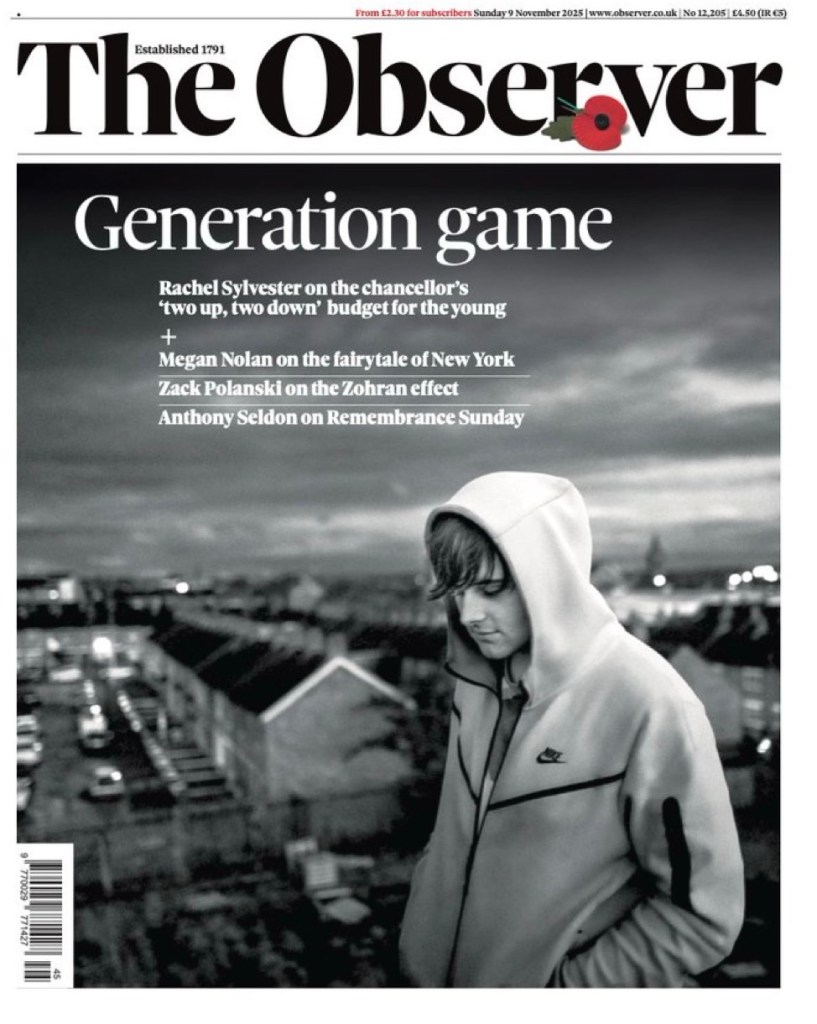
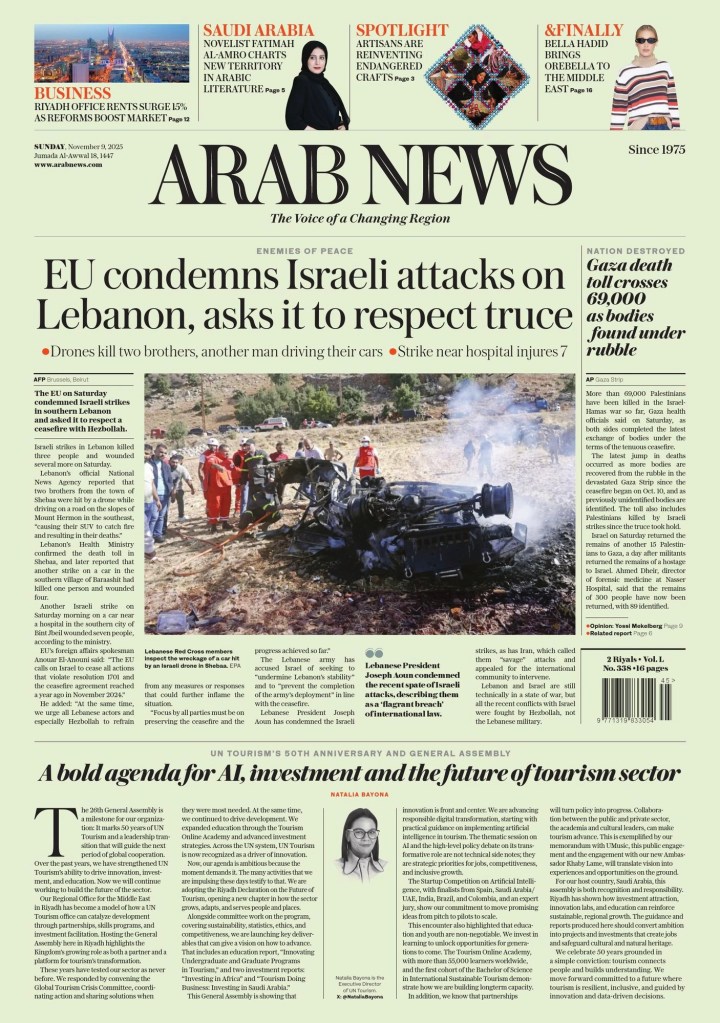
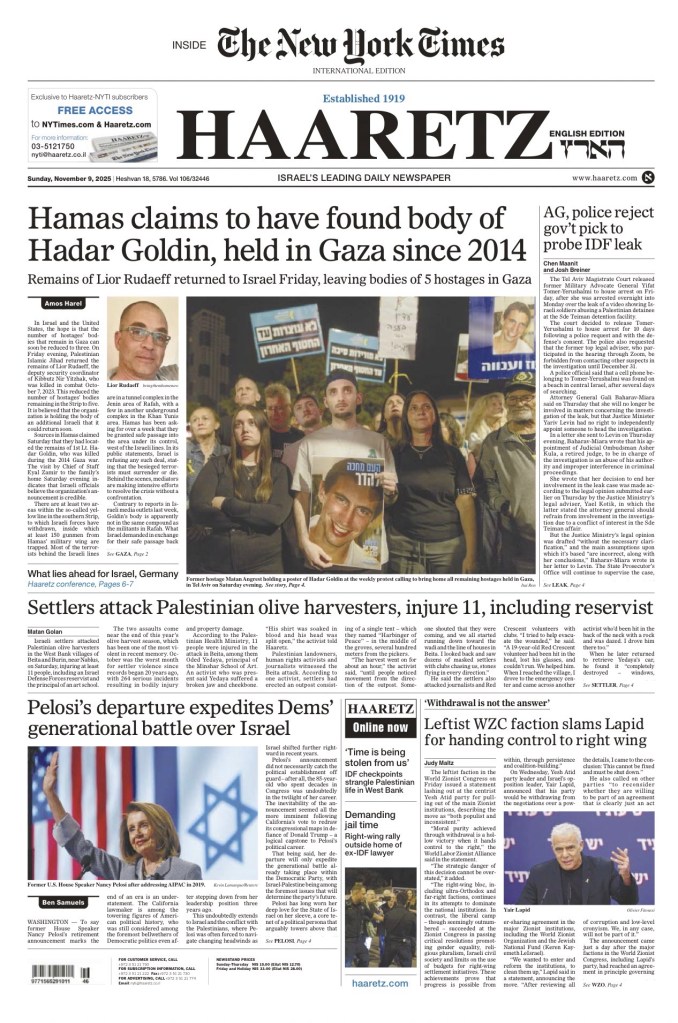
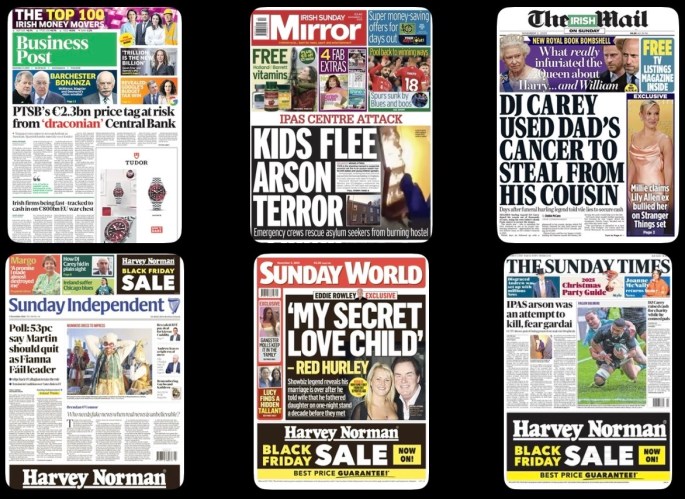
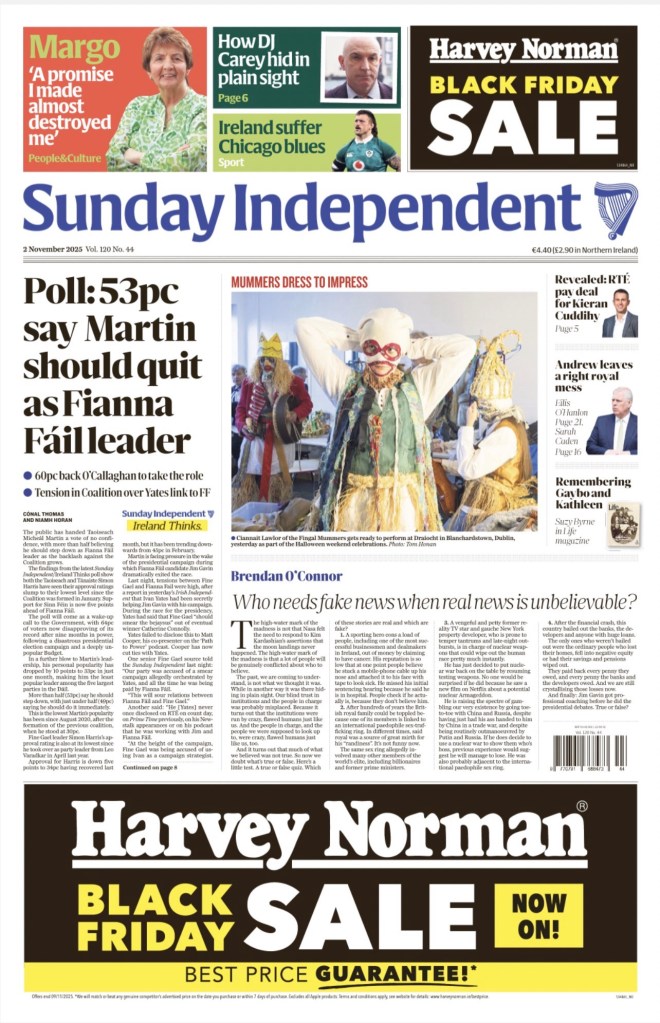
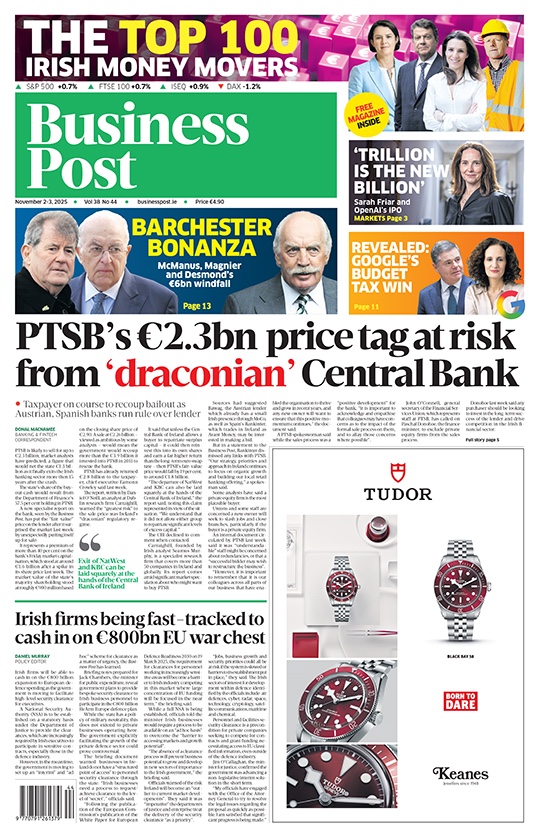
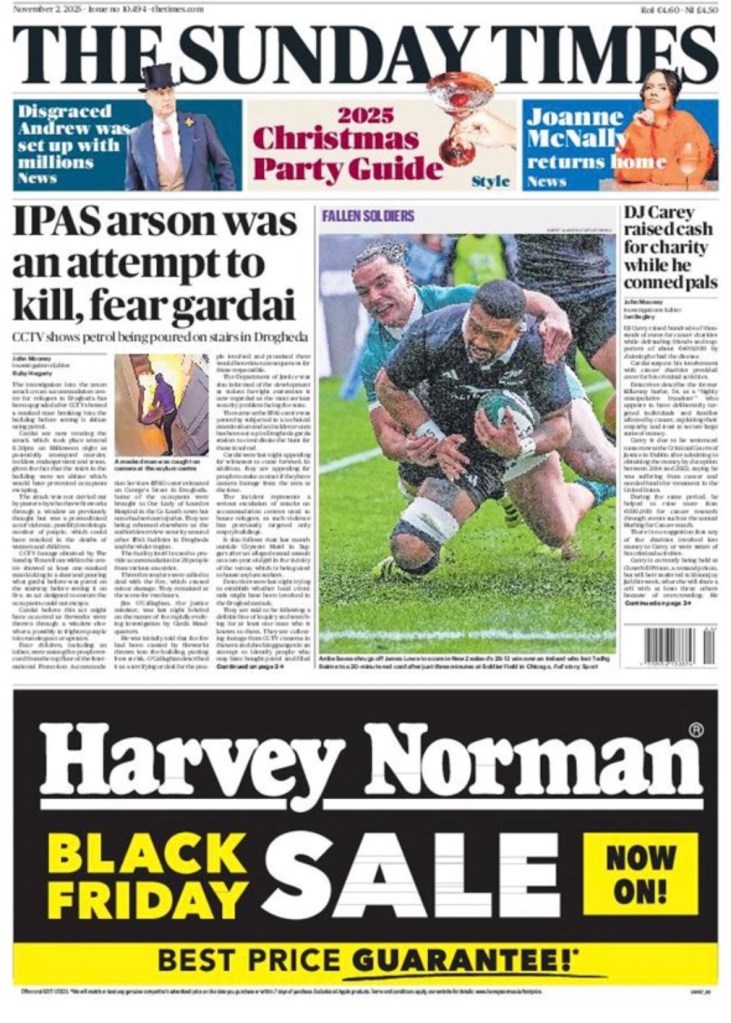
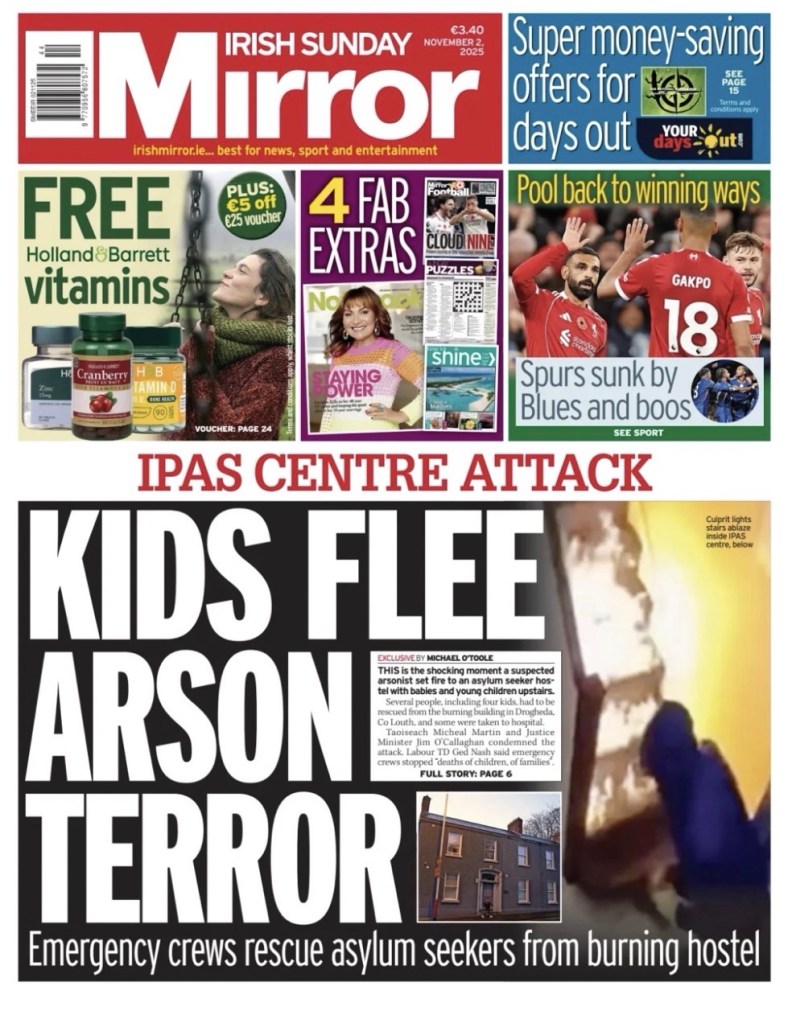
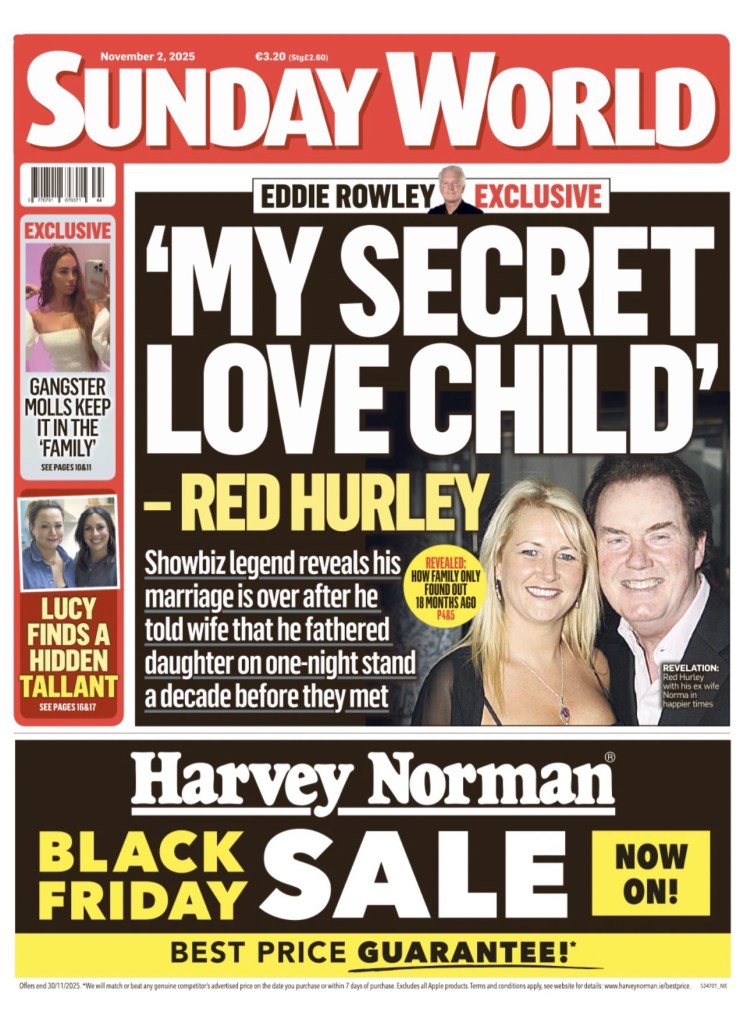
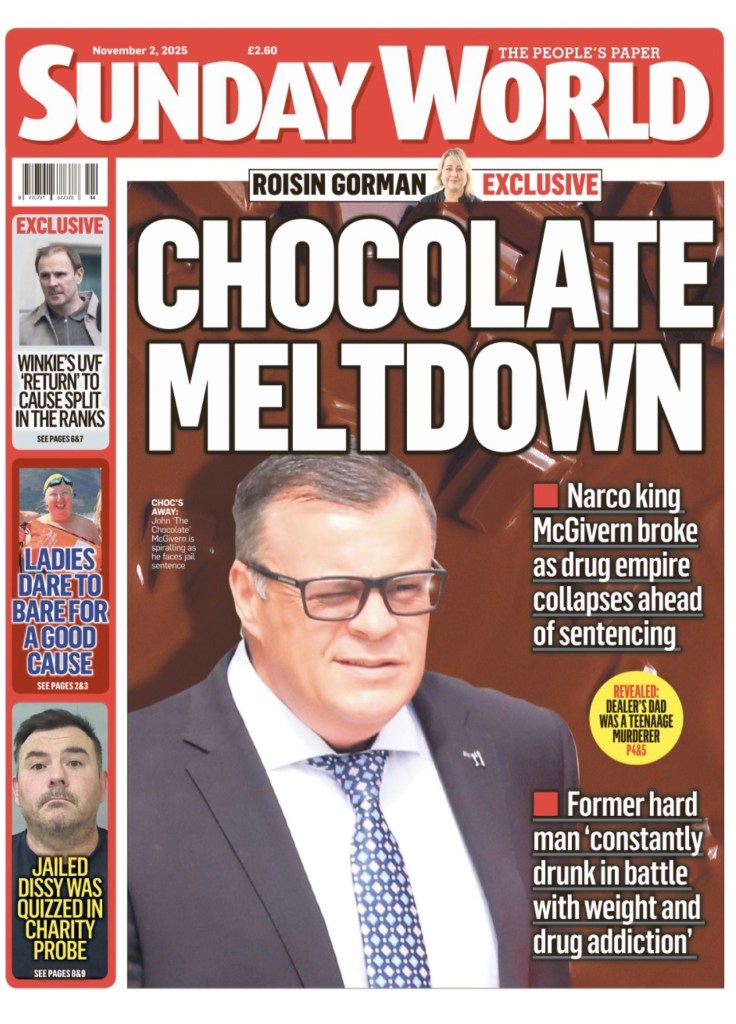
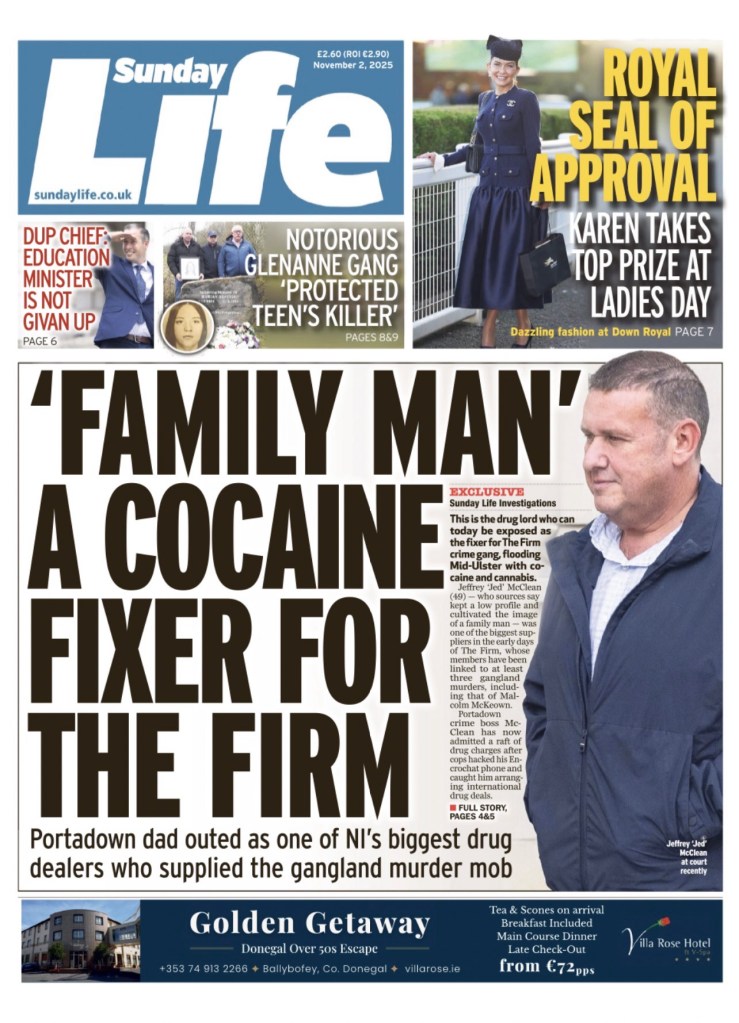
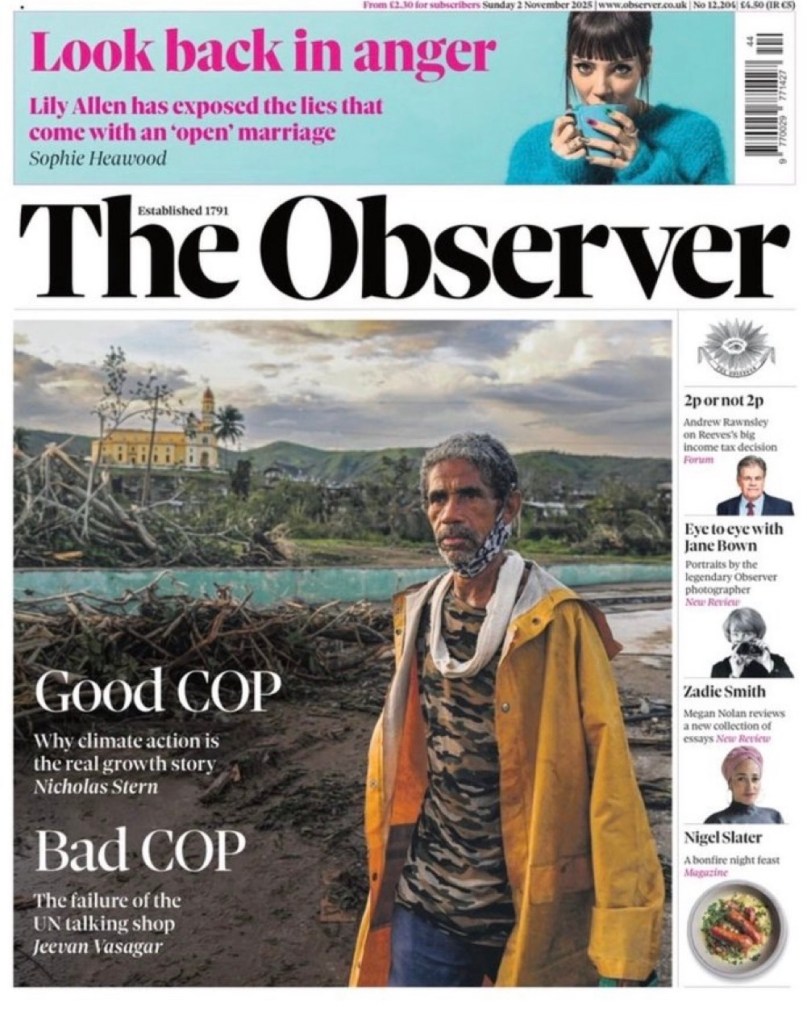
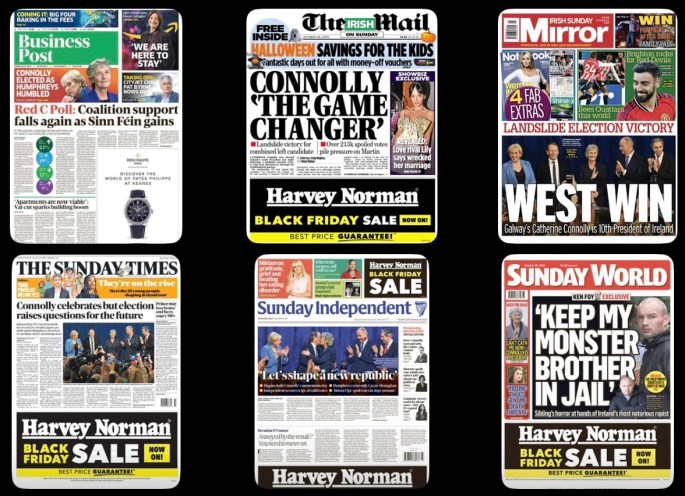
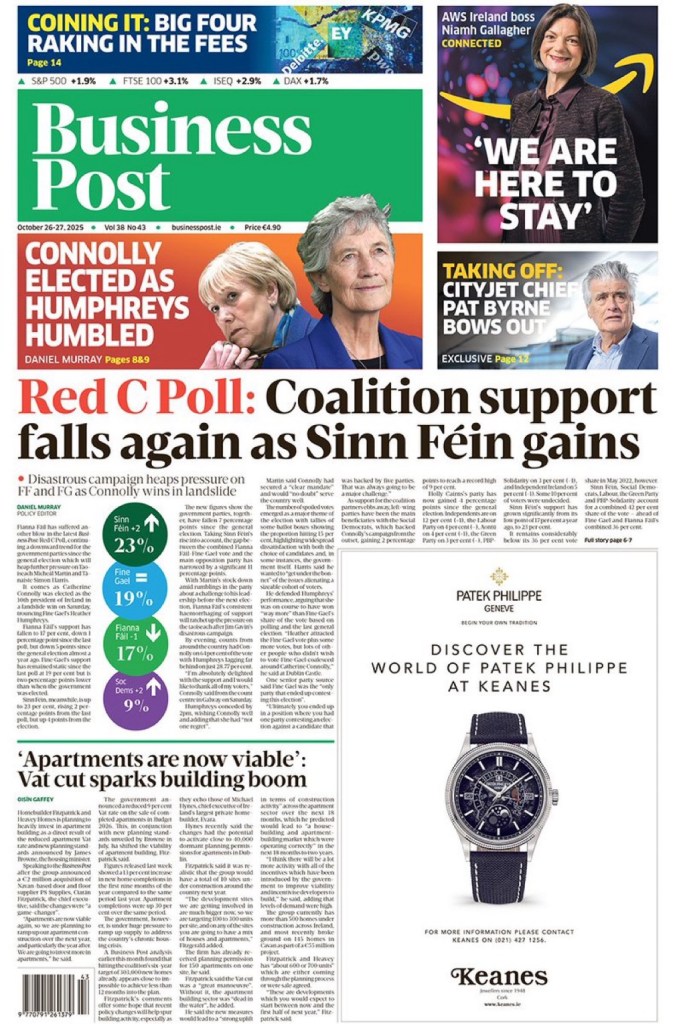
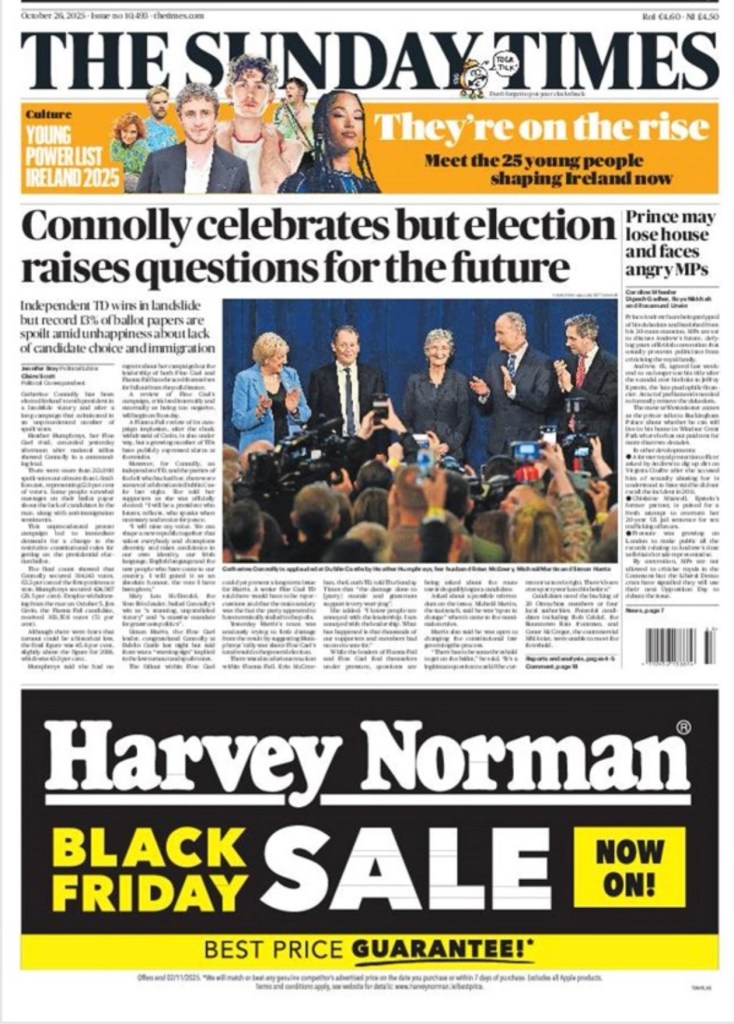
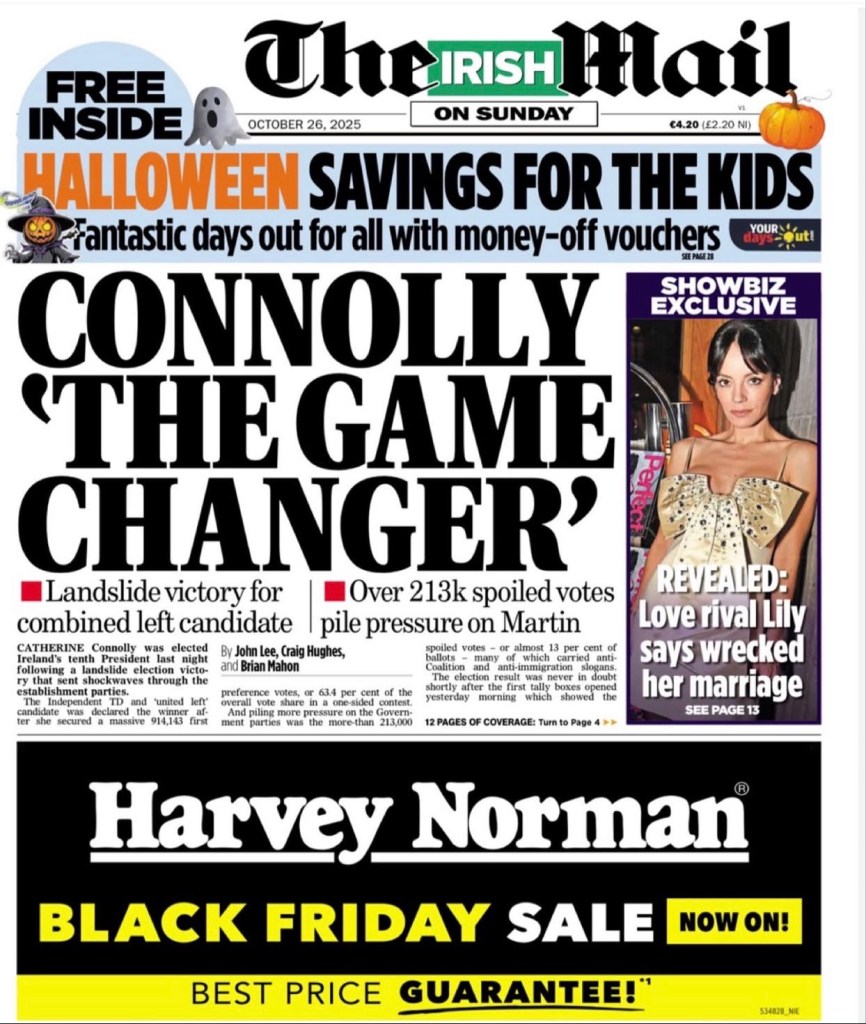
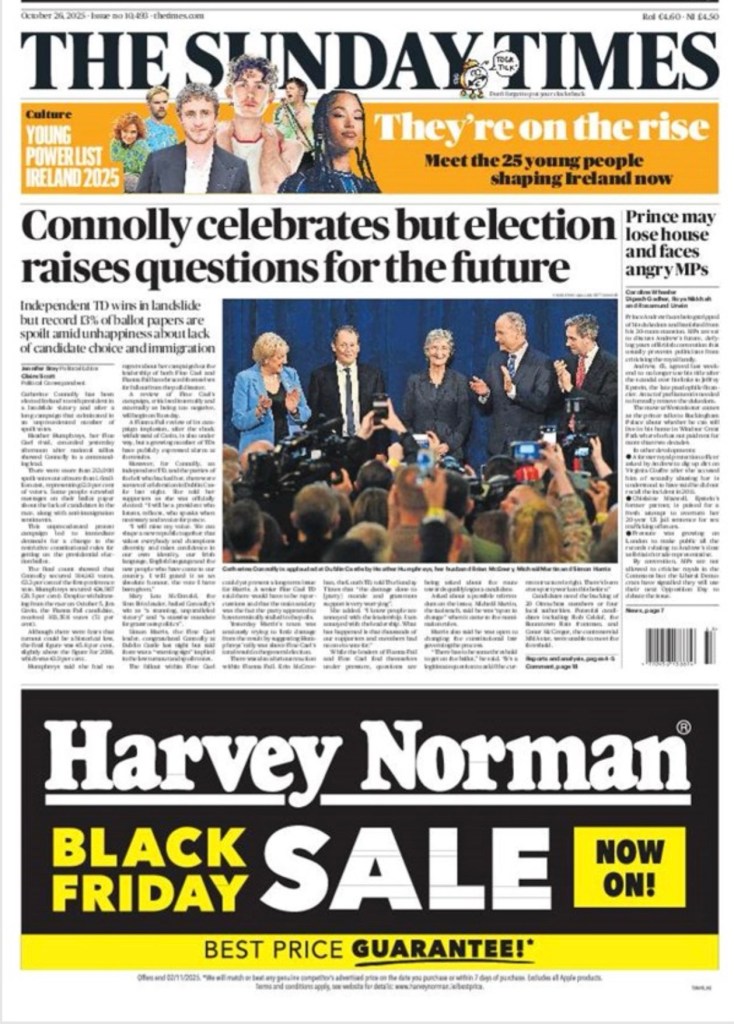
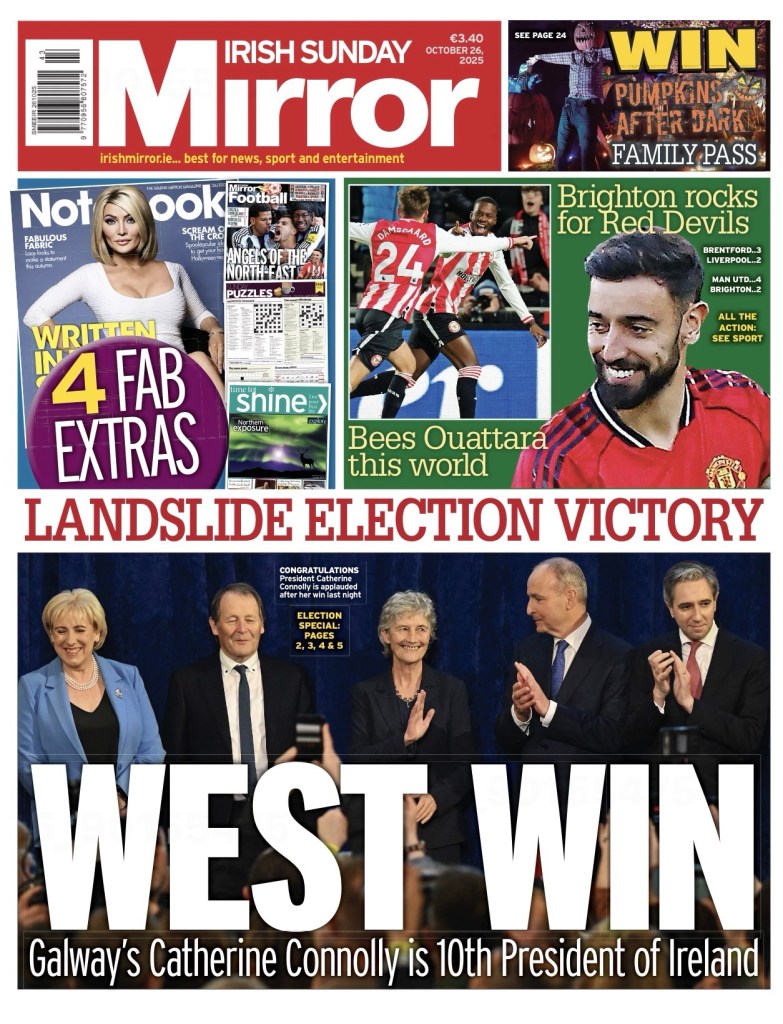
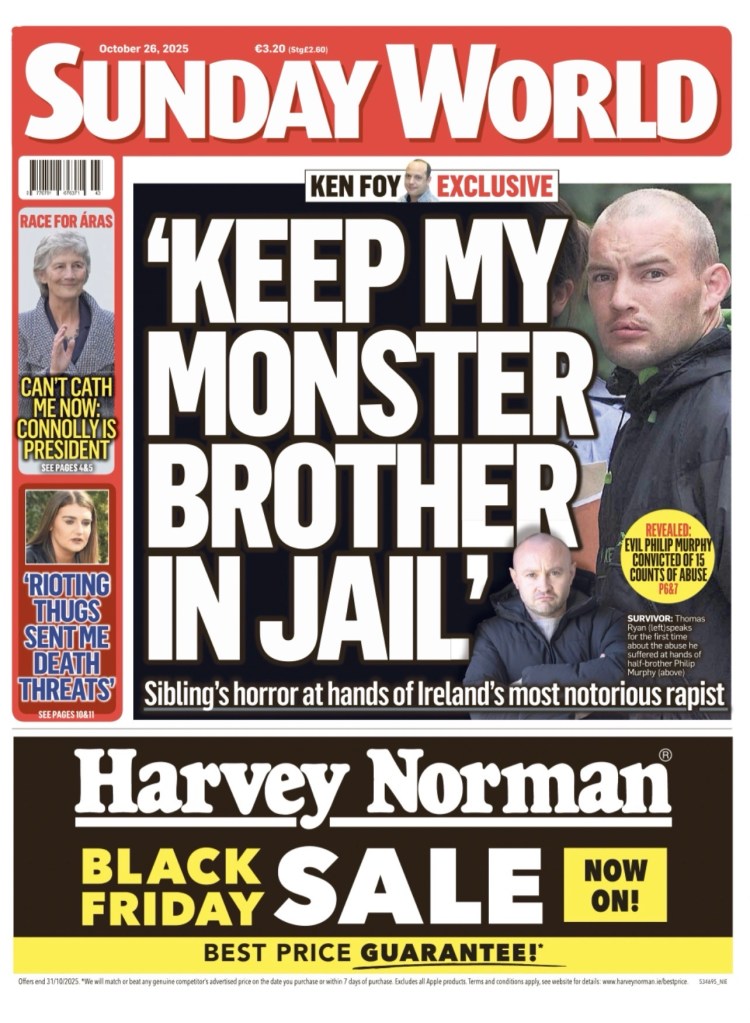
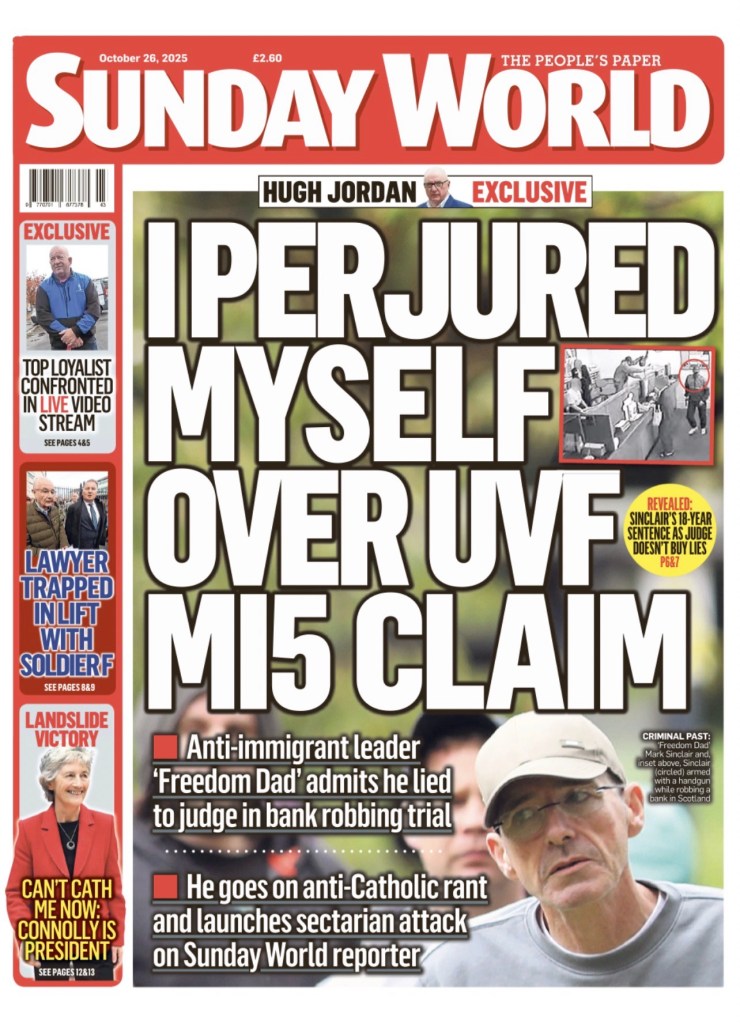
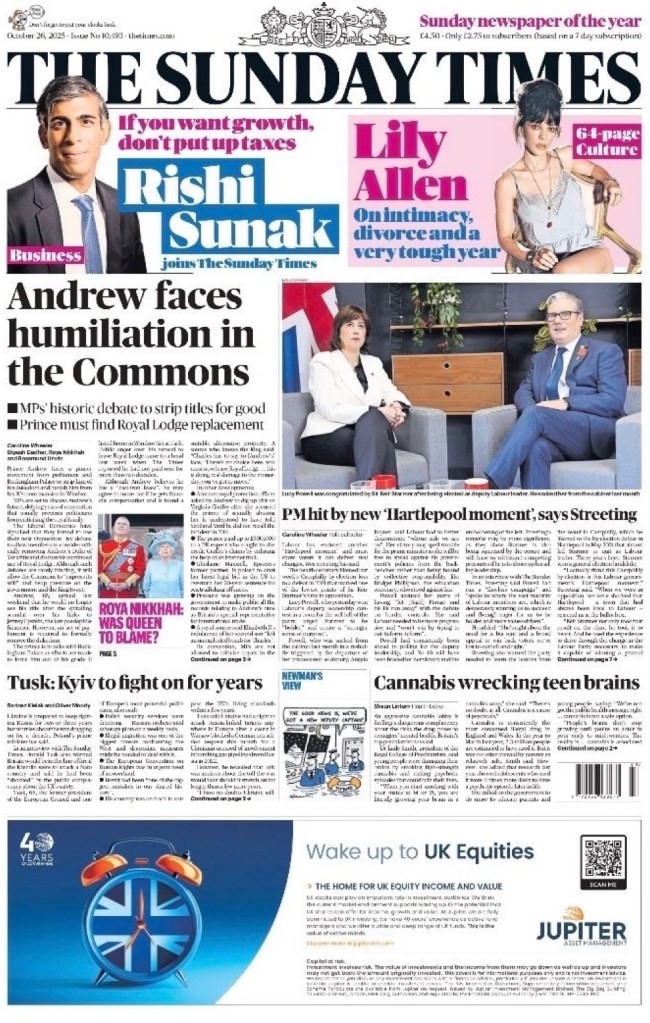
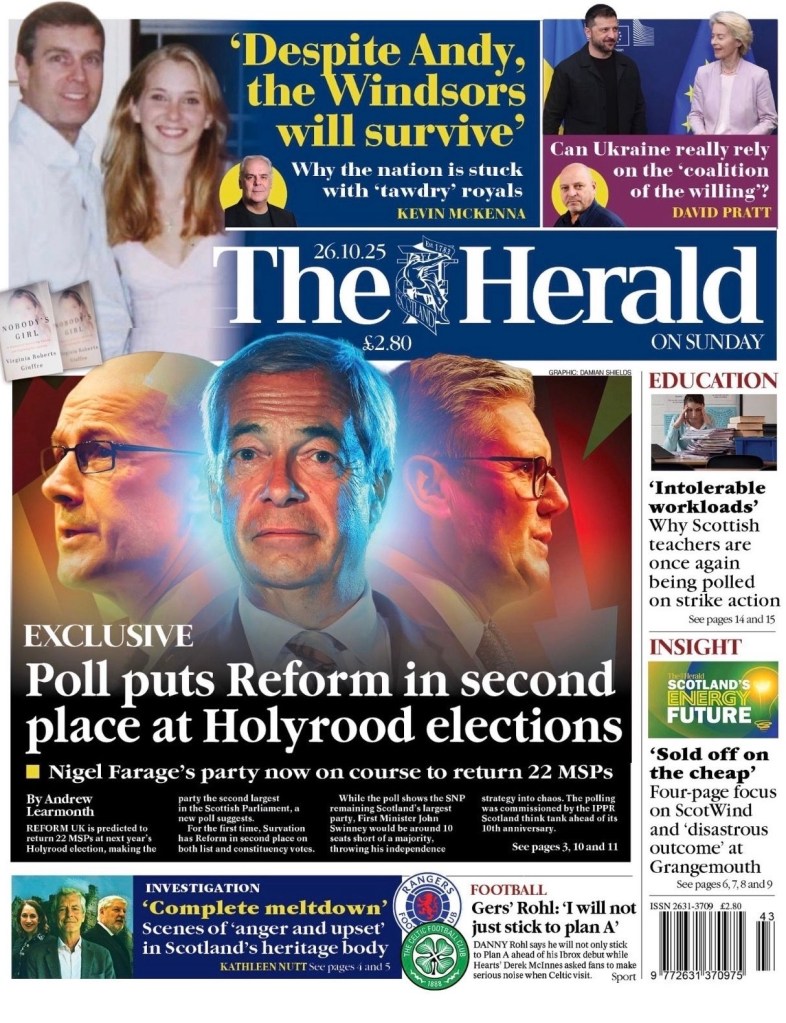
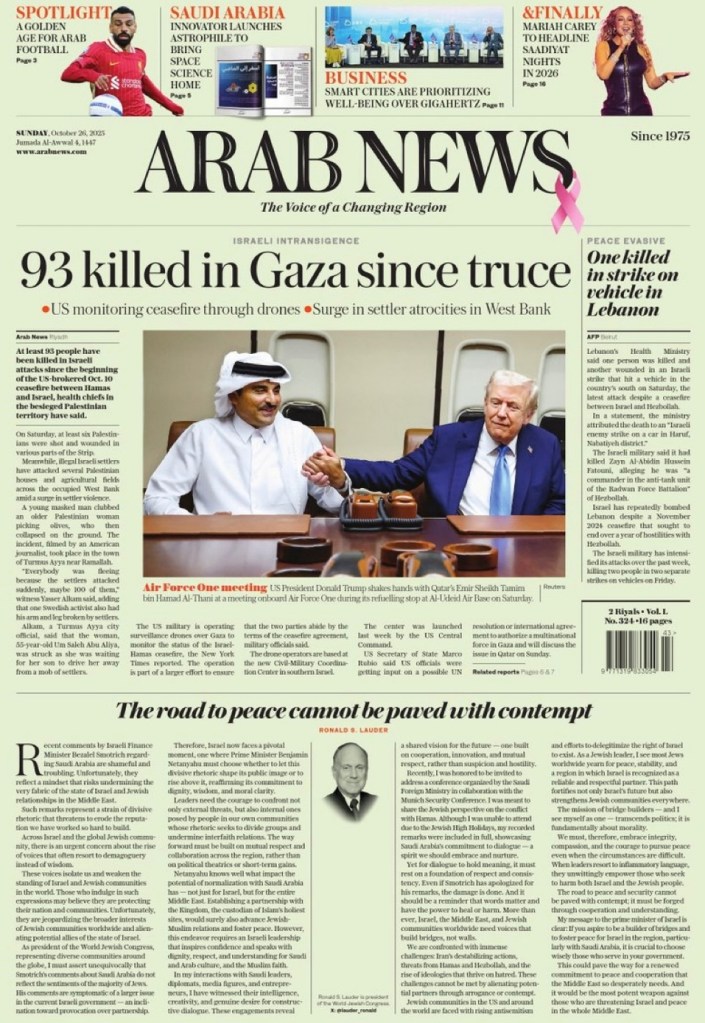
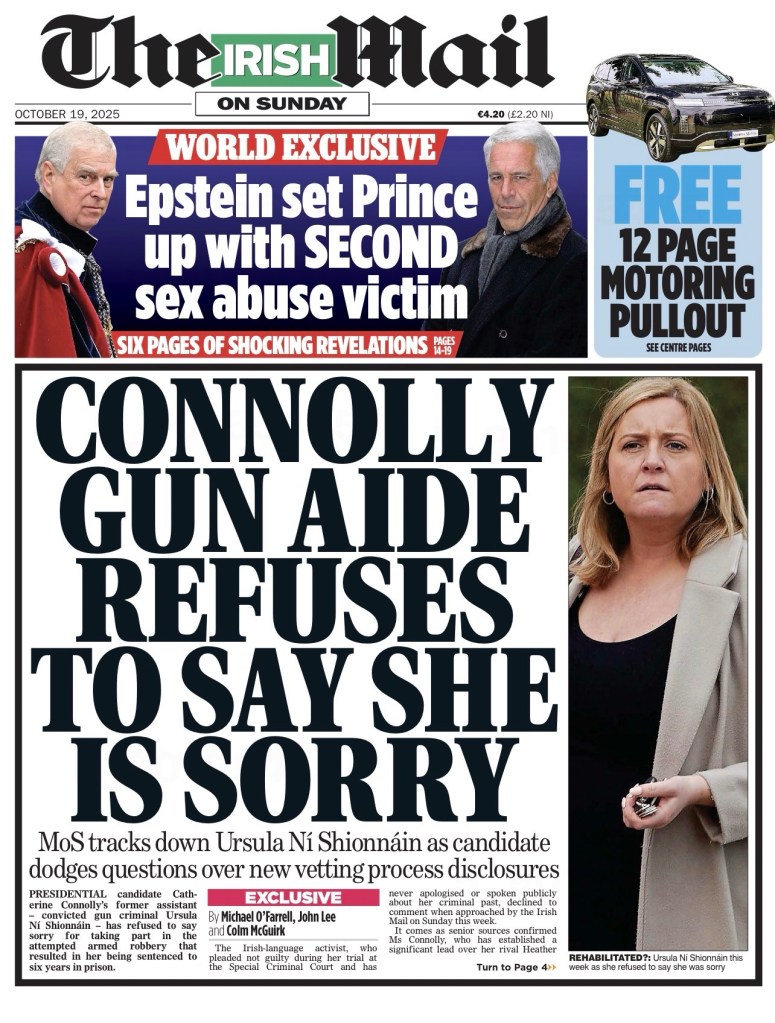
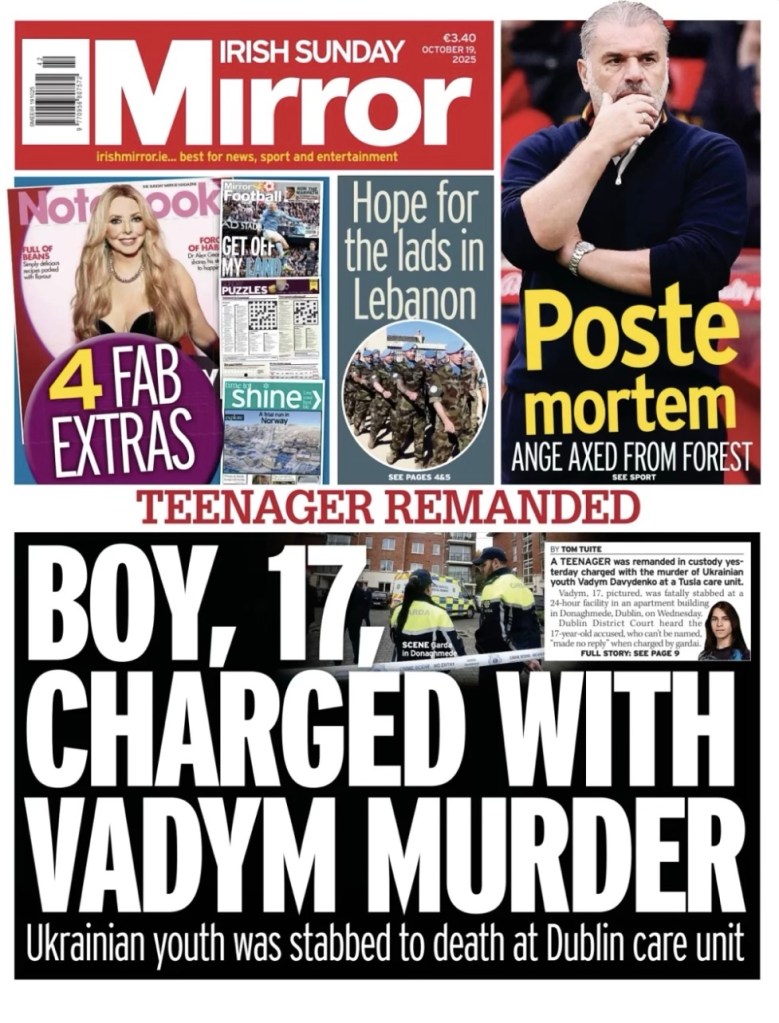
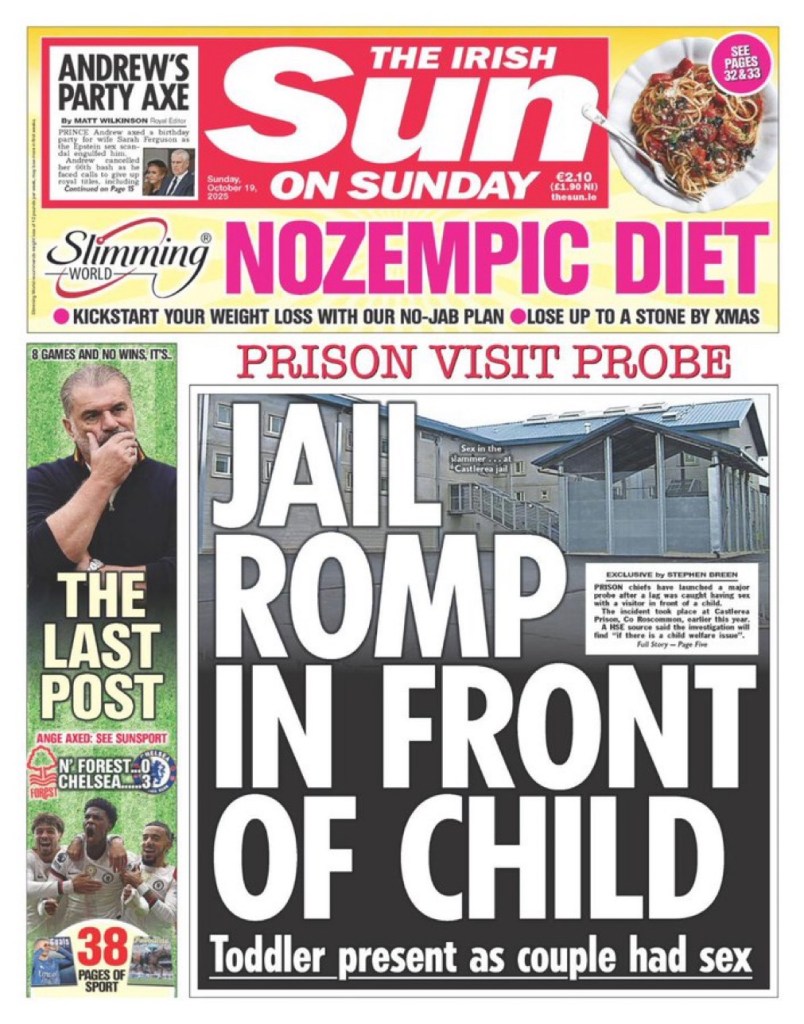
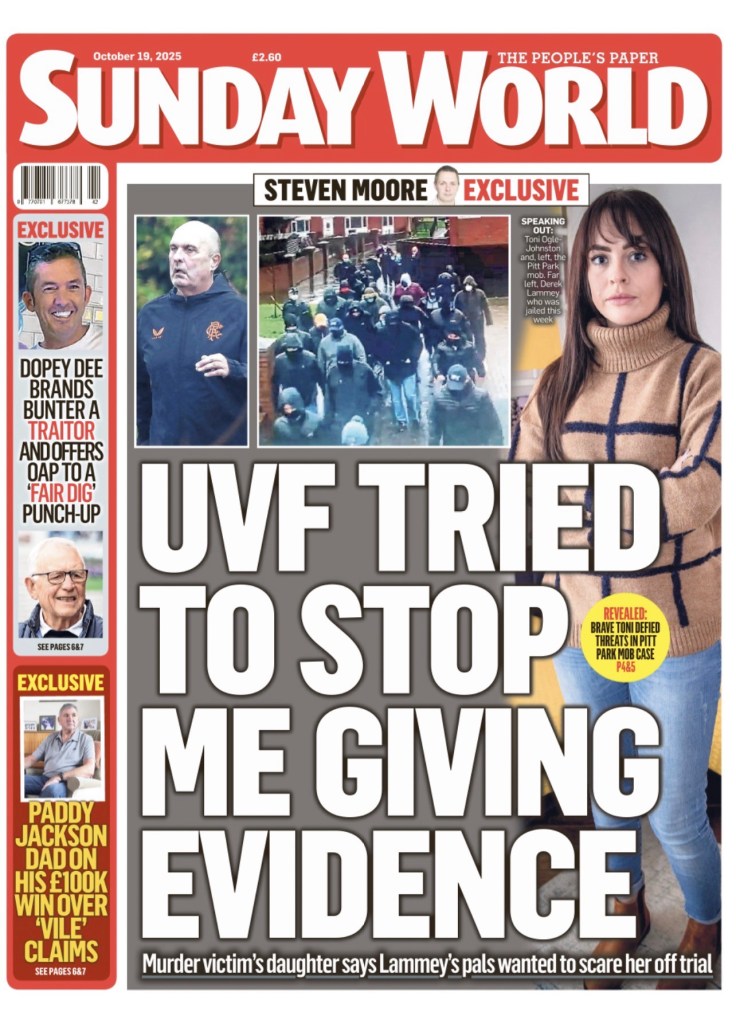
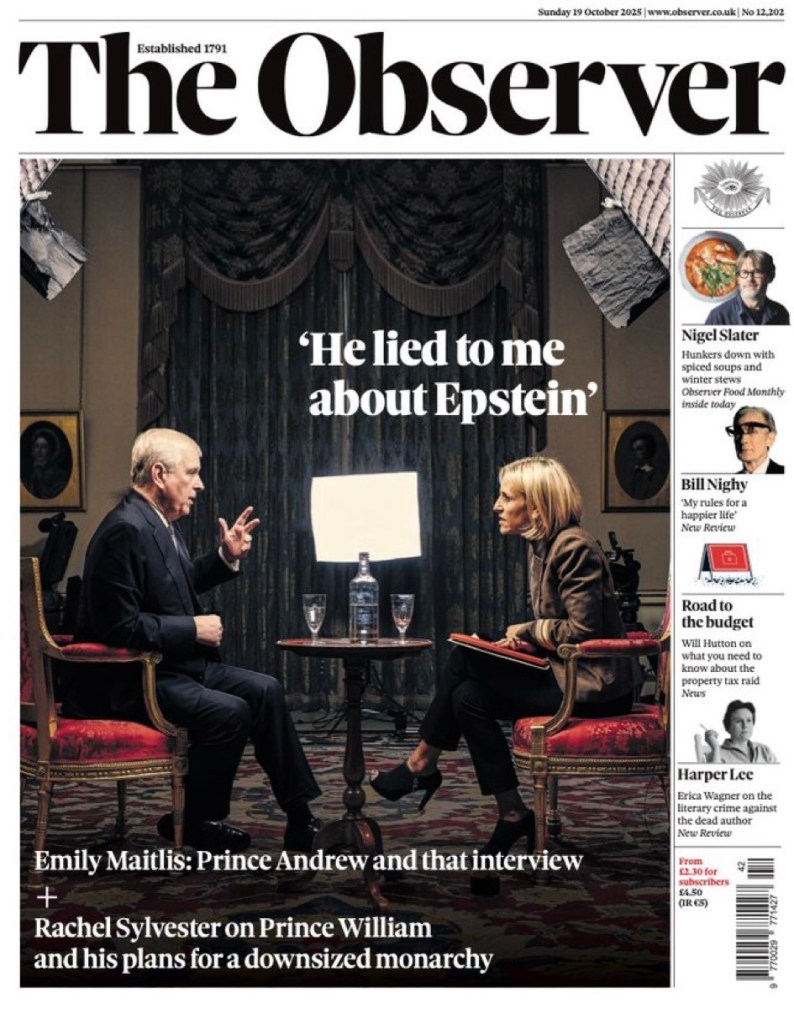
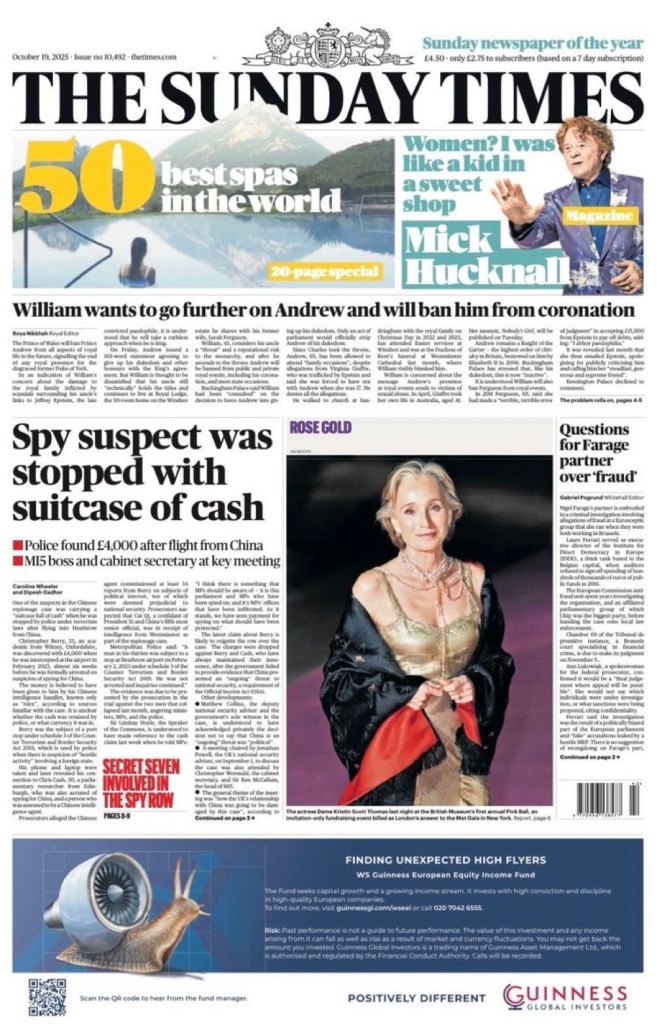
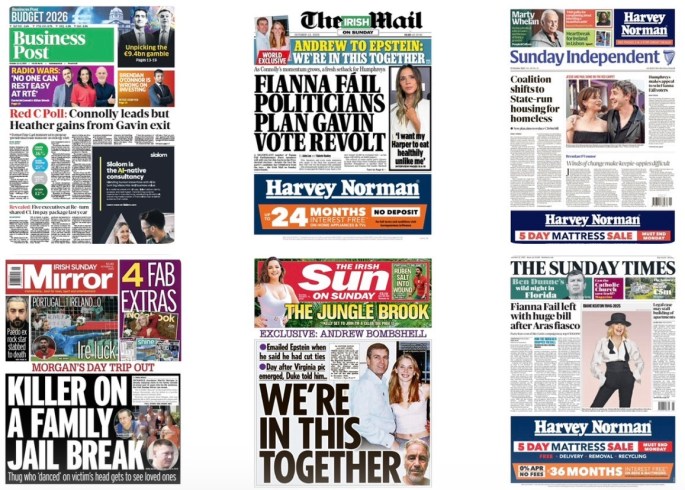
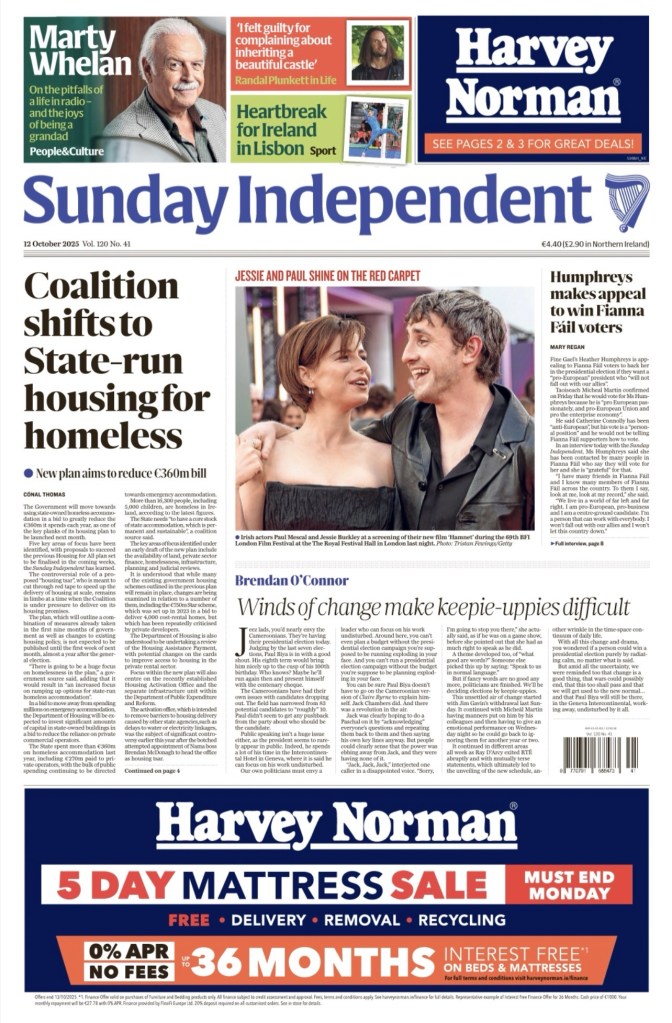
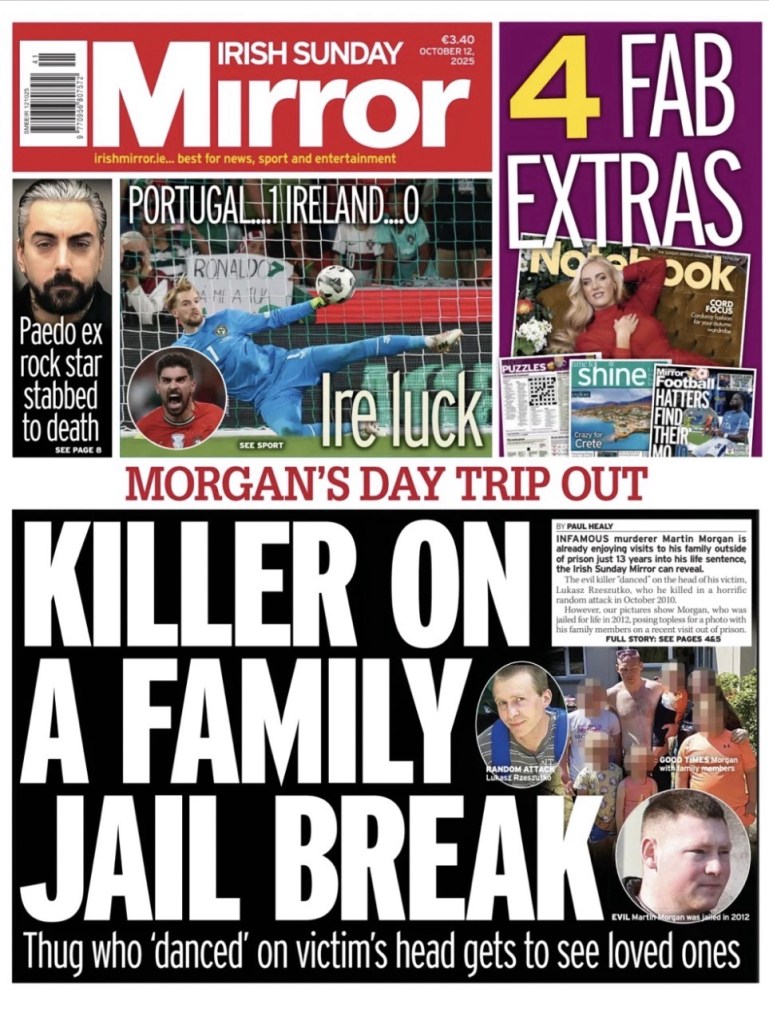
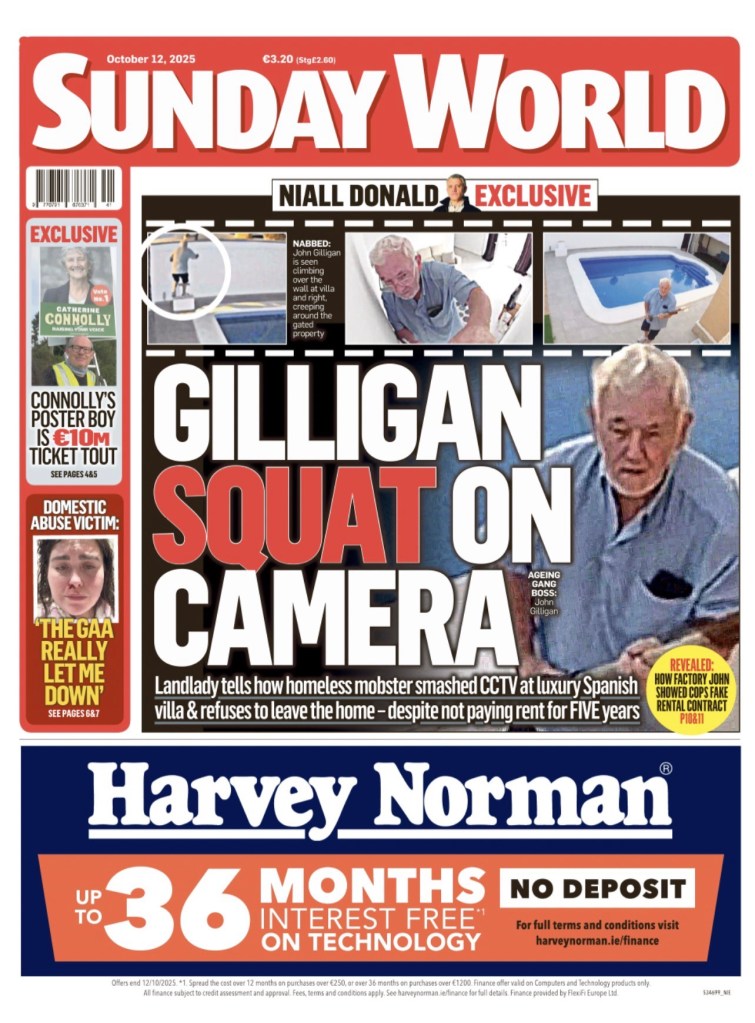
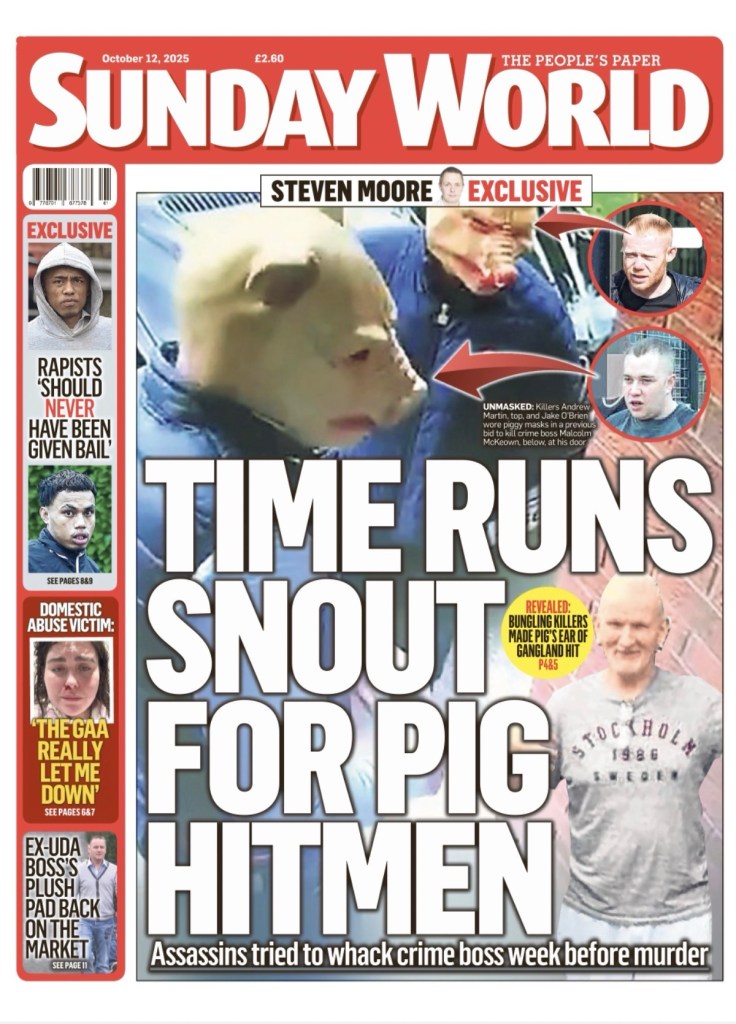
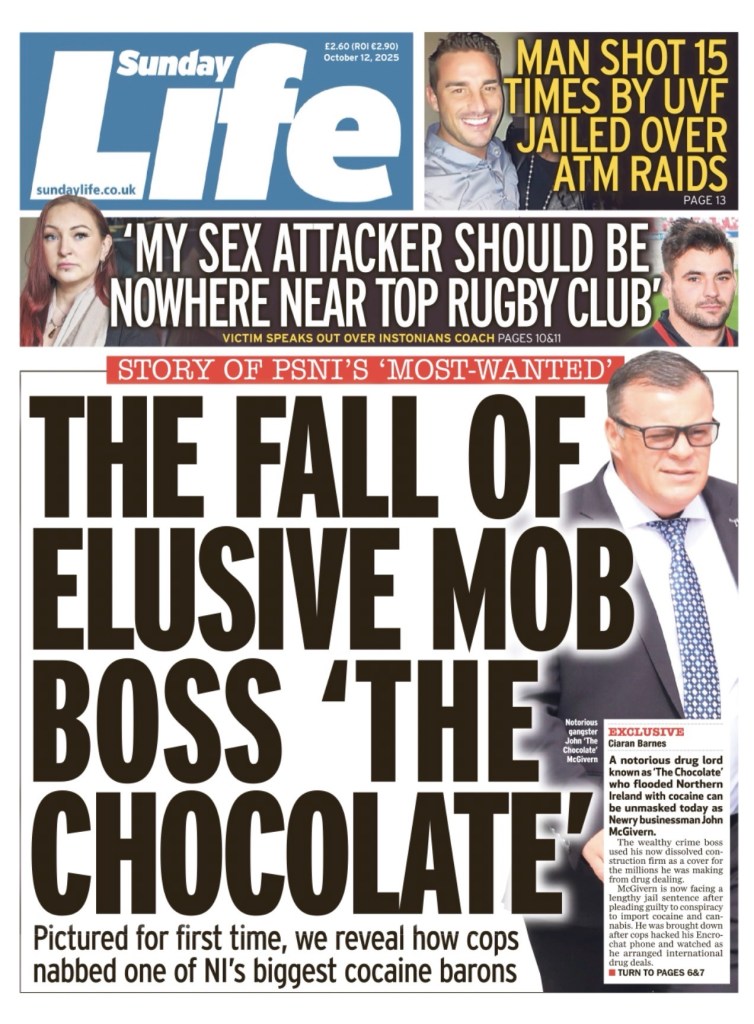
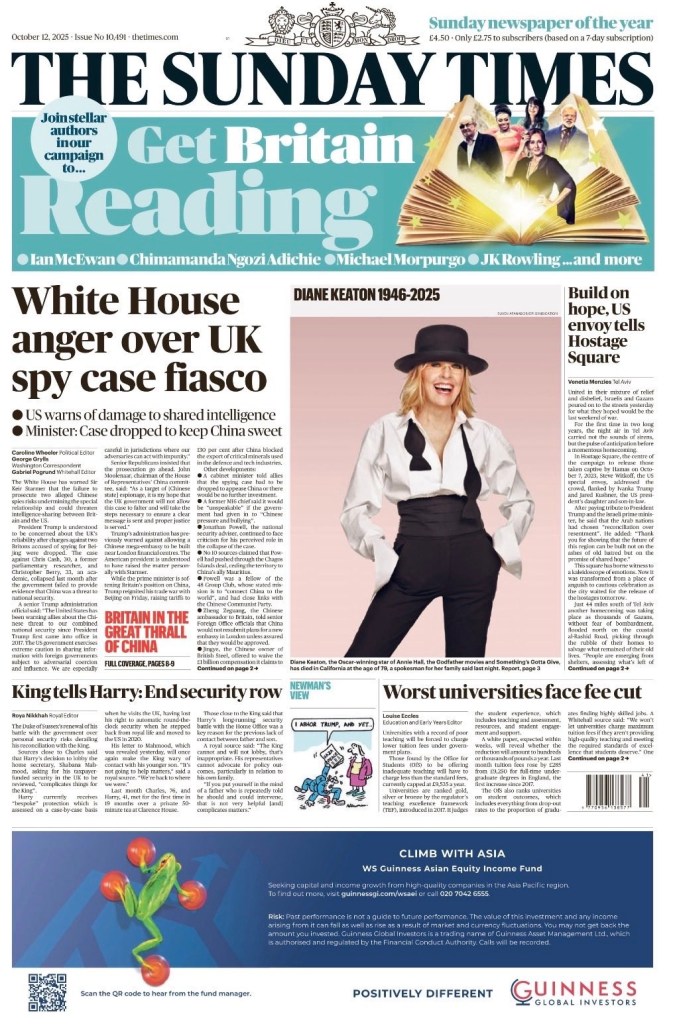
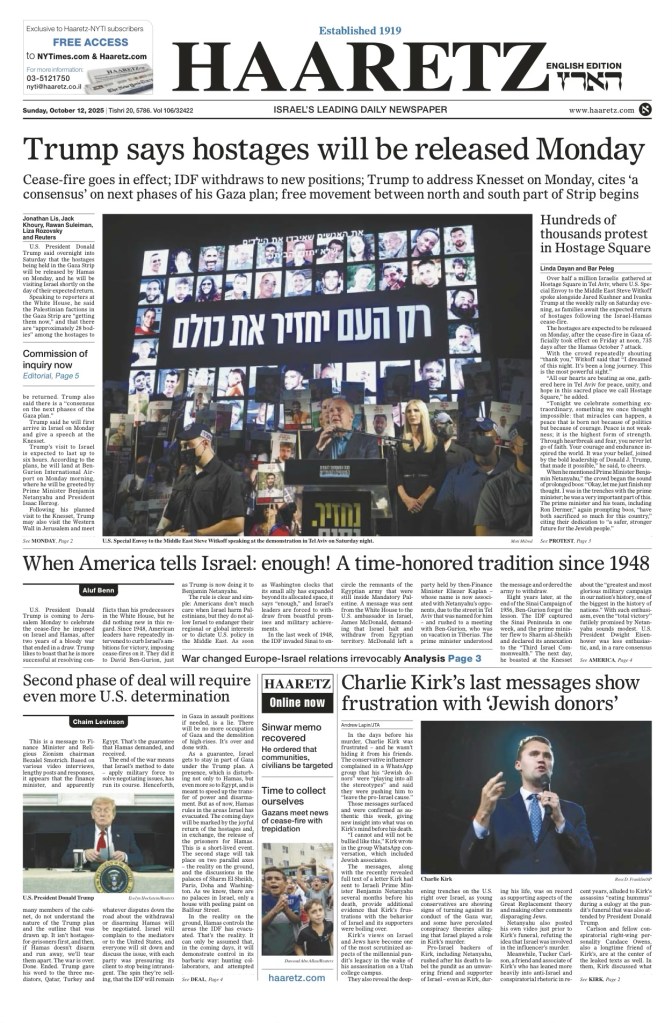
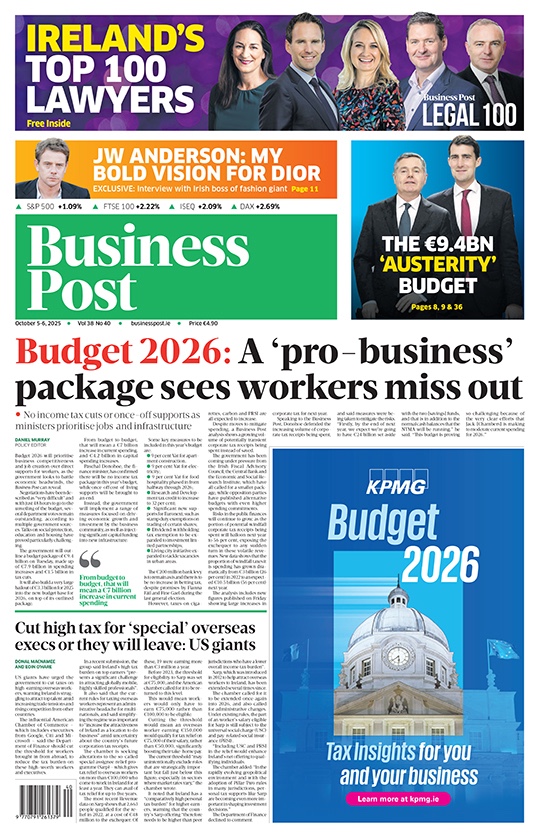
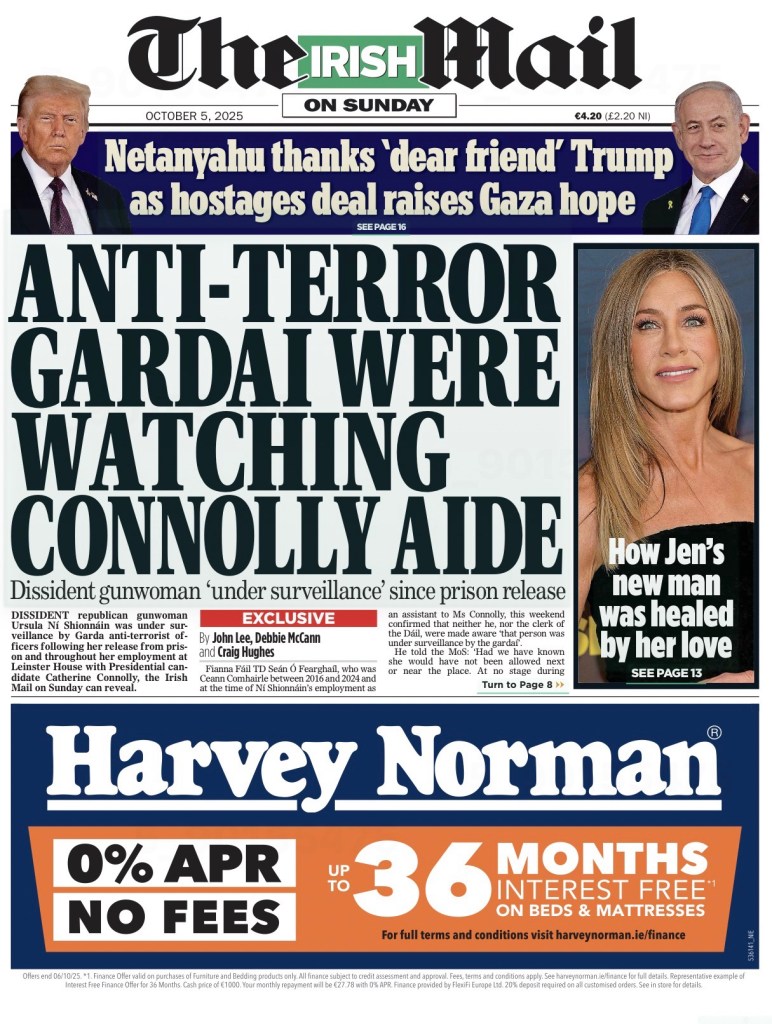
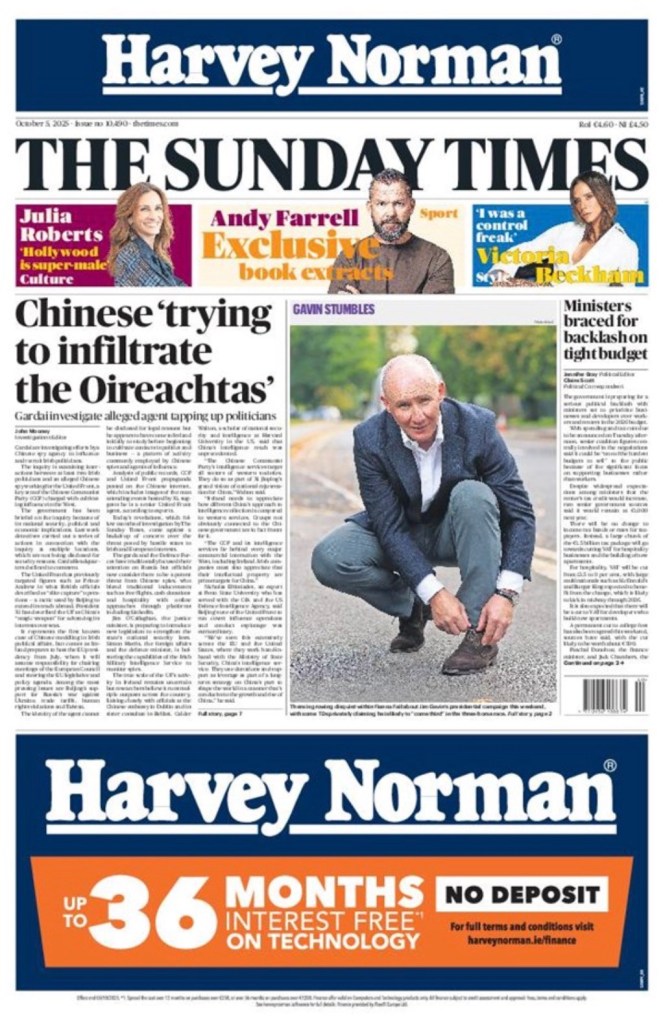
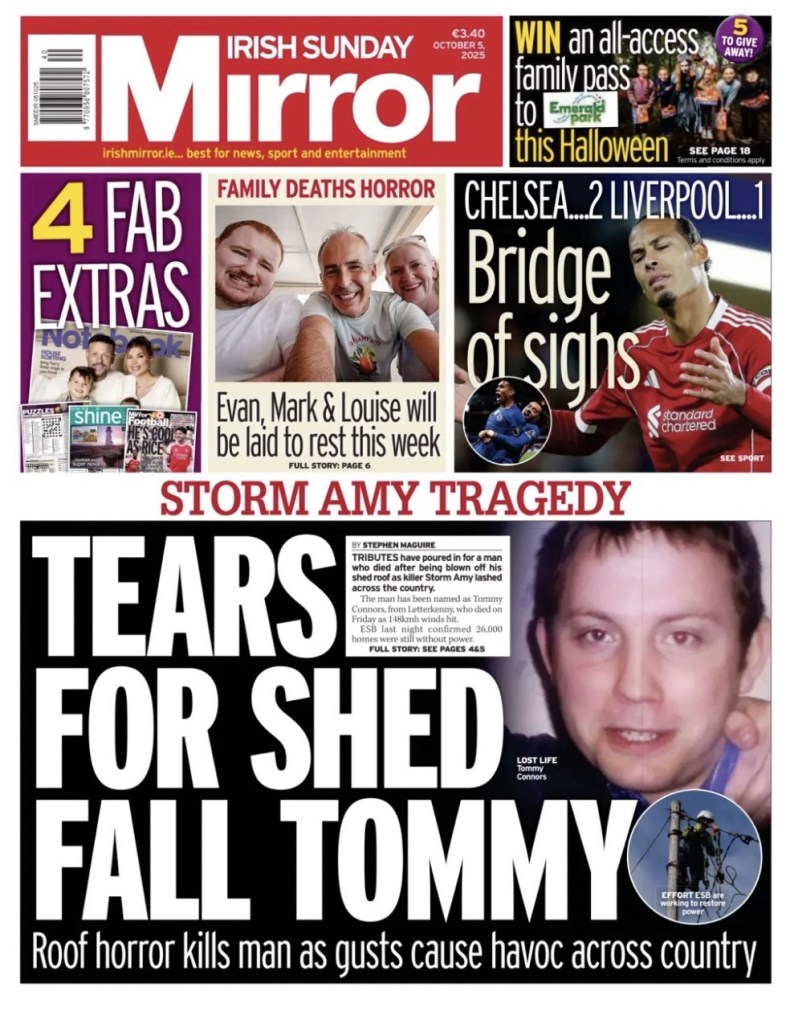
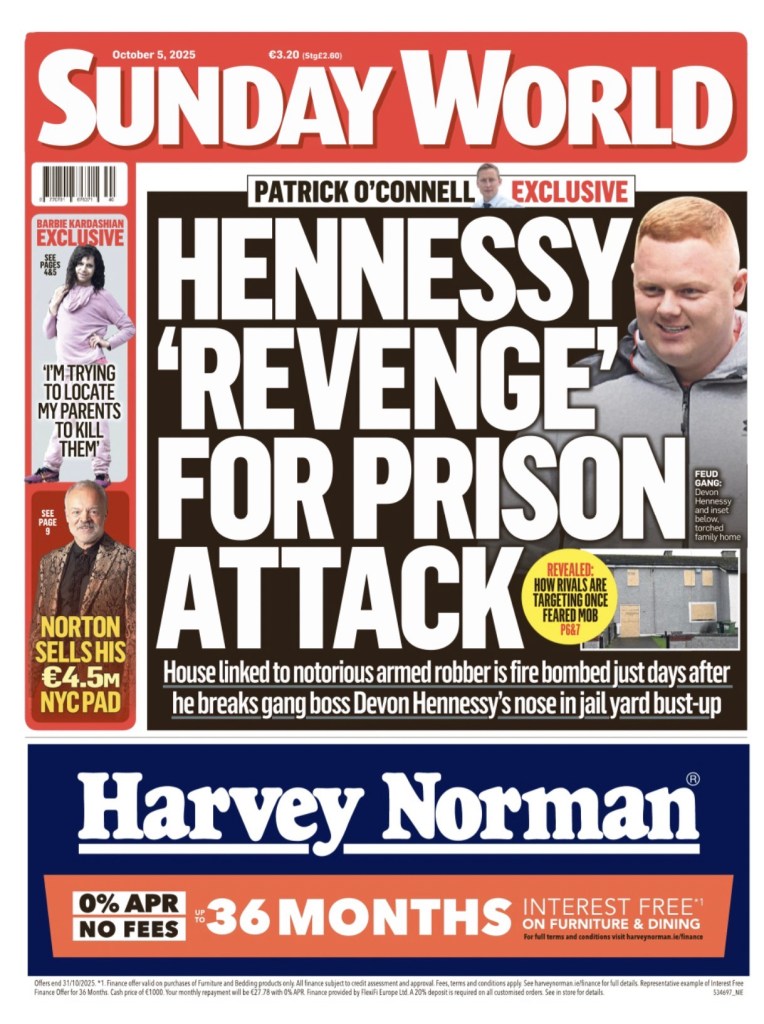
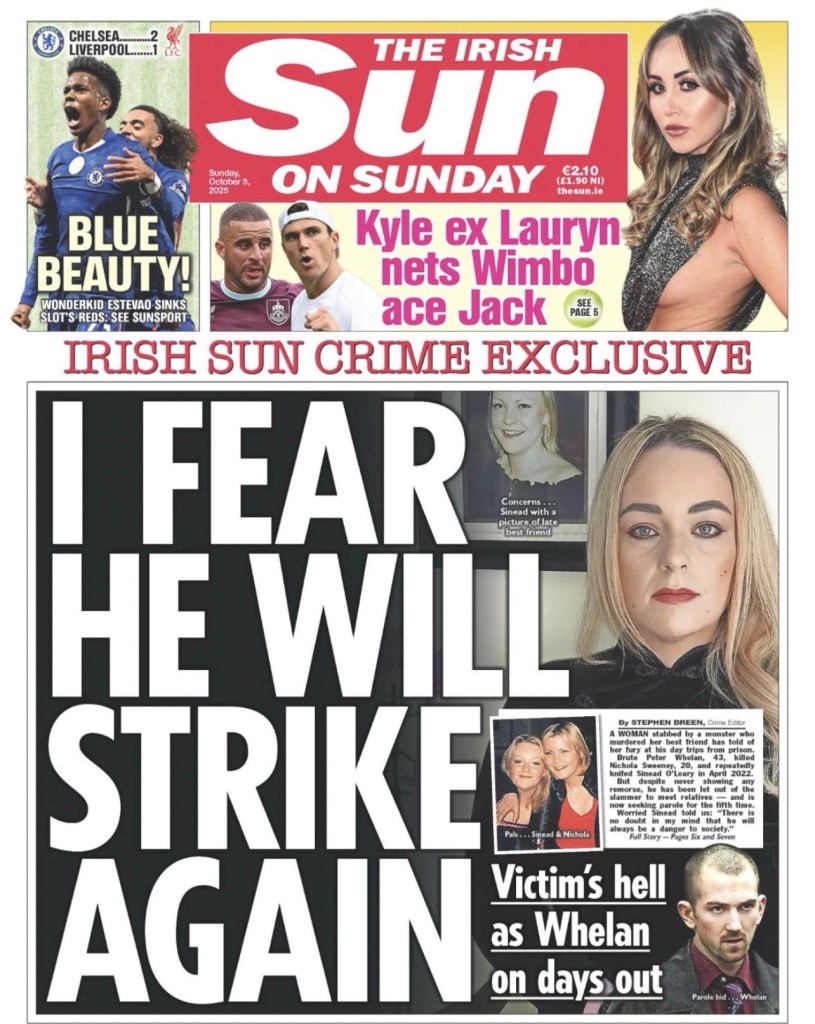
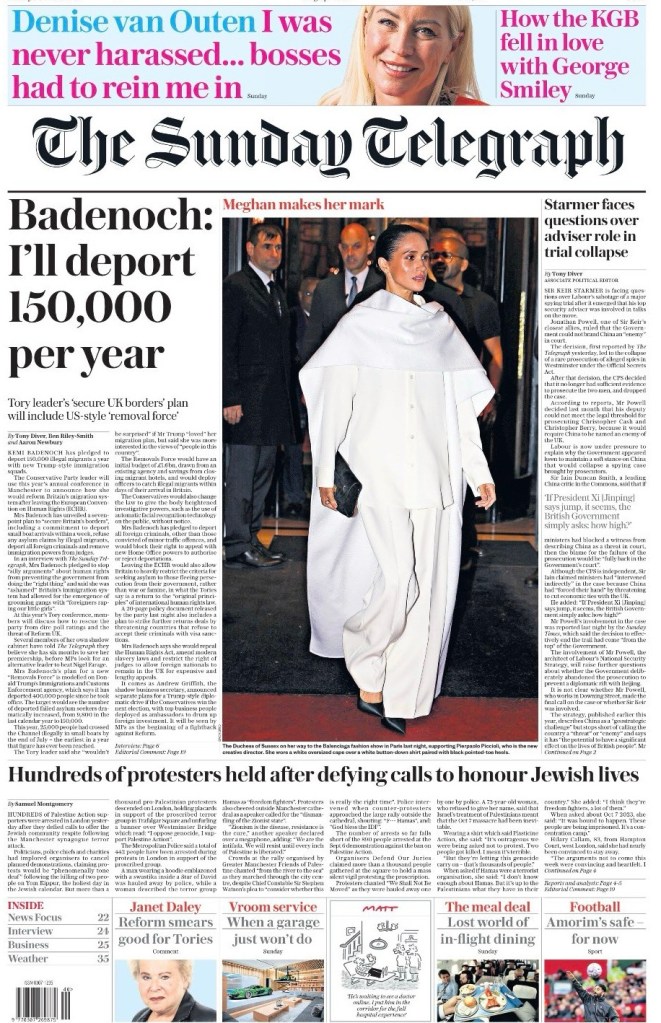
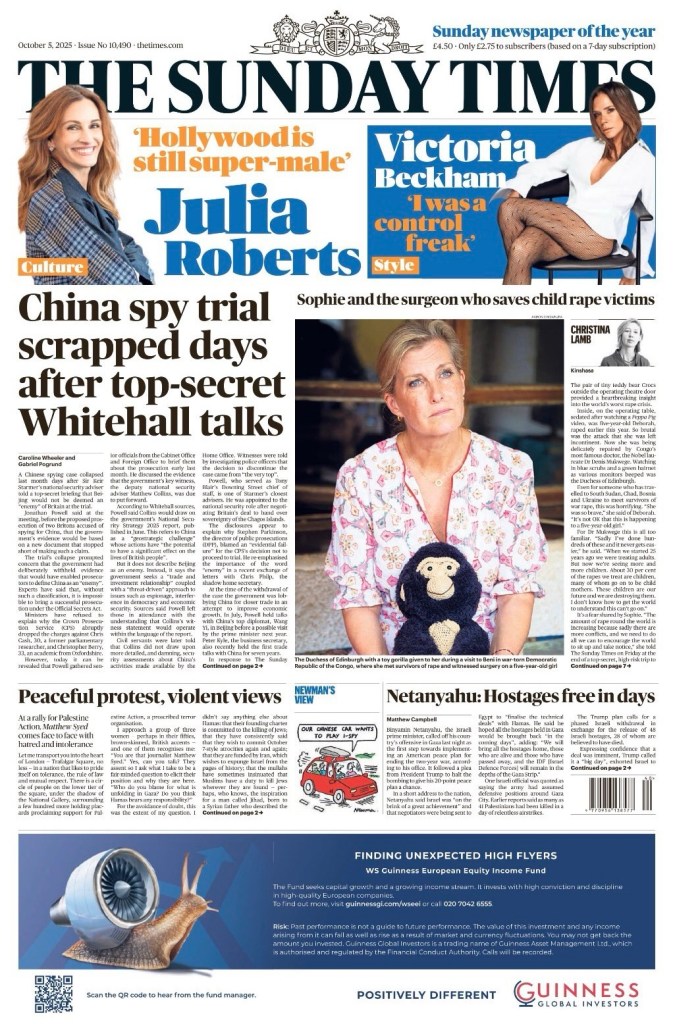
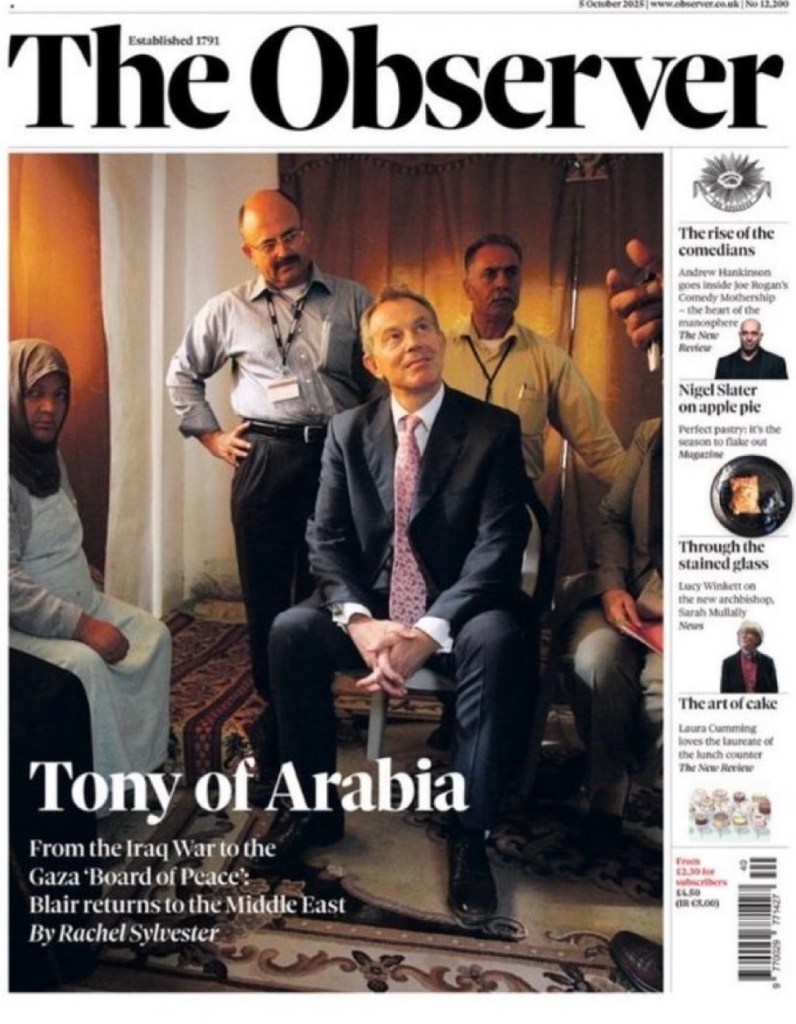
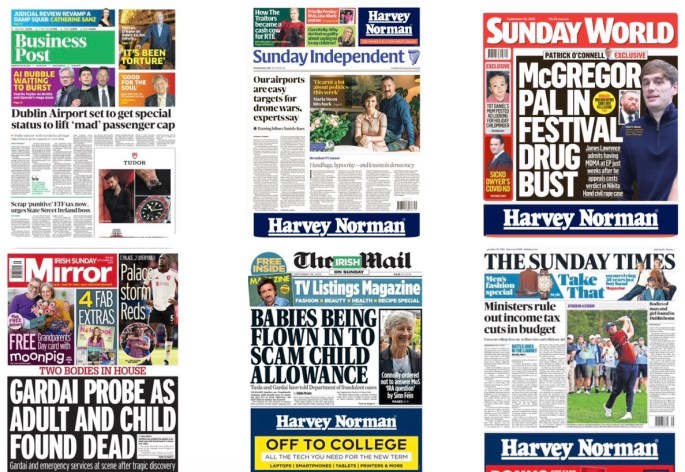
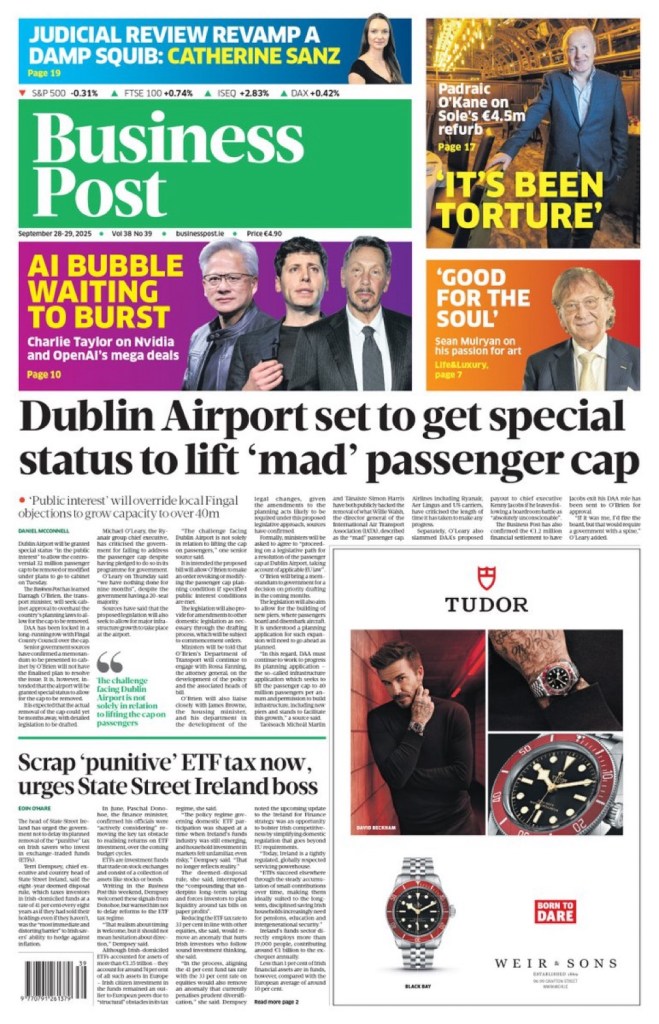
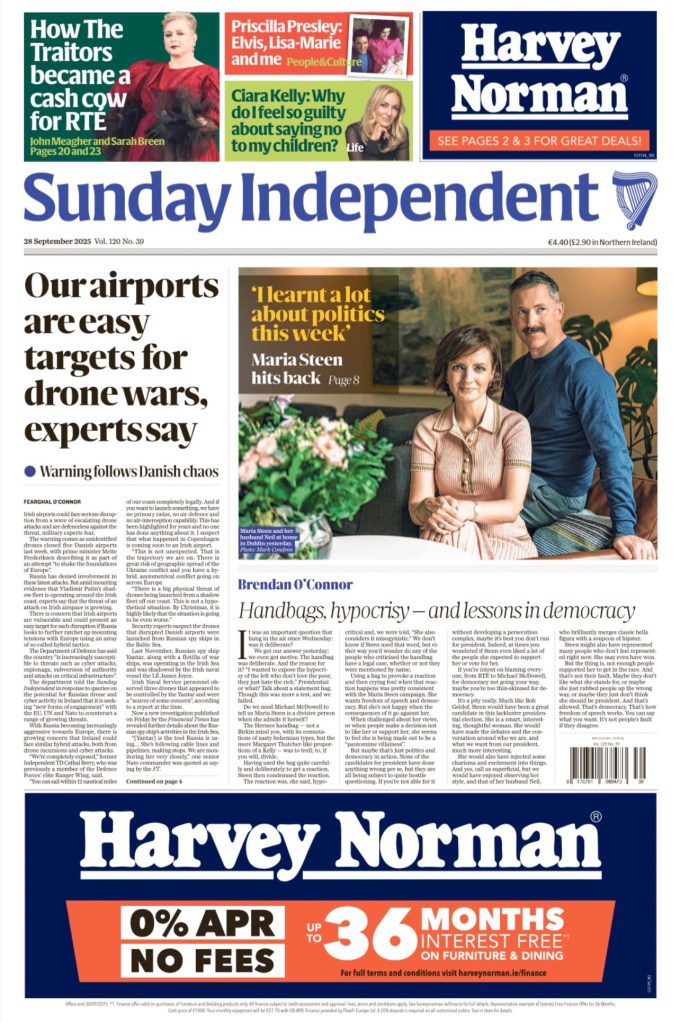
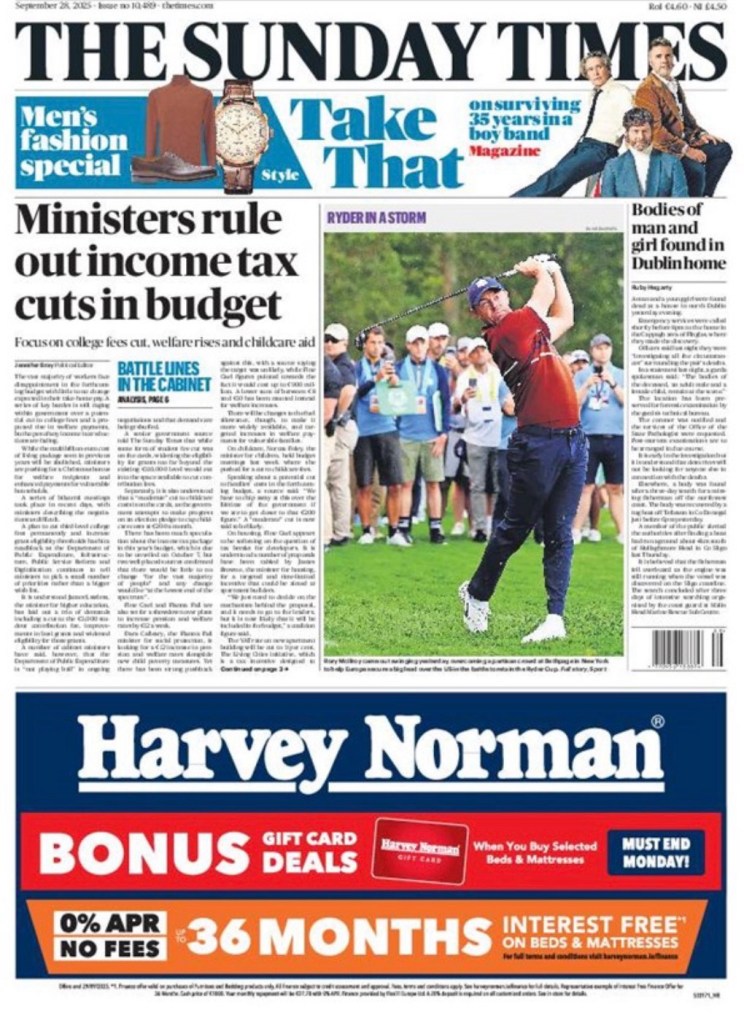
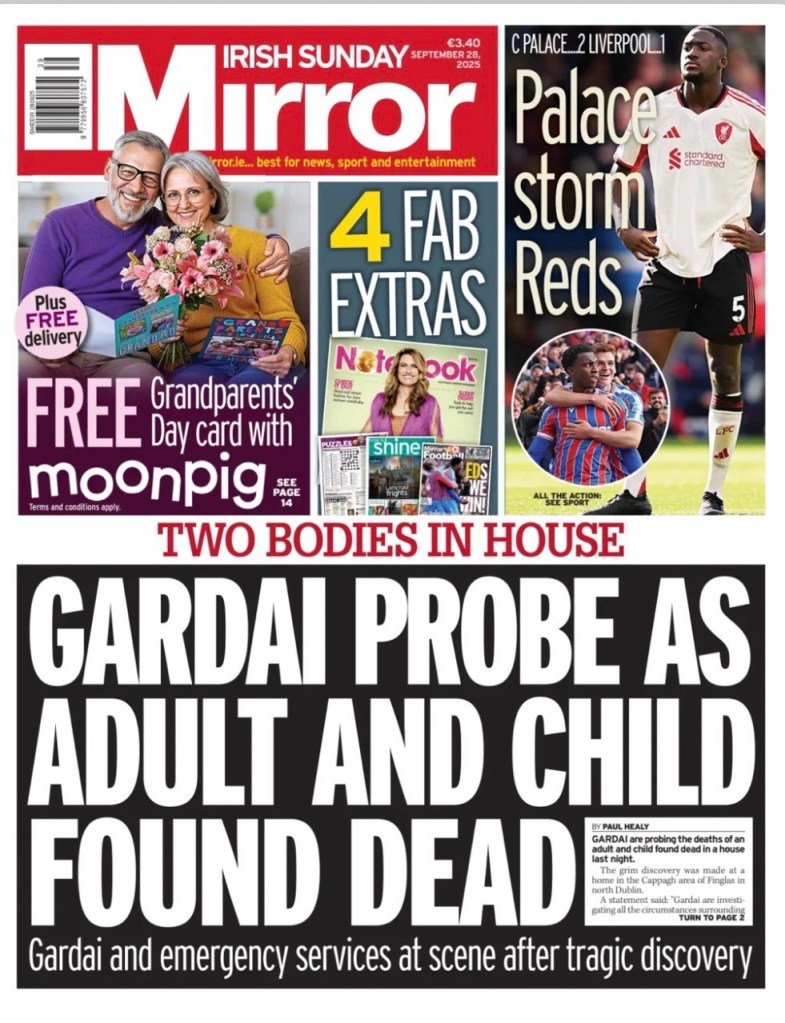
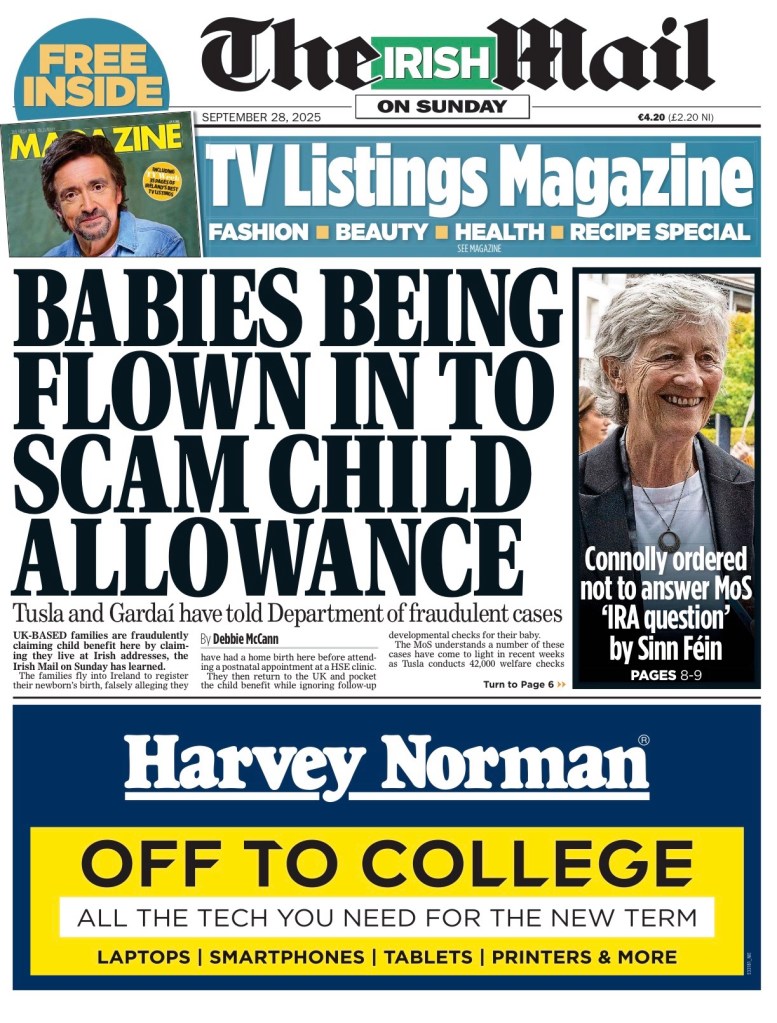
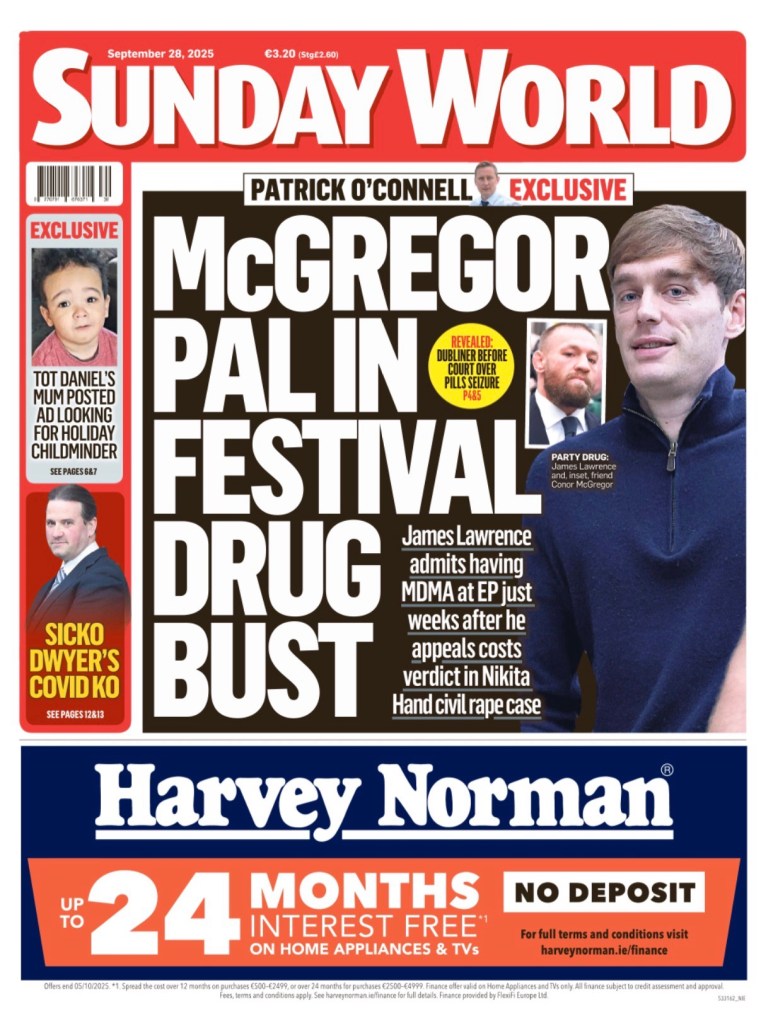
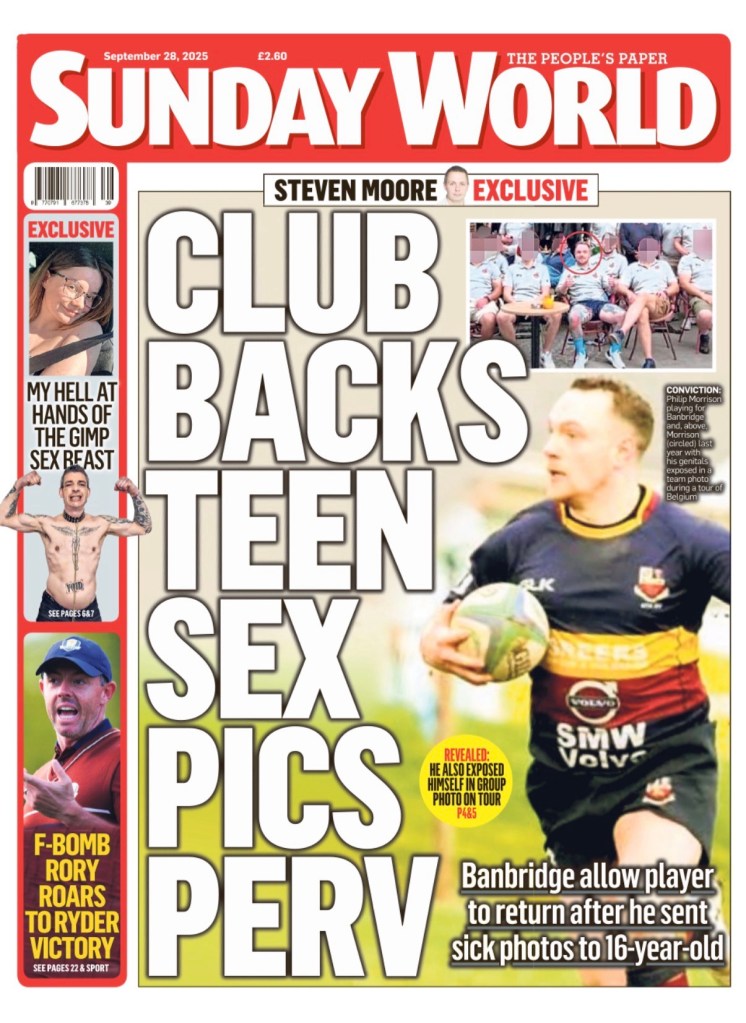
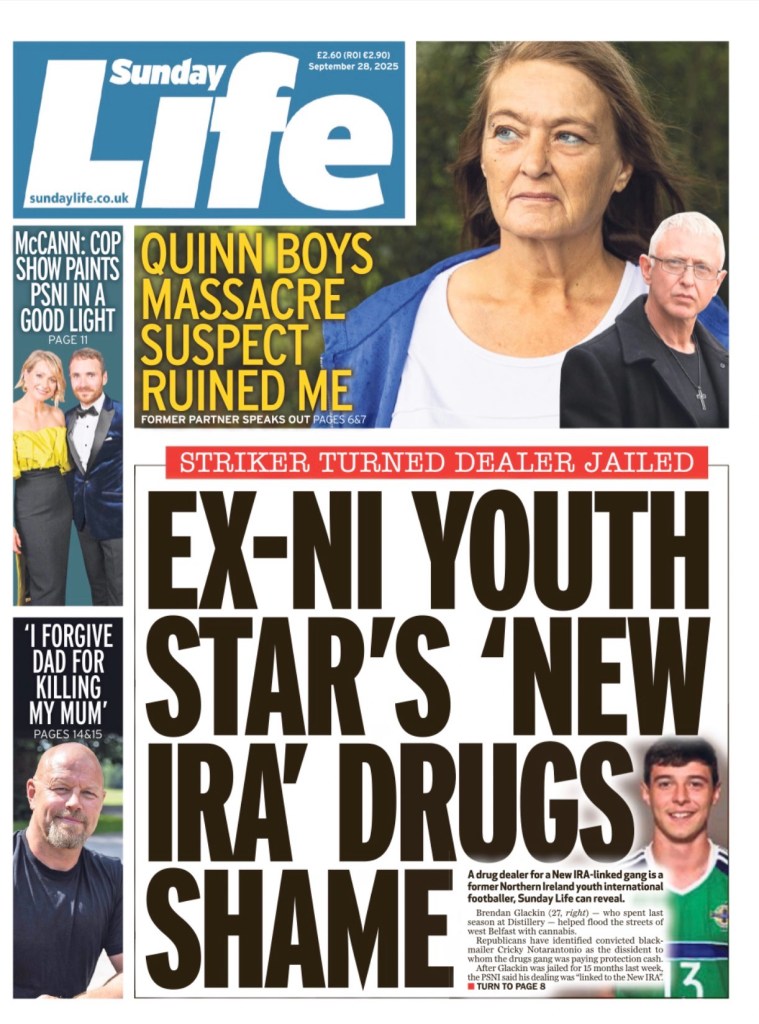
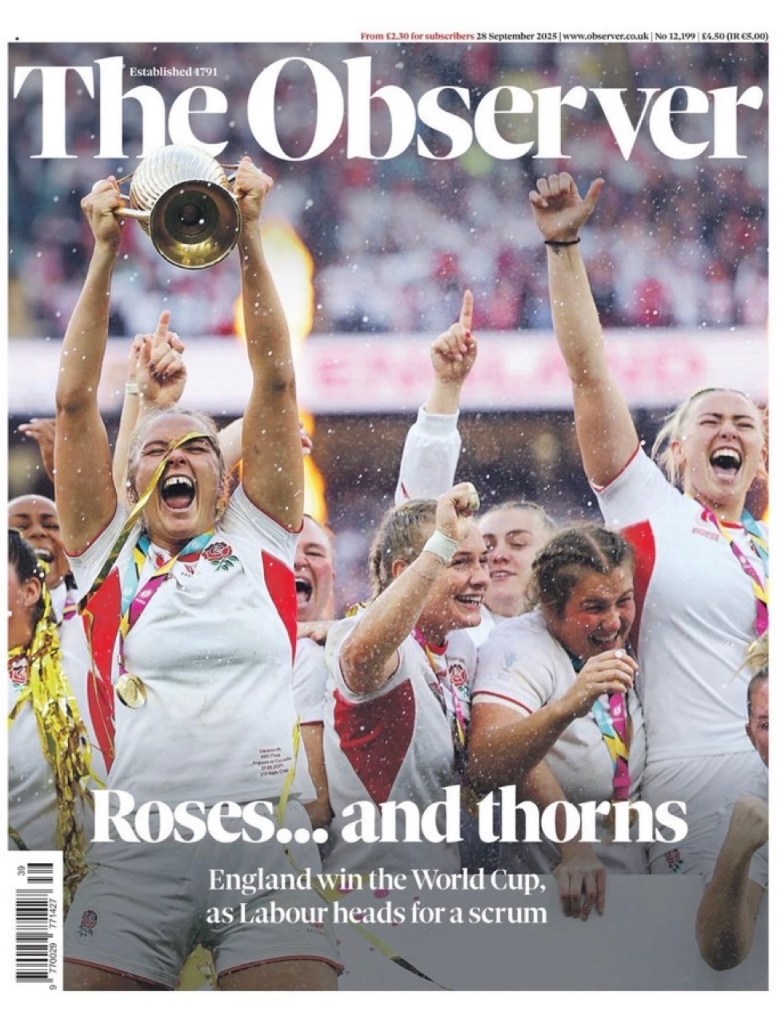
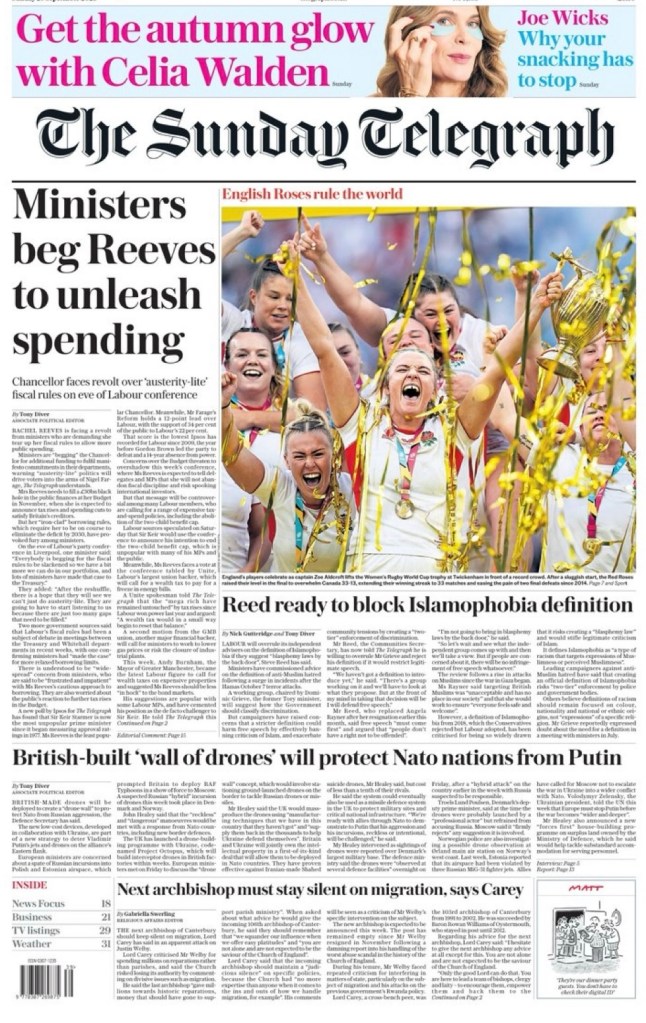
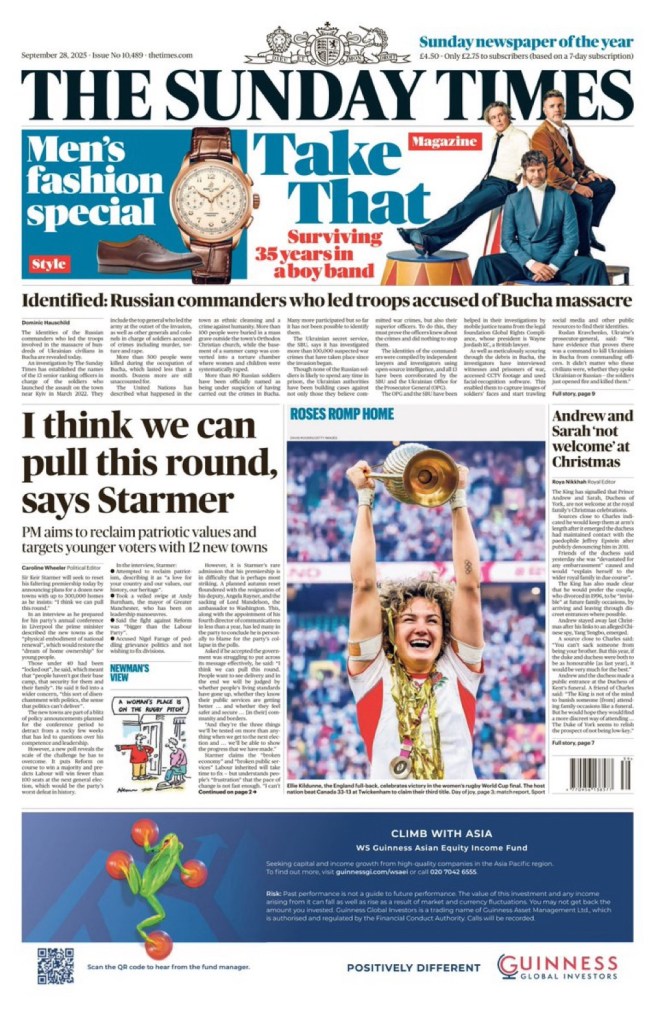
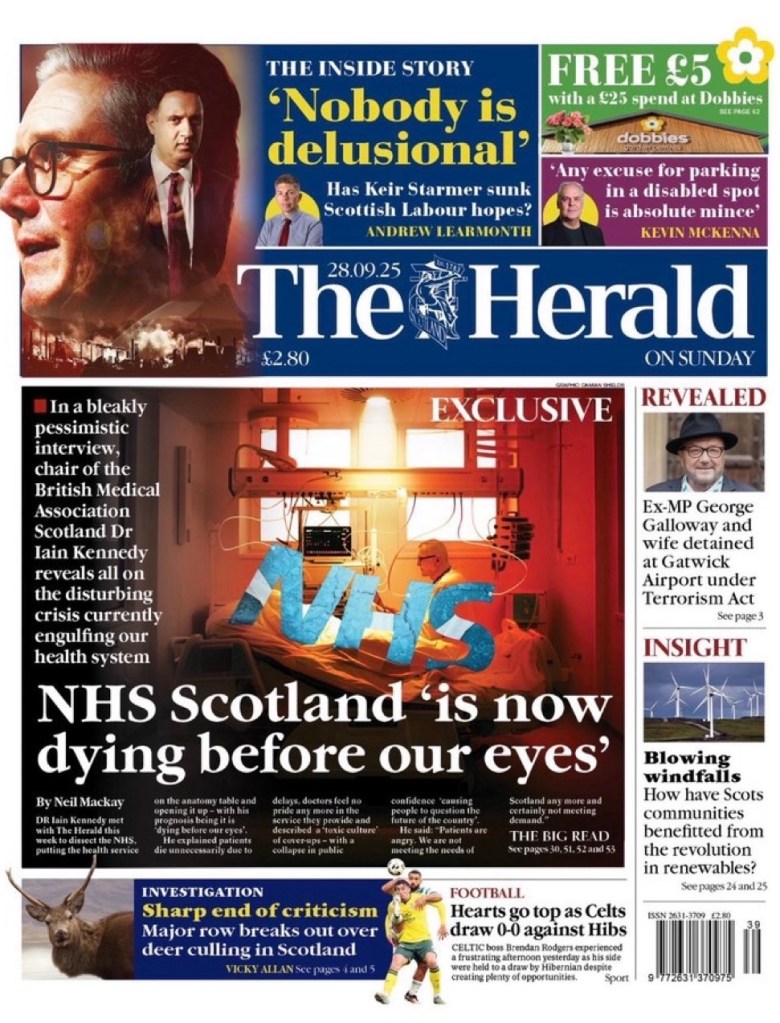
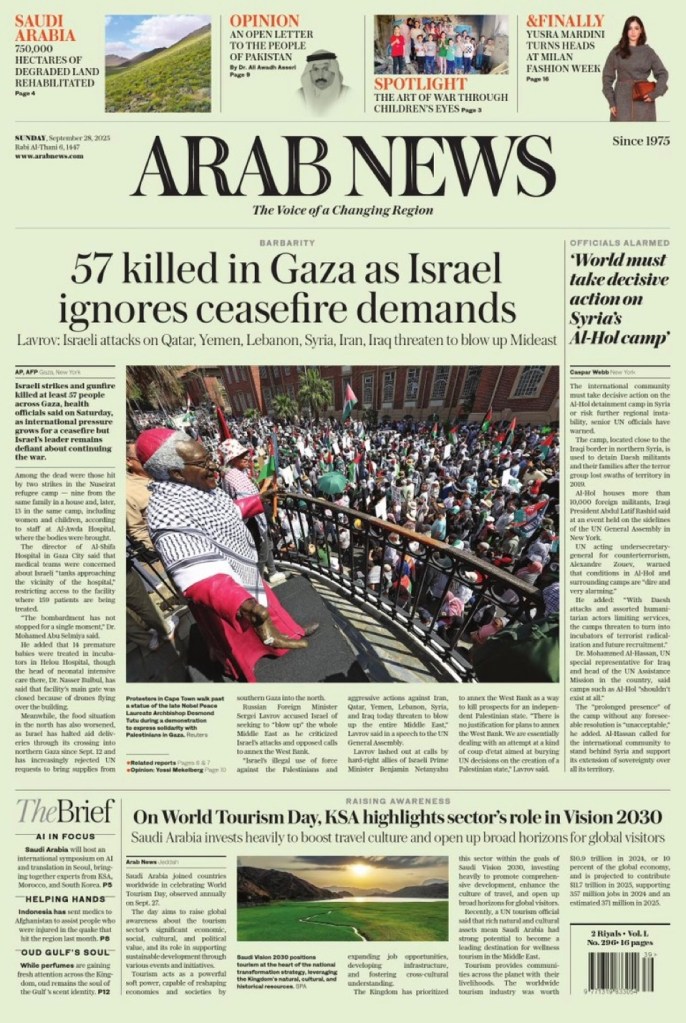
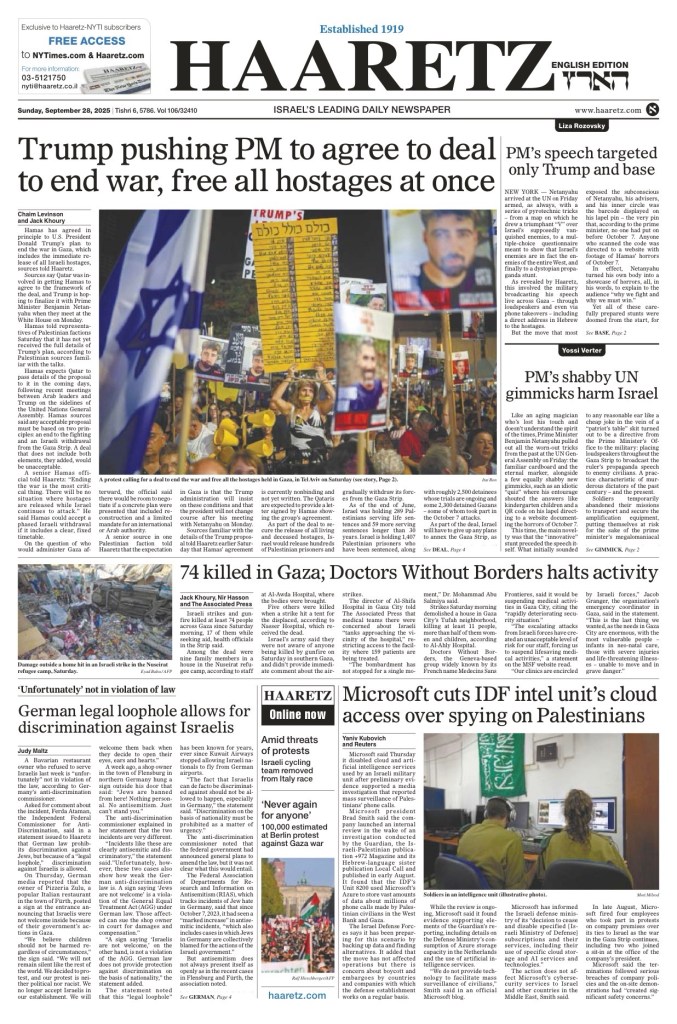
Irish Sunday newspaper #frontpages for August 31 [Updated]

Irish Sunday newspaper #frontpages for August 24 [Updated]

Irish Sunday newspaper #frontpages – for Aug 17 [Updated]

Irish Sunday newspaper #frontpages for August 10th – [Updated]

Irish Sunday newspaper #frontpages – for August 3rd [Updated]

Irish Sunday newspaper #frontpages for July 27th [Updated]

Irish Sunday newspaper #frontpages for July 20th [Updated]

My Summer 2025 political reading list (the 9th one?)

Introduction:

If my maths is correct… and that is a major “if”… this is my ninth annual summer political reading list.
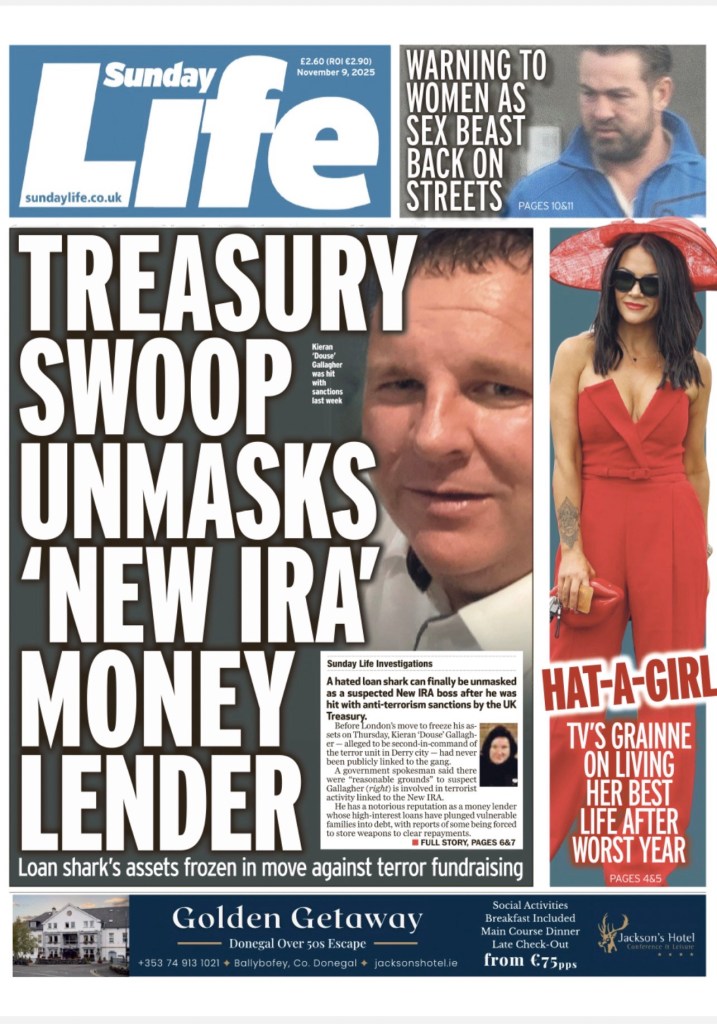
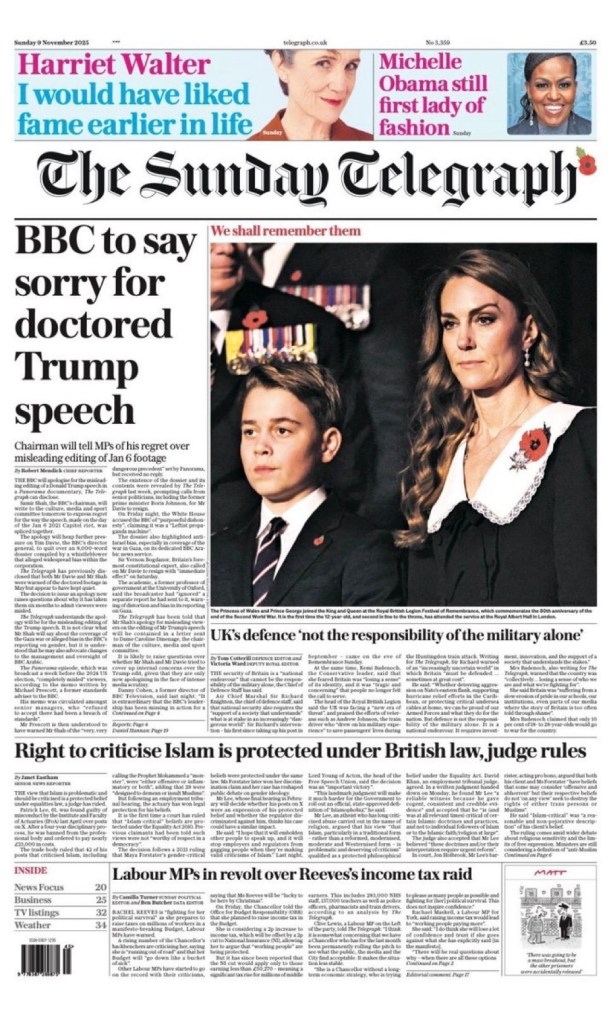
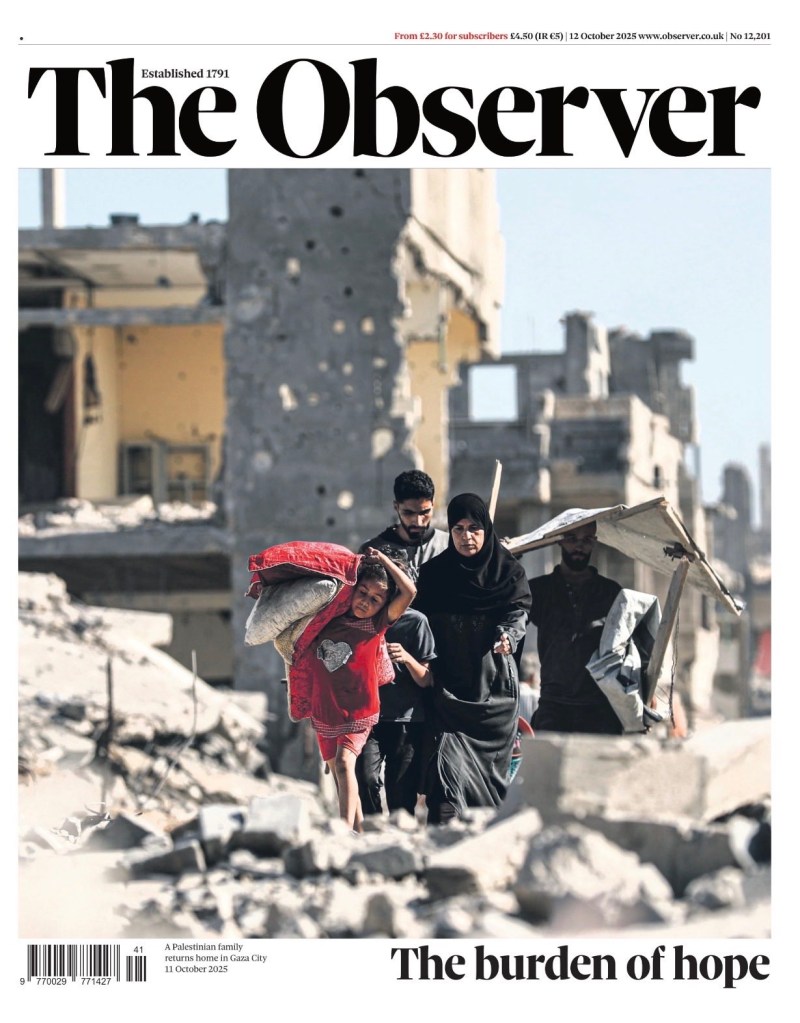
As the name suggests, the books on the list have a political theme or connection. The books in this year’s selection are all non-fiction and are a reflection of my prejudices and opinions. I have tried, as in previous years, to include books that help challenge my own views… so some books on this year’s list will accord with my personal political perspective… some don’t. 
There are far fewer biographies and histories this year, compared with previous years (just one of each), and more polemics on international and global issues. By their nature political books are not “light reads”, but I have tried to avoid overly academic tomes. The one criteria I have tried to stick with is finding books that are well-written and accessible. With one clear exception… most have been written and published over the past 6 – 12 months, which means they are mostly hard backs.

There is A #MooneyOnPolitics #podcast to accompany this list: On Spotify

Enjoy. Feel free to leave your thoughts and feedback below. Continue reading “My Summer 2025 political reading list (the 9th one?)”

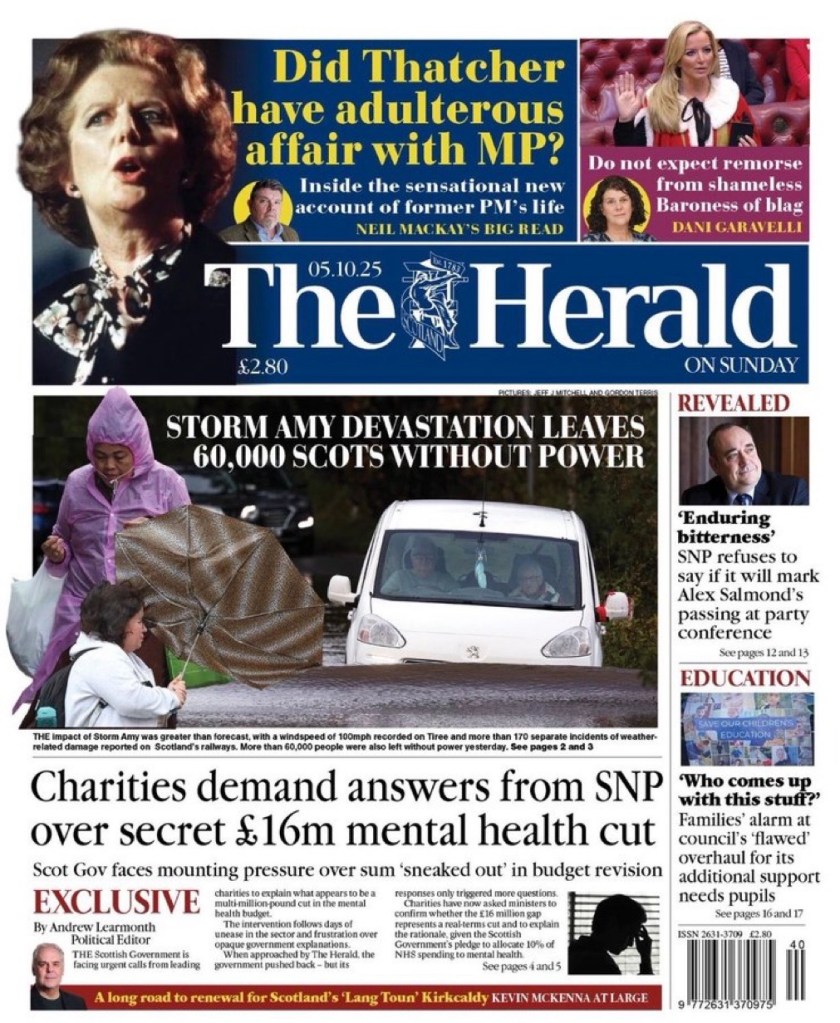
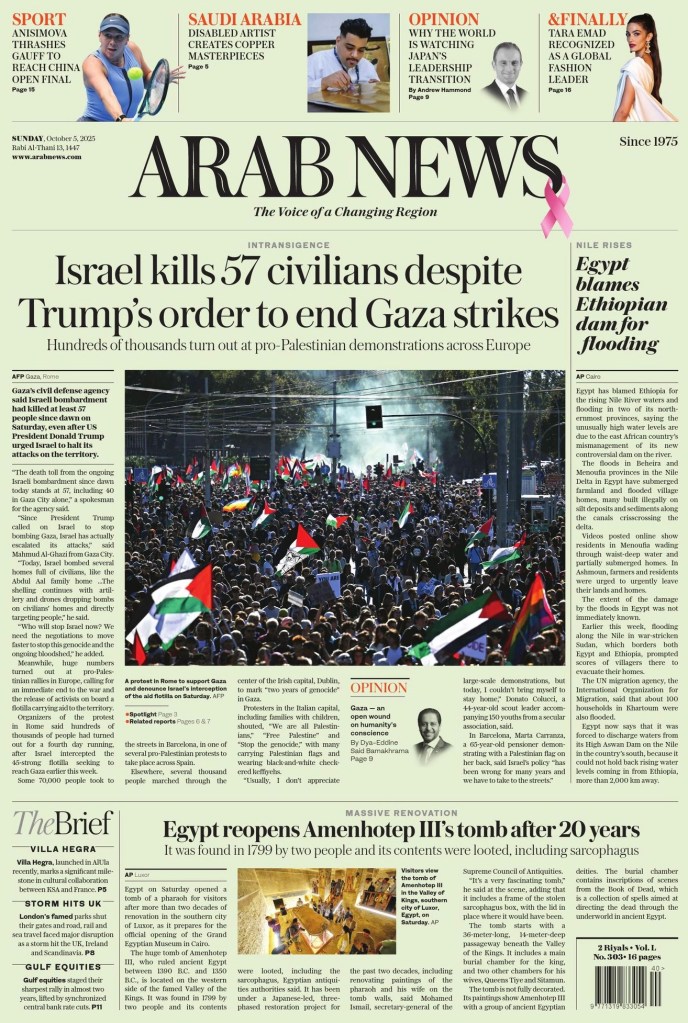
Irish Sunday newspaper #frontpages… for July 13 [Updated]

Check out my latest #MooneyOnPolitics #podcast… on #aras2025 and college fees row

Here are the key messages from the “Mooney on Politics – A cigar is just a cigar” podcast episode:
  • Presidential Election Uncertainty: The outcome of the upcoming Irish presidential election is highly uncertain. Only Fine Gael, Fianna Fáil, and Sinn Féin have the resources and parliamentary numbers to nominate a candidate directly, but none have a clear or confident strategy in place.
  • Fine Gael’s Strategic Risks: Fine Gael appears set on nominating Mairead McGuinness, but delaying the announcement until September is seen as a strategic mistake. This delay could allow fringe candidates to dominate the narrative and create momentum outside the main parties.
  • Fianna Fáil’s Identity Crisis: There is strong internal pressure within Fianna Fáil to run a candidate, but party leadership seems reluctant, possibly preferring to back an independent. This reluctance is criticized as a lack of political nerve and clarity about the party’s purpose.
  • Sinn Féin’s Dilemma: Sinn Féin wants to contest the presidency but fears the impact of another electoral setback after recent disappointments. The party is considering a “left unity” candidate with other progressive parties, but this carries its own risks and complications.
  • Micheál Martin Not Running: The notion that Taoiseach Micheál Martin might run for president is dismissed outright. When he says he’s not interested, he means it—there’s no hidden agenda, echoing the phrase “sometimes a cigar is just a cigar.”
  • Potential for a Centre or Centre-Left Candidate: There is speculation that a dynamic, younger candidate from the centre or centre-left (possibly backed by Labour, Social Democrats, Greens, or independents) could capture the public mood and win, especially as government satisfaction is declining.
  • Generational Change: There is perceived public appetite for a younger, more media-savvy president who better reflects modern Ireland, though age alone is not decisive.
  • Government Incoherence and College Fees Row: The recent controversy over third-level college fees exposes deep incoherence within the government, particularly between Simon Harris and other ministers. Public disagreements and policy freelancing are seen as symptomatic of a government losing cohesion and direction.
  • Risk of Government Collapse: The government’s internal dysfunction and lack of unified decision-making could lead to its collapse before the end of its term, especially if backbenchers lose confidence in their prospects.
  • Impact of External Factors: Issues such as potential US trade tariffs and economic pressures are looming, adding to the sense of instability and the need for sustainable fiscal planning.
  • Presidential Election as a Political Barometer: The upcoming presidential campaign is likely to be more consequential than previous ones, potentially reshaping the political landscape and exposing the strengths and weaknesses of the main parties.
  • Call for Engagement: The episode ends with an invitation for listeners to suggest political books for a forthcoming summer reading list podcast.

These points capture the podcast’s analysis of party strategies, leadership dilemmas, government instability, and the broader political context as Ireland approaches a pivotal presidential election