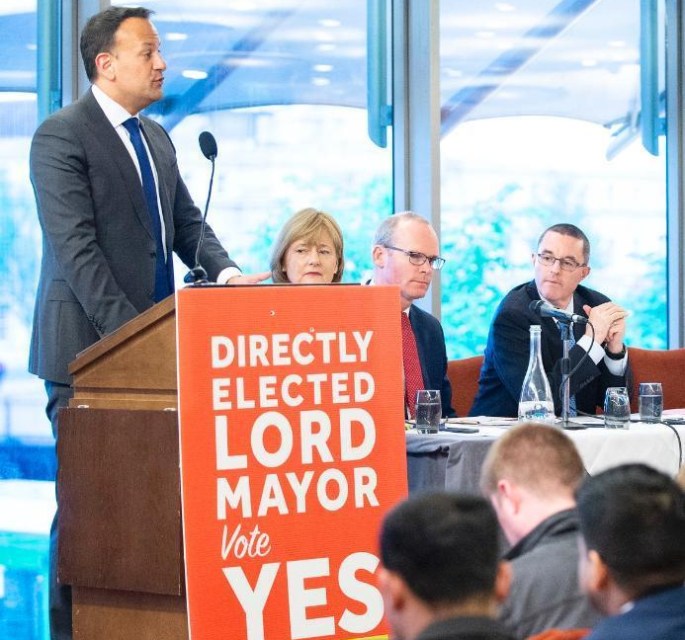
This column appeared on Broadsheet.ie on May 21st, just a few days before Limerick, Waterford and Cork cities voted on having directly elected mayors. Only Limerick voted in favour.
On Thursday voters in Northern Ireland go to the polls to elect three members of the European Parliament. Given the dominance of Sinn Féin and the DUP the focus will be on the contest for the last seat between the SDLP’s Colum Eastwood and Alliance’s Naomi Long. While a win for either will be a win for progressive politics, many at the top of Sinn Féin are hoping Long makes it, though their voters may not agree.
On Friday, voters down here will find themselves confronted by three ballot papers when they get to the polling station.
Not only do we get to choose Ireland’s 13 MEPs (two of whom will sit on the reserve bench until Brexit is resolved) we also get to elect 949 City and County Councillors from the almost 2,000 candidates on offer across the State.
And, as if all that responsibility was not heady enough, most voters (i.e. Irish citizens) will also get a third ballot paper, asking them to approve or reject two specific changes to the constitutional provisions on divorce.
But wait, there’s more.
Some very lucky voters will get a fourth ballot paper. These are the voters residing in Limerick, Cork and Waterford, who are eligible to vote in the local elections. They will get to vote in local plebiscites on whether those cities should have directly elected mayors from 2022.
 The news last night that one of the two Fine Gael T.D.s for Louth will henceforth be the Independent T.D. for Louth will gladden the hearts of very few in Fine Gael, not even the Dundalk Cllr selected only a few nights ago to replace him.
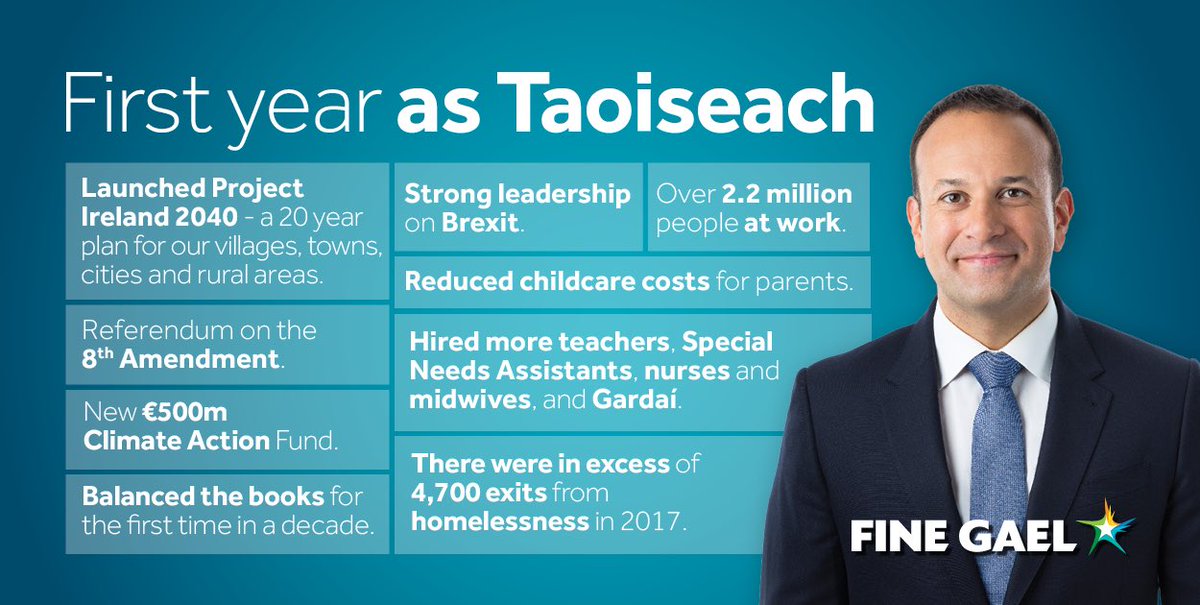
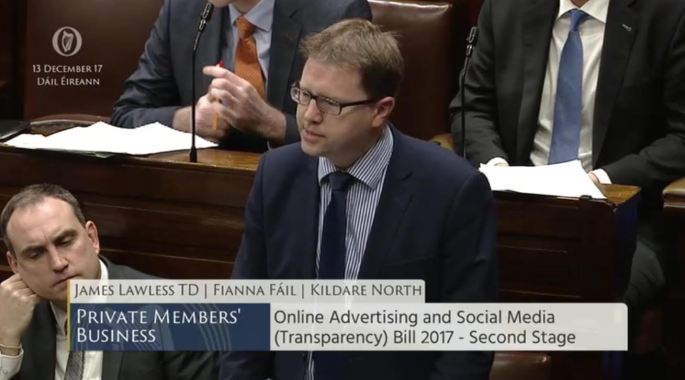
 As part of the hoopla to mark Leo Varadkar’s first year as Taoiseach, Fine Gael produced a nifty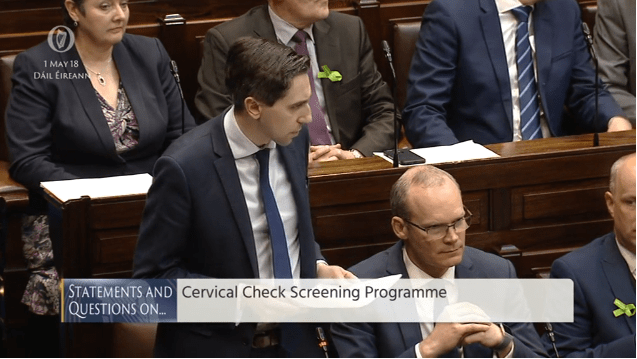
 Though I did a bit of leaflet dropping for Fianna Fáil in the 1977 general election, the first election campaign in which I really canvassed was the 1979 European and Local elections.
 derekmooney.ie