
My take on the various Brexit votes in the House of Commons this week. This appeared on Broadsheet earlier today (March 13, 2019)
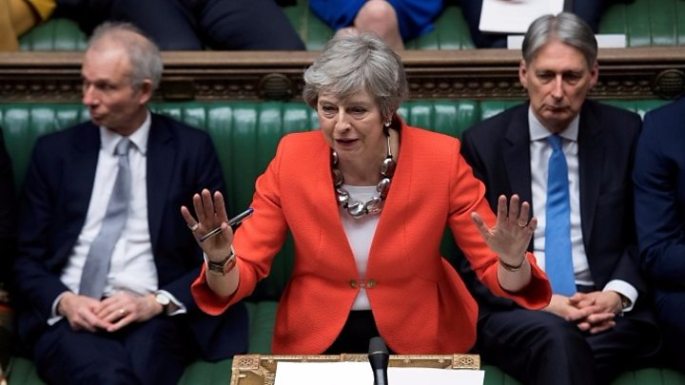
Over the past few weeks we have seen a parade of British pro-Brexit talking-heads confidently telling us that the EU/UK Brexit negotiations “will go down to the wire” and that Brussels will do, what they claim it always does, and make a deal at the very last minute.
David Davis was at it before he became Brexit Secretary and has continued at it since quitting the job. Ian Paisley Jr MP was at it on Newsnight last night, asserting that the EU “…are the kings of the last-minute fudge.”
How I wish that trite political phrases such as “going down to the wire” could be expunged from every politician’s lexicon.
It is an empty, meaningless phrase. It is on a par with someone watching you looking for your lost keys or credit cards and declaring: “it’ll be in the last place you look”. D’uh, yeah. It obviously will be in the last place you look… you are hardly going to keep looking after you find it, are you?
So it is with negotiations. They end when they end. It is hardly surprising that most negotiations go right on to the deadline you set. It is called a deadline for a reason, both sides knew it was the time framework they work within it.
There is even less depth to the phrase when it comes out of the mouths of Brexiteers because it only confirms that they haven’t (i.) realised that Brexit is not a negotiation and (ii.) bothered to find out how Article 50 works.
 Though this be hard for some folks to accept, I do plan these columns. My usual routine is to type up a few paragraphs late on Monday night and then finish off the column over coffee and toast on Tuesday morning.
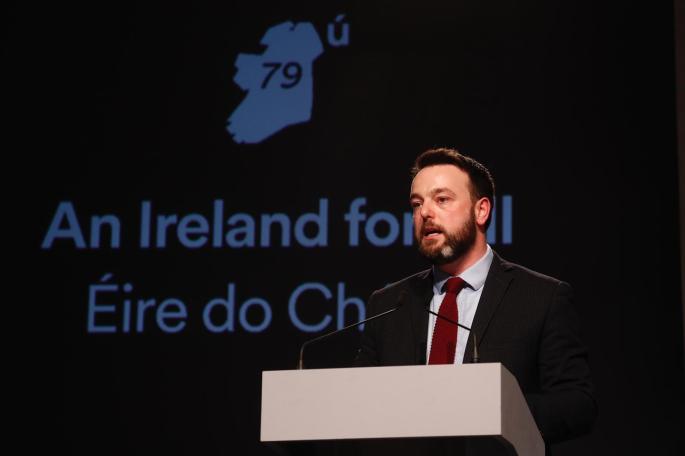 There was a time when Sinn Féin was the master of targeting. It used to know to aim its attacks and not to waste its time or resources.

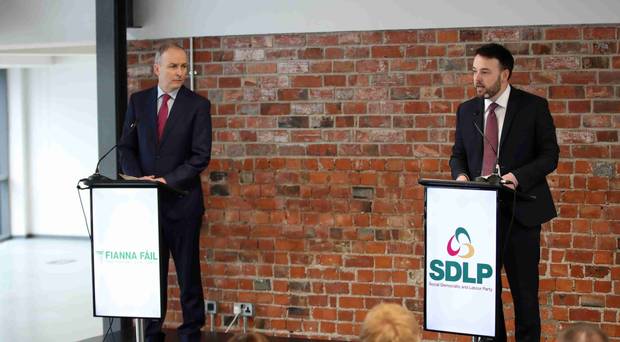 In the aftermath of the disastrous June 2016 Brexit referendum result, a result we should remember went 56:44 in favour of Remain in Northern Ireland, I started talking here about the need for the political system on this island, most particularly in Northern Ireland, to start catching up with the changing political landscape.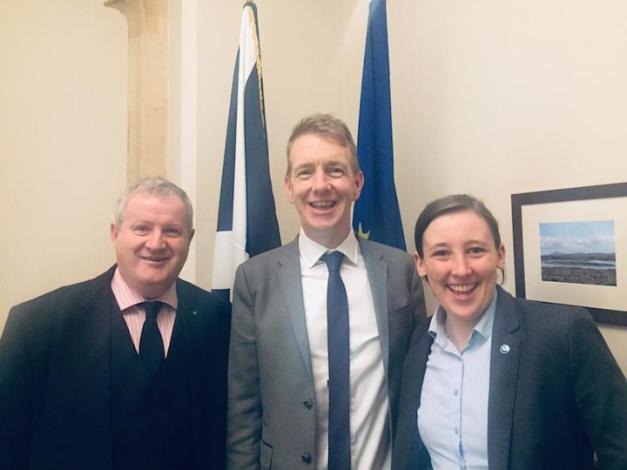
 derekmooney.ie